
Anyone planning a day at Party Cove eventually asks the same practical question. Is the water actually clean enough to swim in. With hundreds of boats packed into one relatively small area during peak season, understanding the real water conditions and cleanliness inside Party Cove LOTO matters far more than most first time visitors realize. This guide gives you an honest look at what affects water quality in this famous cove and what you can do to stay safe while still enjoying the experience.
This guide walks through the factors that influence water cleanliness at Party Cove, what official water quality monitoring actually shows, and practical steps every boater can take to reduce their own exposure to potential contamination. Whether you are planning your first trip on a Lake Ozark yacht rental or you visit every summer, understanding these conditions helps you make informed decisions for your group.
What Actually Affects Water Quality in Party Cove
Water quality inside Party Cove is shaped by a combination of factors that are unique to this specific location compared to quieter areas of Lake of the Ozarks. The sheer density of boats anchored and rafted together throughout peak hours means significantly more fuel, oil, and general boat exhaust entering the water in one concentrated area compared to a typical anchor spot elsewhere on the lake. Older boat engines in particular can leak small amounts of oil and fuel over the course of a long day, and with hundreds of vessels present at once, these small individual contributions add up across the cove throughout a busy weekend.
Human activity also plays a significant role in water conditions. With thousands of swimmers entering the water throughout a single day, along with the general activities that come with a party atmosphere, the cove experiences a level of human contact with the water that far exceeds most other sections of the lake. Sunscreen washing off swimmers, general debris from food and drinks, and the sheer volume of people moving through the same relatively confined space all contribute to water conditions that differ noticeably from a quiet, undisturbed cove elsewhere on Lake of the Ozarks.
Official Water Quality Monitoring and What It Shows
Lake of the Ozarks water quality is monitored periodically through programs connected to the Missouri Department of Natural Resources, along with independent testing efforts from local organizations concerned with lake health. These testing programs typically check for indicators like E coli bacteria levels, which serve as a general marker for the presence of contamination from human or animal waste in the water. Results across different testing periods and locations on the lake have shown variation, with some areas occasionally exceeding recommended safety thresholds during specific conditions, particularly following heavy rainfall that increases runoff into the lake system.
It is worth understanding that water quality testing on a lake this large typically focuses on broader sections rather than providing constant, location specific data for a spot as small and variable as Party Cove itself. This means boaters should treat general lake water quality reports as a useful baseline rather than a guarantee about the specific conditions on any given day in the cove. Checking recent water quality advisories before your visit, particularly after periods of heavy rain, gives you the most relevant information available even though it will not capture the exact real time conditions inside a crowded party environment on a specific afternoon.
Why Crowding Makes a Real Difference
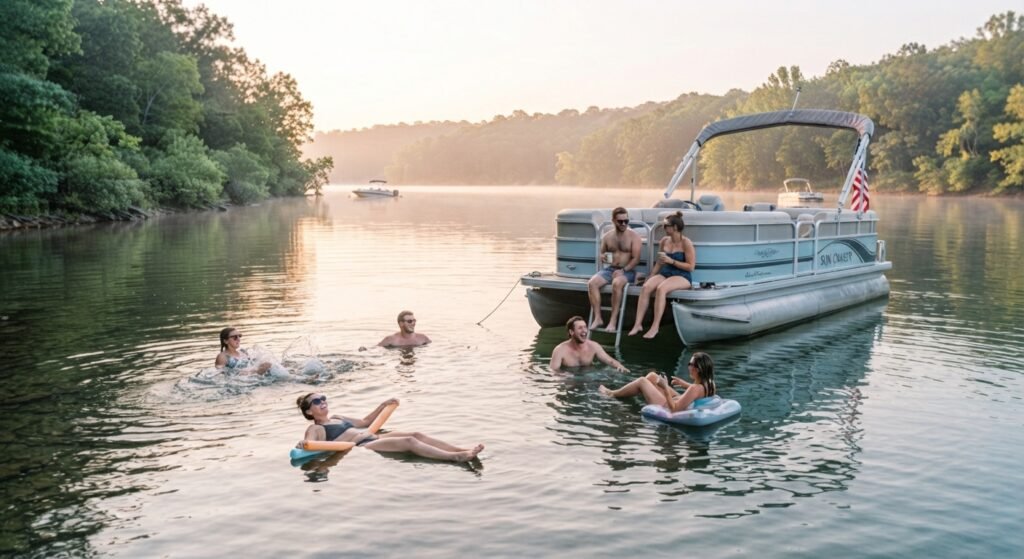
The connection between crowd size and water cleanliness becomes obvious once you consider the scale of activity happening in Party Cove during peak hours. On a quiet day with only a handful of boats anchored in the cove, any minor contamination from fuel or human activity disperses relatively quickly into the broader lake system. During a packed holiday weekend with hundreds of boats and thousands of swimmers concentrated in the same confined space, that natural dispersal process simply cannot keep pace with the volume of activity happening throughout the day.
This is one of the practical reasons why many experienced boaters choose to swim earlier in the day rather than during the absolute peak crowd hours. Water that has had all morning to naturally circulate and dilute any minor contamination generally offers better conditions than the same water after several hours of concentrated boat and swimmer activity throughout a busy afternoon. Understanding this pattern helps explain why the same cove can feel noticeably different depending on what time you choose to enter the water, even on the exact same day.
Practical Steps to Reduce Your Exposure
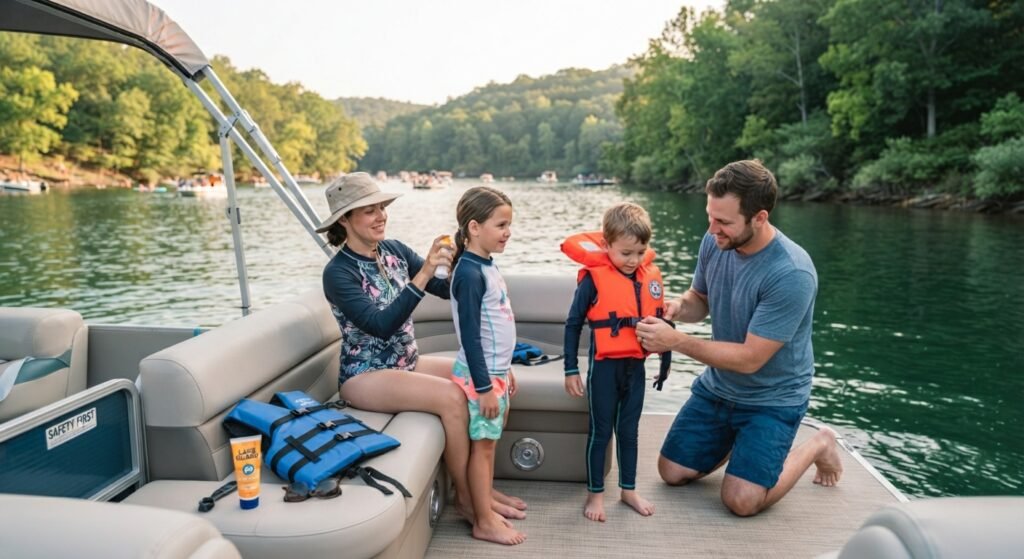
While you cannot control the overall water conditions in Party Cove, there are practical steps every boater can take to reduce their personal exposure to potential contamination. Avoiding swallowing lake water is one of the simplest and most effective precautions, since most water quality concerns center around ingestion rather than simple skin contact during normal swimming activity. Keeping cuts, scrapes, or open wounds covered before entering the water also reduces the risk of any bacteria present making contact with broken skin.
Showering or rinsing off after a day of swimming in Party Cove is a smart habit that many regular visitors follow without necessarily thinking about the specific water quality science behind it. This simple step removes any residual contact with lake water, sunscreen buildup, or general debris from your skin after an extended day in a crowded swimming environment. For families with young children specifically, being more cautious about supervising water play and limiting how much lake water children might accidentally swallow adds an extra layer of protection given that children can sometimes be more susceptible to certain waterborne illnesses.
Timing Your Visit for Better Water Conditions
Choosing when to visit Party Cove genuinely affects the water conditions you will encounter during your trip. Morning hours, before the bulk of the daily crowd has arrived and before hours of concentrated boat activity have accumulated, typically offer noticeably cleaner water compared to the same location later in the afternoon. Boaters specifically concerned about water cleanliness might consider arriving earlier in the day and enjoying their swimming activities before the cove reaches its peak crowd density.
Weekday visits also tend to offer better overall water conditions compared to weekends, simply due to the significantly lower number of boats and swimmers present throughout the day. If water cleanliness is a genuine priority for your group, choosing a weekday trip during a period without recent heavy rainfall represents one of the most effective ways to improve the conditions you will actually experience once you arrive at the cove.
When to Reconsider Swimming Entirely
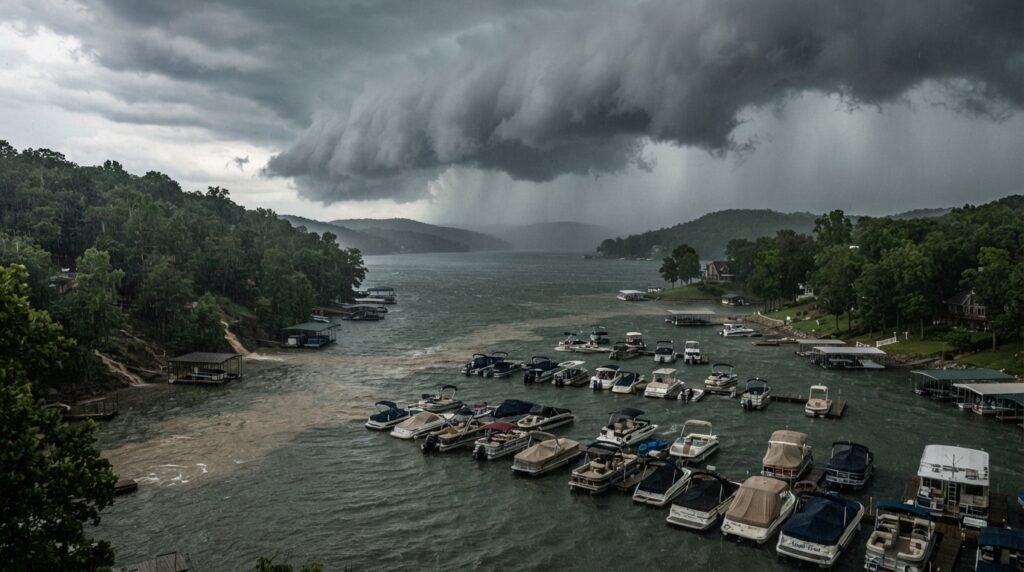
Certain conditions should prompt any boater to reconsider swimming in Party Cove regardless of how appealing the overall atmosphere might be on that particular day. Following significant rainfall, runoff from surrounding land carries additional bacteria, debris, and pollutants into the lake system, temporarily degrading water quality across many sections including Party Cove. Waiting at least twenty four to forty eight hours after a significant rain event before swimming gives the lake system time to naturally process some of this additional contamination.
Visible signs of poor water quality should also never be ignored, regardless of how much fun the surrounding atmosphere appears to be. Unusual odors, visible discoloration, or an unusually high concentration of floating debris are all signals that water conditions on that particular day may not be ideal for swimming. Trusting these visible cues, even when everyone else in the cove appears to be swimming without concern, remains a smart and genuinely protective habit for you and your group.
Frequently Asked Questions
Is the water in Party Cove safe to swim in?
Water conditions in Party Cove vary depending on crowd size, recent weather, and time of day. While many people swim there without issue, the concentration of boats and swimmers during peak hours can temporarily affect cleanliness. Checking recent water quality advisories and swimming earlier in the day rather than during peak crowd hours are both reasonable precautions worth taking.
Does the Missouri Department of Natural Resources test Party Cove specifically?
Water quality testing on Lake of the Ozarks generally covers broader sections of the lake rather than providing location specific, real time data for a small area like Party Cove. General lake advisories are useful as a baseline, but they will not capture the exact conditions inside a crowded party environment on any given afternoon.
Does rain affect water quality in Party Cove?
Yes, heavy rainfall increases runoff into the lake system, temporarily raising bacteria levels and general contamination across many areas including Party Cove. Waiting at least twenty four to forty eight hours after significant rain before swimming allows the lake some time to naturally process this additional runoff before conditions improve.
Is morning or afternoon better for swimming in Party Cove?
Morning hours generally offer cleaner water conditions since fewer boats and swimmers have been active in the cove compared to later in the day. As the afternoon peak crowd builds and concentrated activity accumulates, water conditions tend to be less favorable compared to earlier in the day before the bulk of visitors have arrived.
Can boat fuel and oil affect water cleanliness in Party Cove?
Yes, with hundreds of boats anchored closely together, small amounts of fuel and oil leakage from individual vessels can accumulate across the cove throughout a busy day. This concentrated boat density is one of the specific factors that differentiates Party Cove water conditions from quieter, less trafficked areas of Lake of the Ozarks.
Should children swim in Party Cove?
Families should exercise extra caution with young children in Party Cove given the crowded conditions and potential water quality concerns. Limiting how much lake water children might accidentally swallow and supervising water play closely are reasonable precautions, though many families choose quieter alternative coves elsewhere on the lake instead.
What signs indicate the water might not be safe to swim in on a given day?
Unusual odors, visible discoloration, or an unusually high concentration of floating debris are all signals worth taking seriously regardless of how busy or fun the surrounding atmosphere appears. Trusting these visible cues, even when other swimmers seem unconcerned, is a smart and protective habit for your group.
Does swimming earlier in the season offer better water conditions than late summer?
Water conditions can vary throughout the season based on rainfall patterns, water temperature, and overall lake activity levels. Late summer sometimes sees warmer water that can support different bacteria growth compared to earlier months, though crowd density during peak July and August weekends often has a more noticeable impact than seasonal timing alone.
Final Thought
Water conditions inside Party Cove are shaped by a combination of crowd density, boat activity, weather patterns, and general human use throughout the busiest hours of the day. While many visitors swim there every season without any issue, understanding the factors that affect cleanliness helps you make smarter decisions about when to swim and how to protect yourself and your group.
Choosing earlier hours, avoiding swimming after heavy rain, and paying attention to visible warning signs are all practical steps that genuinely reduce your exposure to potential contamination. With a bit of awareness, you can still enjoy everything Party Cove has to offer on your Lake of the Ozarks yacht rental trip while making informed choices about the water itself.