
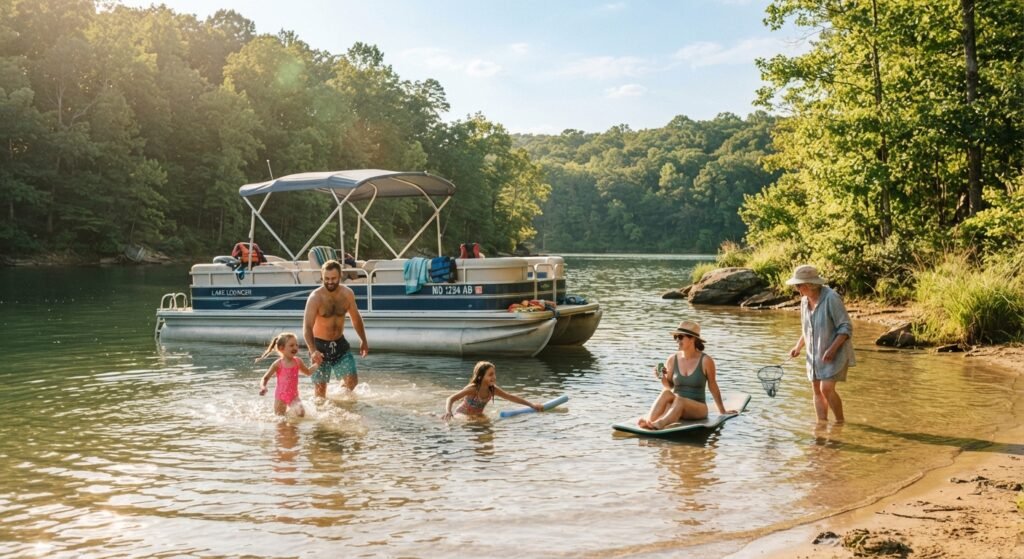
Not everyone wants to spend their Lake of the Ozarks trip surrounded by a thousand boats and blasting speakers. Some days call for something calmer, a spot where you can drop anchor, let the kids swim, and hear your own conversation without shouting over the crowd.
Spring Cove is one of those local names that comes up when boaters ask around for exactly this kind of quiet alternative to the famous Party Cove scene. This guide covers what makes a spot like Spring Cove appealing, how to find your own version of it, and how to plan a relaxed day of anchoring away from the busiest parts of the lake.
Why So Many Boaters Look for an Alternative to Party Cove
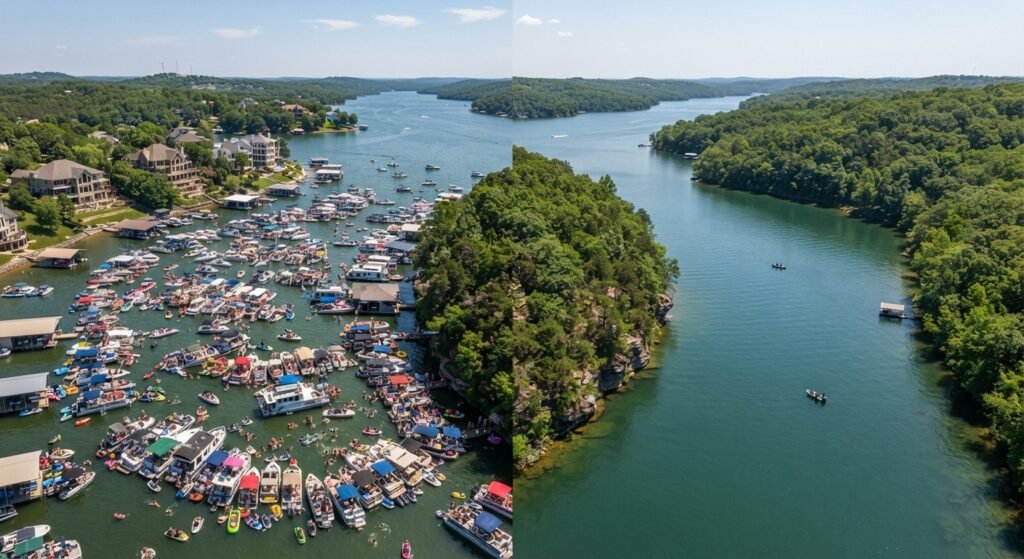
Party Cove, officially known as Anderson Hollow Cove, has earned its reputation as one of the largest informal boat gatherings in the country. On a peak summer Saturday it can host well over a thousand boats packed tightly together on the Grand Glaize Arm, with music playing from a dozen directions at once and a genuinely festive, high energy crowd. That scene is unforgettable for the right group, but it is simply not what every boater wants out of a lake day.
Families with young kids, couples looking for a peaceful afternoon, and groups who just want to swim and relax without navigating a packed anchorage all tend to search for something quieter. This is exactly where a spot with a name like Spring Cove comes into the conversation. Local boaters often use names like this to describe a calmer cove they return to again and again, a place with the same warm water and easy anchoring that Party Cove offers, minus the massive crowd and constant noise.
It is worth noting upfront that a name like Spring Cove tends to function more as an informal, word of mouth reference among regular lake visitors rather than something you will find labeled on an official navigation chart. Ask at a local marina or rental counter, and staff will usually know exactly which quiet cove nearby carries that nickname, even if it changes slightly depending on who you ask or which part of the lake you are exploring.
What Makes a Cove a Good Quiet Anchoring Spot
The qualities that make any cove a strong alternative to Party Cove are actually fairly consistent across the lake. Protected coves branching off the main channel are typically narrower and more sheltered, which means calmer swimming water and lighter passing boat traffic compared to open channel anchoring. This shelter is exactly what creates the peaceful atmosphere that quiet cove seekers are looking for.
These calmer coves generally trade a bit of convenience for that peace and quiet. Shallower water toward the back of the cove, longer boat rides back to the main channel, and occasional seasonal vegetation in the shallowest sections are common tradeoffs. For most boaters chasing a relaxed day, this trade is well worth it, since the payoff is calm water that suits paddleboarding, young kids splashing around, and smaller boats without the constant wake and noise of busier anchorages.
Water depth and bottom composition also matter more in these quieter coves than they do on the wide open main channel. Confirming depth before you commit to an anchoring spot, especially if you are running a larger vessel, keeps your day running smoothly and avoids the frustration of grounding out in an unfamiliar shallow pocket tucked into the back of a cove.
Where to Look for Your Own Spring Cove Style Spot
The Grand Glaize Arm is genuinely one of the best places to start looking for this kind of quiet anchoring alternative, precisely because it holds both extremes of the lake’s personality within the same stretch of water. Party Cove itself sits on this arm, but venture into some of the smaller side coves branching off the main body of the arm, and you will find noticeably calmer water with far fewer boats, sometimes just a few minutes away from the loudest party on the lake.
The Gravois Arm is another strong candidate for a peaceful day. This arm has a long standing reputation among locals for calmer water, less commercial development along parts of its shoreline, and coves that suit a relaxed swim or a family picnic far better than a crowded party atmosphere. Boaters looking specifically for quiet, protected anchoring often gravitate toward this arm once they get tired of fighting for space in the busier lower lake sections.
For the truly quiet experience, heading into the upper lake and back arms further from the busier commercial corridor near Bagnell Dam and Osage Beach rewards boaters with genuinely private settings and lighter traffic. These areas do require a longer run from marinas and restaurants, so plan your fuel and time accordingly, but the tradeoff is a level of privacy and calm that the lower lake simply cannot match during peak season.
How to Confirm Local Knowledge Before You Go
Since names like Spring Cove function as informal local shorthand rather than official designations, the smartest way to find one is simply asking the people who know the water best. Marina staff, dock hands, and rental company employees spend their entire season on the lake and can point you toward a specific cove that matches whatever level of quiet you are looking for that day.
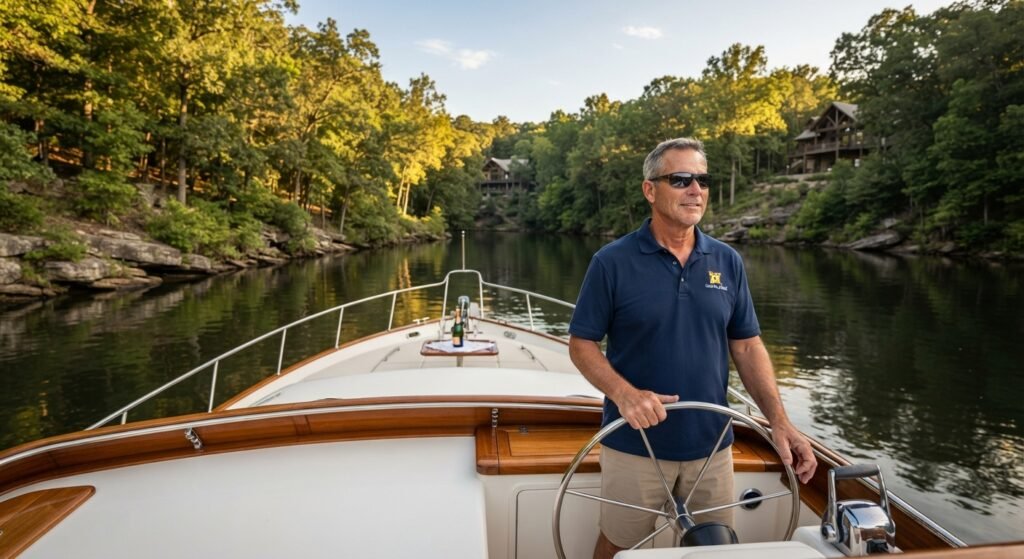
If you are booking a captained yacht charter, this becomes even easier. Tell your captain directly that you want a calm, family friendly anchoring spot rather than a busy party scene, and they will almost always have a specific cove in mind based on current conditions, water levels, and how crowded different parts of the lake are running that particular week. A good local captain reads the lake daily and knows exactly where the crowds are thinning out or building up on any given afternoon.
Online lake community groups and local boating forums can also be useful for cross referencing names like Spring Cove, since regular visitors often share tips about their favorite quiet spots. Just keep in mind that conditions change with lake levels and seasons, so a spot recommended in a post from a few years ago may look somewhat different by the time you visit.
Anchoring Tips for a Peaceful Day on the Water
Once you find your quiet cove, a few habits keep the day running smoothly. Bring at least one reliable anchor, since even a protected cove can see some wind and current movement throughout the day, and a properly set anchor keeps your boat exactly where you want it while everyone relaxes and swims. Checking that your anchor has actually dug in, rather than assuming it has, saves you from an unwelcome surprise later in the afternoon.
Approach any new cove slowly, watching depth carefully as you move toward the back sections where the water tends to shallow out. This caution matters even more in a quiet, less traveled cove, since these areas rarely have the same buoy markings and regular traffic that keeps the main channel and busier destinations well charted and predictable.
Respect the peaceful nature of the spot once you have found it. Part of what makes these quiet alternatives so appealing is that everyone anchored there is looking for the same relaxed atmosphere, so keeping music at a reasonable volume and giving neighboring boats a bit of space helps preserve exactly the calm environment that drew your group there in the first place.
Making the Most of a Quiet Anchoring Day
A day built around a peaceful cove works well when you plan for the slower pace it offers. Pack everything you need in advance, since quiet coves rarely have nearby restaurants or fuel docks the way busier destinations do. A good cooler, sunscreen, plenty of water, and some inflatables or a floating mat turn a simple anchoring stop into a genuinely enjoyable, unhurried afternoon for the whole group.
Consider combining a quiet cove stop with a broader day on the water rather than treating it as the entire itinerary. Many boaters cruise past the energy of Party Cove just to see the scene from a safe distance, then head back to calmer water for the actual swimming and relaxing portion of their day. This gives your group the best of both worlds, a taste of the lake’s famous social scene alongside genuine peace and quiet when you actually want to unwind.
If your group includes both people who want the party atmosphere and people who prefer something calmer, a captained charter with flexible timing solves this nicely. Spend an hour cruising through or near the livelier destinations, then let your captain guide you into a genuinely quiet cove for the rest of the afternoon, giving everyone in your group exactly the kind of day they were hoping for.
Frequently Asked Questions
Is Spring Cove an official location on Lake of the Ozarks maps?
Not typically. Names like Spring Cove usually function as informal local nicknames that regular boaters use for a quiet, favorite cove rather than an officially charted destination. Asking at a local marina or rental company is the best way to find the specific cove people mean when they use this kind of name.
What makes a cove a good quiet alternative to Party Cove?
A good quiet cove is typically narrower and more sheltered than the open main channel, offering calmer water, lighter boat traffic, and a more private feel. The Grand Glaize and Gravois Arms both have several coves that fit this description well, especially away from the busiest sections near Party Cove itself.
Which arm of the lake is best for finding a quiet anchoring spot?
The Gravois Arm has a long standing reputation for calmer water and quieter coves compared to the busier main channel and lower Grand Glaize Arm. Venturing into the upper lake and back arms further from Bagnell Dam also rewards boaters with genuinely private, less trafficked anchoring options.
Is it safe to bring kids to a quiet anchoring cove?
Yes, quiet coves are generally considered safer and more comfortable for families than busy party destinations, since there is far less boat traffic, noise, and crowding. Shallower water at the back of many coves also tends to be gentler and easier to supervise young swimmers in.
Should I book a captained charter to find a quiet cove?
A captained charter is a smart choice if you are unfamiliar with the lake, since a local captain knows current conditions and can guide you to a specific quiet cove based on your group’s preferences. This also removes the guesswork of navigating unfamiliar shallow water on your own.
Can I visit Party Cove and a quiet cove in the same day?
Yes, many boaters combine both experiences in a single outing. A common approach is cruising past or briefly through Party Cove to see the scene, then heading to a calmer cove for the main portion of the day’s swimming and relaxing.
What should I bring for a day anchored in a quiet cove?
Bring a reliable anchor, a stocked cooler, sunscreen, plenty of drinking water, and a floating mat or inflatables if you plan to stay anchored for several hours. Quiet coves rarely have nearby restaurants or fuel docks, so packing everything your group needs in advance is essential.
How do lake levels affect anchoring in a quiet cove?
Water levels can noticeably affect depth in narrower, more sheltered coves compared to the deeper main channel. Checking current lake levels through Ameren Missouri before your trip helps you understand what conditions to expect, particularly toward the shallower back sections of a cove.
Final Thoughts
Lake of the Ozarks has built its reputation on scenes like Party Cove, and rightfully so, since nothing else on the water quite compares to that level of energy and spectacle. But the same lake that hosts the country’s most famous floating party also holds dozens of quieter coves tucked into the Grand Glaize Arm, the Gravois Arm, and the upper reaches far from the busiest crowds. Spots that locals informally call things like Spring Cove exist precisely because regular boaters value having both options within reach of the same trip.
Finding your own version of this peaceful alternative does not require insider secrets or years of experience on the water. It simply takes a willingness to ask around, a bit of patience exploring a quieter arm of the lake, and the right anchoring habits once you get there.
Whether you end up in a cove that carries the name Spring Cove or one with an entirely different local nickname, the reward is the same. Calm water, a relaxed pace, and a genuinely enjoyable day that proves this lake has something for every kind of boater, not just the ones chasing the loudest crowd.