Author name: admin

Safety equipment briefing for large group boat rental at Lake of the Ozarks LOTO
Guides

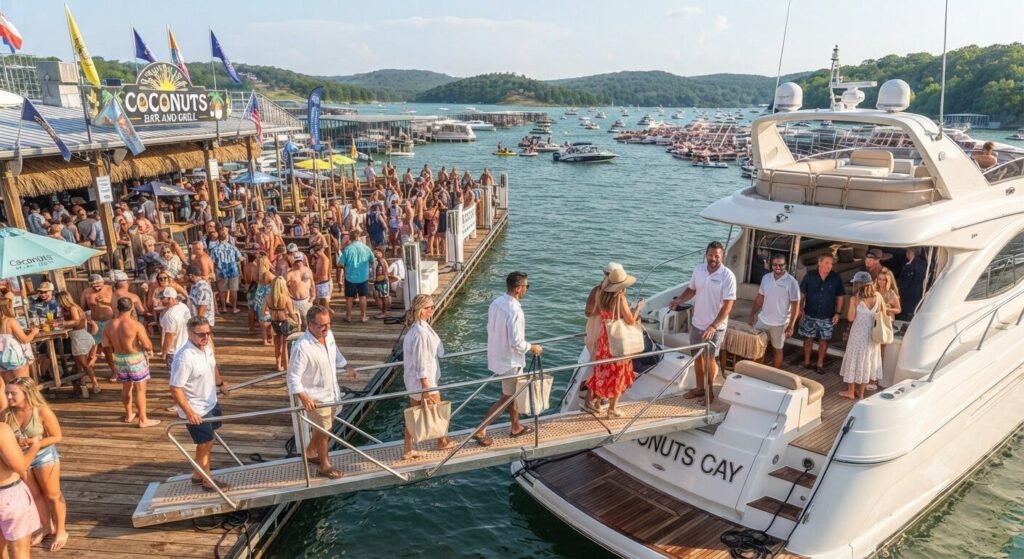
Safety Equipment Checklist for Large Group Boat Rentals at LOTO

Getting a large group out on the water at Lake of the Ozarks is one of the best experiences the lake has to offer. But the bigger the group, the more important preparation becomes. Safety on the water is not optional. It is not something to figure out once you are already out on the lake. It is something every charter guest should understand before they step on board. This is especially true for large group boat rentals at LOTO, where more people on the vessel means more variables to manage. This guide gives you a complete safety equipment checklist for large group charters at Lake of the Ozarks. It covers legal requirements, essential gear, Missouri boating regulations, and what to look for when choosing a charter company that takes safety seriously. Why Safety Preparation Matters More for Large Groups A solo couple on a 2-hour sunset cruise faces a very different safety picture than a group of 14 people on a full-day charter. The risks do not multiply the same way, but the stakes do. With a larger group, there are more people who may not know how to swim well. There are more people moving around the deck at any given time. There is more activity near the water. There are more chances for someone to lose their footing, lean too far over the rail, or find themselves in a situation they were not prepared for. Group dynamics on a moving vessel require more active awareness than most guests realize until they are already out there. This is why reputable yacht charter companies at Lake of the Ozarks take the safety briefing seriously for every booking, but especially for large groups. A proper safety briefing before departure is not a formality. It is one of the most important parts of the whole experience. Every person on board should know where the life jackets are stored, where the fire extinguisher is located, how to signal for help, and what the boarding and exiting procedures are. Understanding the safety equipment on board before you depart gives everyone confidence. It also ensures that if something does go wrong, the response is immediate and informed rather than panicked and slow. Safety knowledge does not diminish the fun. It protects it. U.S. Coast Guard and Missouri Boating Safety Requirements Before covering the specific gear, it is important to understand the legal framework that governs boat safety at Lake of the Ozarks. Missouri follows both U.S. Coast Guard federal regulations and state-level boating laws enforced by the Missouri State Highway Patrol Water Division. Every vessel operating on Lake of the Ozarks must comply with these requirements. Reputable charter companies handle this automatically. But as a guest, knowing what is legally required helps you verify that your charter is properly equipped before you depart. Federal law requires that every vessel carry at least one U.S. Coast Guard-approved personal flotation device for each person on board. On vessels 16 feet or longer, at least one Type IV throwable device must also be on board in addition to individual life jackets. Fire extinguishers are federally required on any motorized vessel with an enclosed engine compartment. Visual distress signals including flares are required for vessels operating on open water after dark or in certain weather conditions. Missouri state law adds additional requirements. All children under 7 years of age must wear a Coast Guard-approved life jacket at all times while the vessel is underway. Boat operators must carry proof of registration. Sound-producing devices such as a horn or whistle are required for signaling in restricted visibility conditions. Missouri also enforces strict blood alcohol content limits for vessel operators on the water, with the legal limit set at 0.08 percent, the same as for motor vehicles. Any charter company operating legally at Lake of the Ozarks will have all of this covered. If a company cannot confirm compliance with these requirements when asked, that is a serious red flag. The Complete Safety Equipment Checklist for Large Group Charters This is the full checklist every large group should mentally verify before departing on a private boat charter at LOTO. Your captain and charter company should have all of this in place. Use this list to confirm it yourself. Personal Flotation Devices for Every Person on Board This is the single most important item on any boat safety checklist. There must be at least one Coast Guard-approved life jacket for every passenger. On a large group charter, that means the vessel needs enough properly rated PFDs to cover your full headcount, including children. Life jackets must be the correct size for each person. An adult life jacket on a child provides almost no real protection. Before departure, confirm the total number of PFDs on board matches or exceeds your group size. Confirm that children’s sizes are available if children are part of your group. Ask where they are stored so everyone knows without having to search in an emergency. The best charter companies brief every guest on PFD location during the pre-departure safety walkthrough. Throwable Type IV Flotation Device In addition to wearable life jackets, every vessel 16 feet or longer must have at least one Type IV throwable flotation device immediately accessible on deck. This is typically a ring buoy or a throwable cushion. It is designed to be thrown to a person who has fallen overboard to keep them afloat while the vessel maneuvers to retrieve them. On a large group charter, the throwable device should be in a clearly visible and immediately accessible location, not stored in a compartment. Your captain or first mate should be able to grab it and deploy it within seconds. For larger vessels carrying maximum capacity groups, some operators carry two throwable devices as an added precaution. Fire Extinguisher Every motorized vessel with an enclosed engine compartment is required by federal law to carry at least one Coast Guard-approved fire extinguisher. Larger vessels may be required to carry more than one depending

How many hours to rent a yacht at Lake of the Ozarks Missouri
Guides

How Many Hours Should You Rent a Yacht at Lake of the Ozarks?

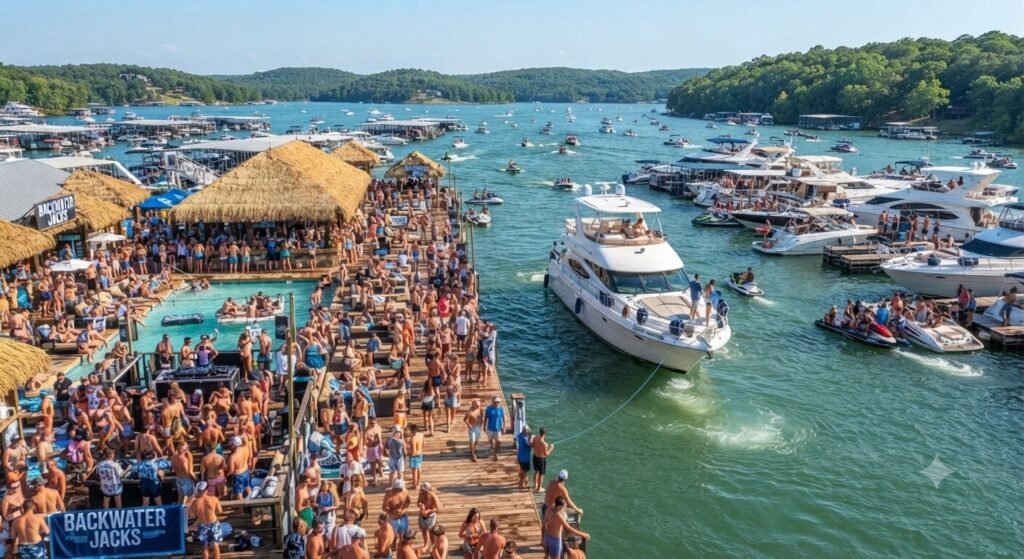
It is one of the most common questions first-time charter clients ask. You know you want to get out on the water. You know you want a private yacht or tritoon rental at Lake of the Ozarks. But how long should you actually book? Book too short and you feel rushed. You barely settle in before it is time to head back. Book too long and you are paying for hours your group did not really need. Getting the duration right makes a real difference. It affects your budget, your comfort, and how much you actually enjoy the experience. This guide walks you through every scenario. You will know exactly how many hours to book based on your group, your occasion, and what you want to do on the water. What Are the Standard Rental Durations at Lake of the Ozarks? Most yacht and boat charter companies at Lake of the Ozarks offer a few standard time blocks. Knowing these options upfront helps you plan your day more accurately. The most common rental windows are 2 hours, 3 hours, 4 hours, and full-day charters that typically run 6 to 8 hours. Some operators also offer half-day packages, usually defined as 4 hours, which sit right in the middle of the range. A handful of premium charter companies at Lake Ozark also provide multi-day rentals for extended trips or overnight experiences. The minimum rental period at most LOTO charter companies is 2 hours. Some operators set their minimum at 3 hours, especially for larger vessels or captained charters. It is worth confirming the minimum with your specific provider when you inquire. Booking below the minimum is not usually an option, and some companies bundle in travel time within their minimums as well. Pricing is almost always structured on a per-hour basis up to a certain point, after which a flat full-day rate often becomes more economical. If you are already leaning toward 5 or 6 hours, ask your operator whether a full-day package saves you money compared to booking hourly. In many cases it does, and significantly. A 2-Hour Charter | Is It Ever Enough? A 2-hour rental is the shortest window most operators offer, and it works well for a very specific type of guest. If your group is small, your goals are simple, and you primarily want to experience being on the water at Lake of the Ozarks without a full-day commitment, two hours can be satisfying. A couple celebrating a birthday with a quick sunset cruise. A small group of friends who want to cruise past Bagnell Dam and enjoy the views for an hour or so before heading to dinner. Guests who have limited time on a weekend trip and want at least some time on the water. Two hours goes faster than most people expect though. By the time you board, get settled, cruise out from the marina, reach your destination, and turn back, the time fills up quickly. There is very little room for spontaneity. You cannot linger anywhere or make unplanned stops without feeling the clock. For anyone who has never been on a private boat charter at LOTO before, two hours often leaves them wishing they had booked more. It is a fine introduction to the experience, but it rarely feels like enough for guests who came specifically to enjoy the lake. If budget is the main constraint pushing you toward two hours, it is worth considering whether a 3-hour booking might stretch to fit your expectations better. The 3-Hour Charter | The Sweet Spot for Casual Outings Three hours is the most popular rental duration among casual charter guests at Lake of the Ozarks, and it is easy to see why. Three hours gives you enough time to fully relax once you are on board. You can cruise the main channel, make a stop near Party Cove or Shady Gators, enjoy food and drinks on the water, and still have time to explore a cove or two before heading back. Nothing feels rushed. You are not watching the clock every 20 minutes. For a couples cruise, a small friend group outing, or a sunset charter, three hours hits a comfortable balance between cost and experience. You get the full feeling of a private day on the lake without committing to a half-day or full-day price point. Most guests who book three hours report feeling genuinely satisfied when the charter ends rather than relieved or disappointed. Three hours also works well as a starting point if you are unsure how your group handles being on the water. Some people love it immediately and would stay all day. Others find two hours is plenty for them. Three hours gives everyone a proper taste of the experience without overcommitting. If your group decides they want more time in the future, you will know to book longer next time. The 4-Hour Half-Day Charter | Best for Groups and Celebrations Once your group size grows, or once your occasion calls for more than a casual outing, four hours becomes the recommended minimum. This is the half-day window, and it opens up the experience considerably. With four hours on the water, you can cruise to multiple destinations. You can spend time anchored near Party Cove during the social window, then move on to a quieter cove for swimming or relaxing before heading back. You can serve a proper meal on board, spend time in the water, and still have time left over to cruise and enjoy the scenery. The experience feels full and unhurried. Four hours is strongly recommended for bachelorette party charters, birthday celebrations, anniversary trips, and any group event where the boat is the centerpiece of the day rather than a quick add-on. When people travel from out of town specifically for a Lake of the Ozarks yacht charter, four hours gives them an experience worth the trip. It is also the right minimum for larger groups. When you have 8 to 12 people on

Best time of day for a private yacht cruise at Lake of the Ozarks LOTO
Guides

Best Time of Day to Book a Private Yacht Cruise at Lake of the Ozarks

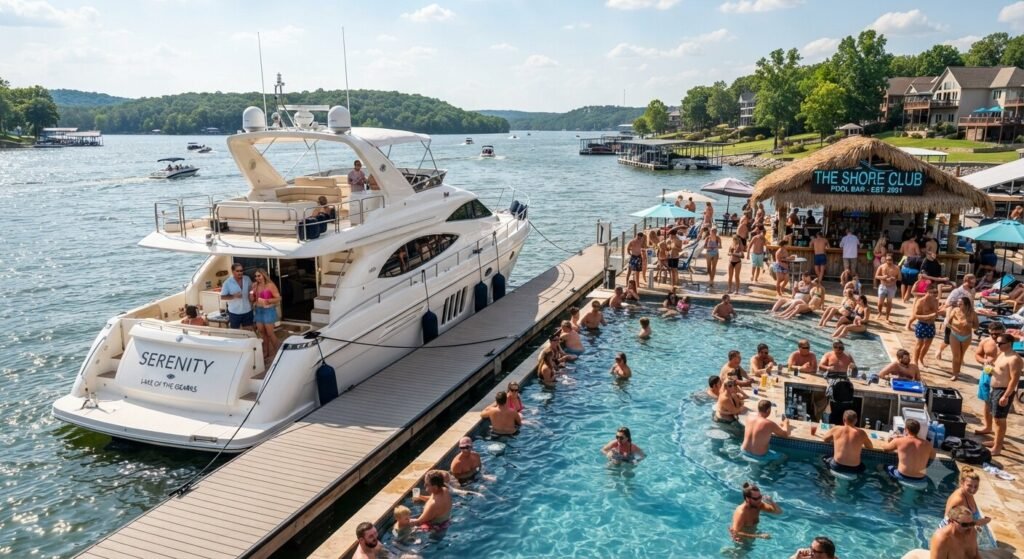
Timing matters more than most people realize when booking a private yacht cruise at Lake of the Ozarks. The lake looks different at every hour. The crowds shift. The temperatures change. The light on the water at golden hour is nothing like midday. And the energy of a morning cruise feels completely different from a late-afternoon departure. Most guests focus entirely on picking a date. They forget that what time you go out can shape the whole experience. This guide breaks it all down. Morning, midday, afternoon, sunset, evening. You will know exactly which time slot makes the most sense for your group, your occasion, and what you want to get out of your LOTO yacht charter. Why the Time of Day Changes Everything on Lake of the Ozarks Lake of the Ozarks is a 54,000-acre lake with over 1,100 miles of shoreline. It is one of the busiest recreational lakes in the entire Midwest. That means boat traffic, wake activity, shoreline crowds, and water conditions all shift significantly throughout the day. Early in the morning, the lake is calm and quiet. The water is flat. Traffic is light. You get a completely different version of the lake compared to what you see at 2pm on a Saturday in July. By midday in peak season, Party Cove fills up, the main channel gets busy, and the water gets choppy from wake activity. The sun is directly overhead, temperatures peak, and the lake feels like a completely different place. As the afternoon gives way to early evening, things shift again. Crowds thin out. The light softens. The temperature drops just enough to make being on the water genuinely comfortable. This is when a lot of experienced charter guests prefer to go out. Understanding these rhythms helps you pick the time slot that matches what your group actually wants. There is no single right answer. But there is a right answer for you specifically. Morning Charters | Calm Water, Cool Air, and Full Privacy A morning yacht charter at Lake of the Ozarks is one of the most underrated experiences on the lake. Most guests overlook this time slot entirely. That is a mistake. From roughly 8am to 11am, the lake belongs to almost nobody. Boat traffic is minimal. The main channel is open and calm. The water surface is smooth in a way it almost never is later in the day. For guests who want to cruise at speed, explore different coves and inlets, or simply enjoy the lake without fighting wakes from dozens of other vessels, morning is exceptional. The temperature in the morning is also significantly more comfortable, especially during peak Missouri summer months. July and August afternoons at Lake Ozark can be genuinely brutal. Starting your charter at 8 or 9am means you enjoy the coolest part of the day on the water before the heat builds. This is especially valuable for guests with young children, older family members, or anyone who does not tolerate heat well. Morning charters are also ideal for photography and sightseeing. The light in the first few hours of the day is softer and more flattering than midday sun. If capturing the lake beautifully is part of your plan, morning gives you the best natural conditions to work with. The reflection of early light on calm water around the Bagnell Dam area and the quieter coves north of Osage Beach is genuinely stunning. If your group wants peace, privacy, and the lake mostly to yourselves, book a morning departure. You will see a side of Lake of the Ozarks that most weekend visitors never experience. Midday Charters | Peak Energy, Party Cove, and Full Sun The midday window, roughly 11am to 3pm, is when Lake of the Ozarks is at its most energetic. This is peak activity time. The lake is busy, the sun is high, and the atmosphere around popular spots like Party Cove, Shady Gators, and Backwater Jacks is at full intensity. If your group is specifically coming to experience the social side of LOTO, midday is the right choice. This is when the floats are out, the music is playing, and the social scene on the water is fully alive. A bachelorette party charter, a birthday boat outing, or any group that wants to be part of the action rather than away from it will find midday the most immersive experience. The trade-offs are real though. The lake gets choppy from constant boat traffic during this window. The sun is intense. Temperatures on the water can reach uncomfortable levels without proper shade. If any members of your group are sensitive to heat or prone to seasickness, midday in July or August is the most challenging time to be out. Midday charters also require more intentional planning around sun protection. Sunscreen, hats, and shade coverage on the vessel become genuinely important, not optional. Make sure your charter vessel has adequate shade or a canopy setup if you are booking this time slot in summer. This is also the busiest booking window. Midday Saturday slots on peak summer weekends fill up faster than any other time. If you want a midday charter during Memorial Day weekend, 4th of July, or Labor Day weekend, book as early as possible. These slots go weeks in advance. Late Afternoon and Sunset Charters | The Most Popular Time Slot at LOTO Ask any experienced charter guest at Lake of the Ozarks what their favorite time to go out is, and the vast majority will say late afternoon into sunset. There is a reason this time slot is the most in-demand option available. Starting around 3pm to 4pm, the lake begins to calm down. Casual day-trippers head back to shore. Boat traffic in the main channel thins out considerably. The temperature drops from its afternoon peak. The water surface smooths out. You get a version of the lake that combines activity and calm in a way that no other window offers. Then comes golden hour. In

Cooler with food and drinks for a private boat charter at Lake Ozark
Guides

Can You Bring Your Own Food on a Private Yacht Charter at Lake of the Ozarks?

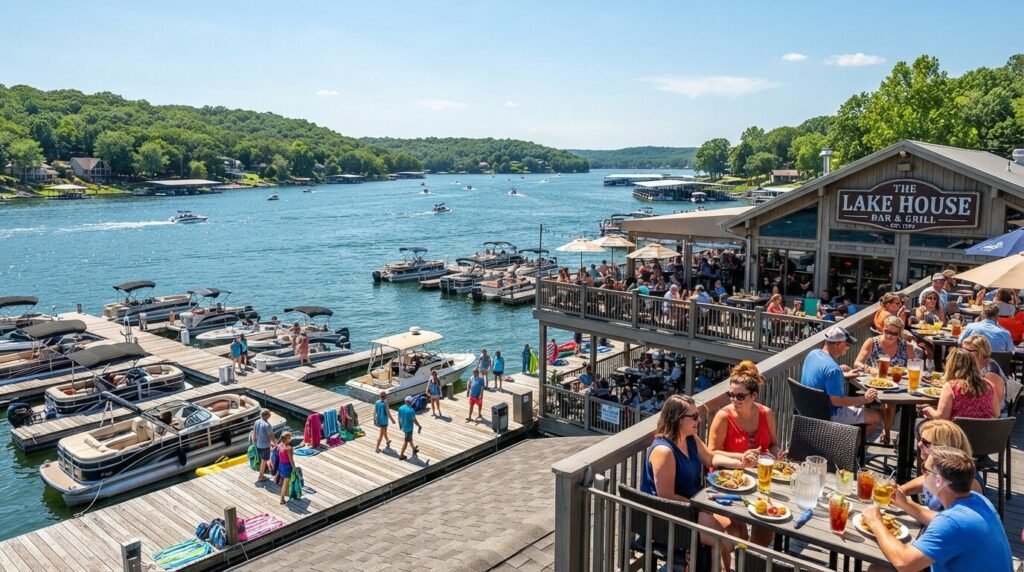
One of the first questions people ask when booking a private yacht charter at Lake of the Ozarks is simple. Can we bring our own food? It is a fair question. You have a group to feed. You have dietary preferences to manage. And you want the day to feel relaxed and personal, not like a catered event with rules attached. The good news is that most LOTO charter operators are flexible about food. But there are guidelines worth knowing before you pack your cooler and head to the dock. This guide covers everything. Food policies, what to bring, what to avoid, catering options, and how to plan a meal setup that actually works on the water. The General Rule | Yes, You Can Bring Your Own Food On most private yacht and tritoon charters at Lake of the Ozarks, bringing your own food is completely allowed. It is actually one of the most popular things guests do. People bring coolers, snack boards, sandwiches, fruit trays, dips, and full meal spreads. It is part of what makes a private charter feel personal. That said, every charter company has its own specific policies. Some have no restrictions at all. Others have a few basic guidelines around how food is stored, served, or cleaned up. A small number of premium operators offer onboard catering packages and may ask you to work within those options rather than bringing outside food. This is worth confirming directly with your charter provider before your booking date. The key word in all of this is private. On a private charter, you have the boat to yourselves. That gives you far more flexibility than a shared or public tour would. Your group sets the pace. You eat when you want. You bring what you like. That level of freedom is one of the biggest reasons people choose a private charter over any other option at Lake of the Ozarks. Most operators simply ask that guests keep things tidy, manage their waste responsibly, and avoid bringing anything that could damage the boat’s surfaces or upholstery. Beyond that, the galley or cooler space is generally yours to use. What Types of Food Work Best on a Yacht Charter Not all food is equally practical on the water. The boat is moving. Space is shared. Temperatures in Missouri summers can get genuinely hot. Thinking ahead about what to bring on a yacht charter at LOTO will make your experience much more enjoyable. Easy, no-mess foods are always the best choice for a full day on the water. Think finger foods, wraps, sandwiches, cheese boards, fruit, vegetables with dip, cold pasta salads, and anything that holds up well at cooler temperatures. These foods are easy to serve, easy to eat while seated on deck, and require almost no cleanup. They also keep well in a standard cooler throughout a full charter day. Avoid anything that requires actual cooking unless the boat has a built-in grill or galley setup. Hot foods that need to be kept at temperature are difficult to manage on a moving vessel. Dishes that require plates, utensils, and multiple serving pieces add complexity and create more cleanup. Heavy, greasy foods can also become uncomfortable once the boat is underway, especially for guests who are sensitive to motion on the water. For larger group charters such as bachelorette parties, birthday celebrations, or corporate outings at Lake of the Ozarks, a grazing table approach works extremely well. Build out a spread of items that can sit at room temperature or in a cooler for a few hours. Put it out before you depart and let guests help themselves throughout the day. It requires no service, no timing, and very little cleanup. Pre-portioned snack bags are also a smart option for kids or for longer multi-hour charters where guests want something to grab without digging through a shared cooler. Coolers, Storage, and Keeping Food Cold on the Water Cooler management is one of the most practical parts of planning food for a yacht charter. Lake of the Ozarks summers are hot. A cooler that is not packed correctly will leave you with warm drinks and soggy food by midday. Pack your cooler the night before if possible. Pre-chill everything before it goes in. Use block ice or high-quality ice packs rather than loose bag ice, which melts faster and leaves you with a cooler full of water. Keep your food cooler separate from your drink cooler if you have two. Constantly opening a cooler for drinks allows cold air to escape and warms everything inside much faster. Most charter boats at Lake Ozark have some form of built-in cooler space or storage area for guest use. Some larger yachts have a proper galley with a refrigerator. Ask your operator in advance what storage options are available on your specific vessel. This helps you plan how much cooler space to bring from home and how to pack it. Seal all food items in zip-lock bags or airtight containers. This protects food from condensation inside the cooler and also makes it easier to manage on a moving boat. Loose items in open containers can spill easily when the vessel shifts speed or turns. Drinks and Alcohol | What You Need to Know Most private yacht charters at Lake of the Ozarks allow guests to bring their own drinks, including alcoholic beverages. This is one of the most common questions charter clients ask, and the answer is generally yes on a private booking. That said, there are important guidelines to follow. Missouri boating laws apply on the water just as road laws apply on land. Open container laws and alcohol regulations are enforced by the Missouri State Highway Patrol on Lake of the Ozarks. Guests are expected to drink responsibly. Your captain has the right to manage any situation where guest behavior becomes a safety concern. Most charter operators ask that all drinks be in plastic or non-breakable containers while on board. Glass bottles

Booking deposit terms for luxury yacht rental at Lake of the Ozarks
Guides

What Is the Cancellation Policy for Luxury Charters in LOTO?

Booking a luxury yacht charter at Lake of the Ozarks is exciting. You pick your date, gather your group, and start counting down the days. But plans change, and when they do, the last thing you want is confusion about your money. Understanding the cancellation policy for luxury charters in LOTO before you book is just as important as picking the right boat. It protects your investment. It sets the right expectations. And it helps you avoid any costly surprises down the road. This guide covers everything you need to know. From refund timelines and deposit terms to weather policies and rescheduling options, it is all here in plain language. How Cancellation Policies Work for Luxury Charters at Lake of the Ozarks Most luxury yacht charter companies at Lake of the Ozarks follow a tiered cancellation structure. The basic principle is simple. The closer you get to your charter date, the less flexibility you have and the less money comes back to you. This structure exists for a very practical reason. When you book a captained yacht charter at LOTO, the operator blocks that boat for your date. They turn away other potential clients. They plan staffing, fuel, and logistics around your booking. A last-minute cancellation creates a real financial loss for them that is very hard to recover. The tiered policy reflects that reality. The most common structure works like this. If you cancel more than 14 days before your charter, most operators will offer a full refund or the option to apply your full payment toward a future date. This is the most flexible window and the safest position to be in. If there is any uncertainty about your plans, try to stay inside this timeframe. If you cancel between 7 and 14 days before your trip, most policies shift to a partial refund, typically around 50 percent of your total payment. Some operators will allow a one-time reschedule at no additional charge during this window, but that depends entirely on the company and their availability. Within 7 days of your charter, most policies become non-refundable. You may still be offered a credit toward a future booking, but a cash refund is unlikely at this stage. Same-day cancellations are almost universally non-refundable, as the crew is already prepared and all costs are fully committed. Every company has its own specific language, so always ask your charter provider to walk you through their exact policy before handing over any payment. What Happens to Your Deposit When You Cancel? There are two types of deposits involved in most luxury charter bookings at Lake of the Ozarks, and they work very differently. Understanding both of them upfront will save you a lot of confusion later. A booking deposit is what you pay at the time of reservation to hold your charter date. This is typically between 25 and 50 percent of your total charter fee. This is the amount most directly tied to cancellation terms. Depending on when you cancel, this deposit may be fully refundable, partially refundable, or entirely forfeited. It all comes down to timing and the specific terms in your booking agreement. A security deposit, on the other hand, is a temporary hold placed on your credit card to cover any potential damage during the charter. This amount is never actually charged unless damage occurs. It is released within a few business days after your trip ends without incident. Because it was never collected as payment, it is not subject to cancellation policy terms at all. When you cancel, the focus falls entirely on your booking deposit. Some LOTO charter companies return this as a cash refund within the eligible window. Others apply it as a credit toward a future booking rather than issuing a refund. These are two very different outcomes, and you want to be clear on which one applies to your reservation before you sign anything. If you paid your full charter balance upfront rather than just the deposit, the same cancellation timeline still applies. The refundable or non-refundable portion is still calculated based on how many days remain before your scheduled date. Weather Cancellations at LOTO | A Separate Policy You Must Understand Weather is one of the most important topics in any Lake of the Ozarks charter agreement, and it is often handled under a completely separate clause from standard cancellations. This is not a minor detail. It can make a significant difference in what happens to your money. Thunderstorms at Lake of the Ozarks are common during peak season, particularly in summer. They can roll in quickly and make conditions on the water genuinely unsafe. Reputable charter companies take this seriously, and most have a dedicated weather cancellation policy built into their agreements. When a charter is cancelled due to unsafe weather conditions, the outcome is typically more favorable for the client than a standard cancellation. Most operators will offer a full reschedule to another available date at no additional charge. This is the most common resolution and tends to be fair for both parties. Some companies offer a full credit toward a future booking, valid for a set period, usually within the same season or within 12 months of the original date. In certain situations, particularly when rescheduling is not practical for the client, a full refund may be offered. One of the most important details in any weather clause is who has the authority to declare a weather cancellation. In most charter agreements, that decision rests with the captain or the charter company, not with the client. If conditions are borderline and the captain determines it is safe to proceed, the charter goes forward. If you choose not to board under those conditions, your cancellation may fall under standard terms rather than the weather clause, which could mean losing your deposit. Always ask your charter company to explain the weather clause in detail. Find out what specifically qualifies as an unsafe condition, what notification process they use, and what

Guest tipping boat captain after a captained yacht charter at Lake Ozark
Guides

How Much Do You Tip a Yacht Crew at Lake of the Ozarks?

You just had an amazing day on the water. The boat was beautiful. The captain kept everything smooth and safe. The crew made sure you had everything you needed. Now the charter is wrapping up, and you are standing there wondering — how much do I tip? It is a common question. Most people who book a captained yacht charter at Lake of the Ozarks have never done it before. They are not sure what is appropriate, what is too little, or whether tipping is even expected. This guide answers all of that in plain terms. The Standard Tipping Range for a Yacht Crew at Lake Ozark The most widely accepted standard in the charter boat industry is 15% to 20% of the total charter cost. This applies to captained rentals at Lake of the Ozarks just like it does at any other destination. If you booked a half-day charter for $600, a fair tip lands between $90 and $120. If your full-day rental cost $1,200, then $180 to $240 is the right range. These numbers are not random. They are based on the same hospitality norms you see in restaurants, hotels, and guided tours. The crew is providing a personal service, and their tip reflects how well they delivered it. Some guests prefer to round up or tip above 20% when the experience genuinely exceeded expectations. That is completely reasonable. A good crew works hard to make your time on the water memorable. Recognizing that effort generously is always appreciated. How Tipping Works When There Is a Captain and a Crew Not every charter has the same team. Some charters at Lake of the Ozarks include only a licensed boat captain. Others include a captain plus one or more additional crew members for food service, safety, or event coordination. When you are dealing with a solo captain, the full tip goes directly to that one person. When there is a captain and additional crew, it is standard to split the gratuity. The captain typically receives the larger share since they carry legal responsibility for the vessel and everyone aboard. A common split is 60% to the captain and 40% split among the rest of the crew, though this is flexible. If you are not sure how the crew is structured, just ask before or during the trip. Most captains at Lake of the Ozarks are straightforward about it. They are used to guests asking, and they appreciate when someone takes the time to understand the setup before tipping. What Factors Should Influence Your Tip Amount The 15% to 20% baseline is a starting point. Your actual tip should reflect the specific experience you had. There are several things worth considering before you decide on a final amount. Trip length matters. A 4-hour sunset cruise and an 8-hour full-day event involve completely different levels of effort. Longer charters mean more navigation, more fuel management, more guest interaction, and more physical work from the crew. A tip on the higher end of the range is more appropriate for a longer trip. Group size plays a role. If you booked a large group yacht charter for 15 to 20 people, the crew was dealing with a significantly higher workload than a small private trip. More guests means more coordination, more safety awareness, and more pressure to keep everyone happy. That kind of effort deserves recognition. The difficulty of the day is relevant. Lake of the Ozarks can get busy, especially around Party Cove, Bagnell Dam, and the main channels during summer weekends. If your captain navigated heavy boat traffic, handled rough wakes, or managed a complex event itinerary, that added complexity should factor into your tip. The quality of service should always be the core factor. Did the captain communicate clearly? Did the crew go out of their way to make your group comfortable? Were requests handled promptly and with a good attitude? A crew that delivers exceptional service deserves a tip that reflects that. Do not default to the minimum if the experience was genuinely outstanding. When to Tip More Than 20 Percent Most people think 20% is the ceiling. It is not. In certain situations, tipping above 20% is not only appropriate — it is the right thing to do. If you hosted a bachelorette party boat charter or bachelor party and the crew helped manage a large, high-energy group without losing patience, that extra effort is worth more. If you organized a corporate yacht event where the captain maintained professionalism and helped your team look good in front of clients, that reflects real value. If you brought kids along and the captain took extra care to explain safety rules and keep the boat environment enjoyable for a younger group, that kind of attentiveness is rare and worth rewarding. There are also situations unique to Lake of the Ozarks. Summer holiday weekends on the lake can get chaotic. The Fourth of July, Labor Day, and Memorial Day weekends bring enormous boat traffic around Osage Beach and the main coves. A captain who safely navigates those conditions while keeping your group relaxed deserves more than the standard tip. Is Tipping Already Included in the Charter Price? This is one of the most important questions to ask before your trip. Some charter companies include a gratuity in the total booking price. Others do not. The policies vary between providers. When you book a yacht or luxury tritoon rental at Lake of the Ozarks, always read the pricing details carefully. Look for language like “gratuity included,” “service charge included,” or “crew tip not included.” If it is unclear, contact the company directly before your charter date. If gratuity is already built into the price, you are not obligated to tip additionally. However, if the service was exceptional, many guests choose to leave a small extra amount in cash as a personal gesture. That is never expected, but it is always well received. How and When to Give the Tip The logistics of

Yacht docked at Lake of the Ozarks marina on a sunny day
Guides

Do You Need a Boating License to Rent a Yacht in Missouri?

Planning a yacht trip on the Lake of the Ozarks? That’s a great choice. The lake is huge. The views are stunning. But before you book your yacht, you probably have one big question on your mind. Do you need a boating license to rent a yacht in Missouri? The short answer is it depends on your age. Missouri has a simple rule based on your birth year. This guide breaks it all down. You will learn the exact rule, how to get a temporary permit, and what other things you need before you step on board. Do You Need a Boating License to Rent a Yacht in Missouri? Yes, in most cases. But not everyone needs one. Missouri law says that anyone born after January 1, 1984 must have a boater education card to drive a motorized vessel on the state’s lakes. This includes yachts, pontoon boats, ski boats, and other powered watercraft. If you were born on or before January 1, 1984, you are exempt. You do not need any license or card. You can rent a yacht and drive it freely, as long as you follow normal safety rules. So the real question is not “do I need a license.” The real question is “was I born after 1984.” That single date decides everything. This rule applies to both Missouri residents and visitors. It does not matter where you live. If you plan to drive a powered boat on Lake of the Ozarks, this rule applies to you. Missouri’s Boater Education Law and the 1984 Rule This law is not new. It has been active since January 1, 2005. The state created it to reduce boating accidents and keep the lake safer for everyone. The rule itself is simple to remember. If you were born after January 1, 1984, you must have a boater education card before you operate a motorized vessel. If you were born on or before that date, you are fully exempt and need nothing at all. This rule is enforced on the water. The Missouri State Highway Patrol Water Patrol Division is the main agency that checks for compliance. Other local officers can also enforce it. If you are stopped and you do not have proof, you could face a fine. This is why most yacht rental companies ask about your birth date before they hand you the keys. It is not personal. It is simply the law. What Is a Boater Education Card In Missouri, there is no traditional driver’s license style document just for boats. Instead, the state uses something called a boater education card. People often call it a boating safety identification card. This card proves that you completed an approved boating safety course and passed the required test. Getting it is a straightforward process. You sign up for an approved course, either online or in a classroom setting, then study the material at your own pace. Once you feel ready, you take the final test, and after passing, you pay a small fee to receive your official card. From that point on, you simply carry this card along with a photo ID whenever you go boating. The best part is that this card lasts for life, so there is no yearly renewal to worry about. The course is approved by both the Missouri State Highway Patrol and the National Association of State Boating Law Administrators (NASBLA). This means it meets national safety standards, not just state ones. If you already have a boating license from another state, and that state’s course is NASBLA approved, Missouri may accept it. You will not need to retake a new course in that case. The Temporary Boating Permit for Renters at Lake Ozark Here is the good news for visitors. Not everyone wants to take a full course just for one weekend trip. Missouri offers a temporary boating permit built specifically for people who rent boats or yachts but do not have a full boater education card. This permit works differently from the full course. Instead of a long class, you complete a short online checklist that covers basic rental safety information. Once you pass it, the permit becomes valid for seven days, which is more than enough time for a typical lake vacation. The cost is usually quite small, often less than ten dollars, and you can print your card right away after finishing the checklist. The one thing to remember is that this option can only be used one time in your entire life, so it works best as a true backup for visitors rather than a regular solution. This option is perfect for tourists. If you are visiting Lake Ozark for a weekend and you were born after 1984, this temporary card lets you legally drive a rental yacht without a long process. Just remember, since you can only use this option once in your lifetime, plan ahead. If you plan to visit Missouri lakes more than once and want to drive the boat yourself each time, it might be smarter to get the full boater education card instead. How to Get Your Missouri Boater Education Card Online Getting this card is easier than most people expect. The whole thing can be done from your phone or laptop before you even arrive at the lake. The process starts with choosing an approved course provider, and Boat-Ed is one of the most common options used in Missouri. Once you pick a provider, you move through the online course material, which usually takes just a few hours and can be completed at your own pace whenever you have free time. After finishing the lessons, you take the final test, and most providers allow you to retake it if you do not pass the first time. Once you score well enough, you pay the required fee, which is usually a small amount separate from your yacht rental cost. After payment, you can immediately print or save your card, and you simply bring

Missouri boating age requirements chart for Lake of the Ozarks boat rentals
Guides

Boat Rental Age Requirements at Lake of the Ozarks | A Complete Guide

Planning a boat day at Lake of the Ozarks? One of the first questions most people ask is simple. How old do you need to be to rent a boat? The answer is not as simple as one number. Missouri state law sets a basic standard, but most rental companies set their own rules on top of it. This guide breaks down everything you need to know. You will learn what the state requires, what local rental companies actually enforce, and how to plan your trip if you are under 25. By the end, you will know exactly what to expect before you show up at the dock. What Missouri Law Says About Boat Rental Age Requirements Missouri sets a minimum age of 14 years old to operate any watercraft on the state’s lakes. This is the legal floor set by the state itself. It applies to boats, jet skis, and other powered vessels. There is another rule that matters just as much as age. Anyone born on or after January 1, 1984 must carry a Missouri Boating Safety ID Card to legally operate a boat or personal watercraft. This card proves the operator passed a boating safety course. A photo ID must be shown along with it. Life jacket rules also apply to younger passengers. Children under 7 years old must wear a life jacket at all times while on the water, unless they are inside a fully enclosed cabin. These state rules form the legal baseline, but they are rarely the final word once you start calling local rental companies. Why Most Lake of the Ozarks Rental Companies Require Renters to Be Older State law sets 14 as the legal minimum, but almost no rental company at Lake of the Ozarks will rent to someone that young. Insurance policies and liability concerns push most companies to set their own age limit. This is completely legal, since private businesses can set stricter rules than the state minimum. Many companies require renters to be 21 years old. Others raise the bar to 25 years old, especially for larger boats or premium yachts. The reasoning is practical. Lake of the Ozarks gets extremely busy on weekends. Boat traffic is heavy, there is no speed limit during the day, and the water can get rough fast. Companies want renters who can handle that environment safely. Some companies also require a minimum amount of boating experience, not just a certain age. This protects the renter, other boaters on the lake, and the equipment itself. Before booking, always check the specific age policy of the company you plan to use, since it can vary quite a bit from one marina to the next. Boating License and Safety Card Rules You Need to Know If you were born before January 1, 1984, Missouri does not require you to carry a Boating Safety ID Card. You can operate a rental boat with just a valid driver’s license in most cases. This exemption is based on date of birth, not current age, so double check which side of that date you fall on. If you were born after that date, you will need a safety card. The good news is that getting one is fast. You can complete a short course online through Boat-Ed.com and receive a temporary permit that works for your trip. This temporary option is usually available once per person, after which a full lifetime card becomes the standard path. Out of state visitors are not left out either. Most rental companies accept a NASBLA-approved boater card from another state. This means you likely will not need to retake a course if you already hold a valid card from home. If you are booking a fully captained trip, none of this applies to you, since the licensed captain handles all operation of the vessel. Age Requirements for Jet Skis, Wave Runners, and Other Watercraft Jet skis and Wave Runners often follow a different age rule than boats. Many rental locations set the minimum age at 18 years old for operating a personal watercraft. This is frequently lower than the age requirement for renting a full size boat, which makes jet skis a popular option for younger groups. Life jacket rules stay strict for personal watercraft. Every rider, regardless of age, is typically required to wear a properly fitted life jacket the entire time the craft is in motion. Passenger limits also apply, with most rental jet skis allowing only one or two riders at a time. If your group has a mix of ages, this can actually work in your favor. Younger members closer to 18 may still ride a jet ski, while the full size boat rental is booked under someone who meets the higher age requirement. Planning around these differences ahead of time saves confusion at the dock. Tips for Renters Between 21 and 24 Years Old If you fall into this age range, you are not automatically locked out of renting a boat. Some companies allow renters between 21 and 24 years old as long as a designated sole operator who is 25 or older is also part of the booking. That older individual takes on the operating responsibility for the trip. Another option is hiring a licensed captain for your outing. This removes the age and licensing question entirely, since the captain operates the boat on your behalf. It also adds a layer of safety and local knowledge, which is especially helpful if this is your first time on the lake. Smaller boats and pontoons sometimes carry more flexible age policies compared to larger cruisers or yachts. If you are part of this age group, it is worth calling ahead and asking directly about flexible options rather than assuming you are out of luck. Documents and Items to Bring on Rental Day Showing up prepared makes the whole process faster. Bring a valid driver’s license, since nearly every rental company requires one for the primary renter, regardless of age.

Rain falling on Lake of the Ozarks water during boat charter
Guides

What Happens If It Rains During a Yacht Charter at Lake of the Ozarks?

You booked a yacht charter at Lake of the Ozarks. The big day is coming. Then you check the weather and see rain in the forecast. Now what? This is one of the most common questions guests ask before their trip. It is completely understandable. You have planned this experience. You have invited friends or family. You do not want rain to ruin everything. The good news is that a little rain does not have to cancel your plans. Most yacht charters at Lake of the Ozarks still go out in light rain. The experience can still be amazing. But there are important things you need to know before your charter day arrives. How Captains at Lake of the Ozarks Handle Rainy Weather Experienced captains do not cancel at the first sign of clouds. They watch the weather closely. They use professional marine weather tools to track conditions on the water. A light drizzle is very different from a serious storm. At Lake of the Ozarks, the captain has full authority over weather-related decisions. Their number one priority is guest safety. If conditions are safe enough to cruise, the charter will move forward. Light rain often passes quickly on the lake. Many guests actually enjoy the calm, misty atmosphere it creates on the water. Captains also know the lake well. They know which areas offer natural shelter. They can adjust the route to keep guests comfortable. Your captain will always communicate clearly with you if conditions change before or during your trip. Light Rain vs. Severe Weather | What Is the Difference for Your Charter Not all rain is the same. Light rain is usually not a reason to cancel. Heavy storms, lightning, and strong winds are a different story. Light rain means a gentle drizzle. Winds are low. Visibility on the water is still good. The charter can proceed safely. Guests can relax on board, enjoy drinks, and still have a great time. The boat is comfortable even in light rain conditions. Severe weather is any situation where lightning is present, winds are strong, or visibility drops significantly. In these cases, your captain will not take the boat out. This is non-negotiable. No charter company at Lake of the Ozarks will risk guest safety. If severe weather is confirmed, your charter will be rescheduled or refunded according to the company policy. It is smart to check both the general forecast and the marine-specific forecast the night before your trip. Apps like Windy or NOAA marine weather give you detailed lake conditions. Your charter team may also send you a weather update the morning of your booking. What to Expect on a Rainy Day Charter at Lake of the Ozarks So the rain is light and your captain says the trip is on. What should you expect? First, the experience is still worth it. Lake of the Ozarks looks stunning in moody weather. The water is calmer. The lake feels more peaceful. Party Cove and the main channel are less crowded. Bagnell Dam looks dramatic with clouds behind it. Second, the boat still has everything you came for. Music, great views, good company, and cold drinks. The captain and crew will make sure you are comfortable. Bring a light rain jacket just in case. Dress in layers and you will be perfectly fine. Third, the itinerary may shift slightly. Instead of anchoring near open areas, your captain might cruise closer to the shoreline. They might head toward areas near Osage Beach or the protected coves near Gravois Mills. These spots offer more shelter and keep the ride smooth and enjoyable. Some guests actually say their rainy day charter turned out to be their favorite outing. Less boat traffic. A quieter lake. A more intimate experience overall. Rain Policies and Refunds | What You Need to Know Before You Book Every charter company has its own rain and weather policy. Read it carefully before you book. This protects you and sets the right expectations. Most reputable yacht rental companies at Lake of the Ozarks follow a clear process. If the captain determines the weather is unsafe, they will contact you in advance. You will typically be offered a reschedule date or a refund. Policies vary on how much notice is required and what counts as a qualifying weather event. Light rain alone usually does not qualify for a refund. If the captain clears the trip and you choose not to go, most companies will not issue a refund. This is standard across the charter industry. The boat is ready. The crew is ready. The risk was assessed professionally. If you are concerned, ask directly when you book. Ask what their specific cancellation threshold is. Ask whether lightning in the forecast triggers an automatic reschedule. A trustworthy company will answer these questions clearly and put everything in writing for you. Tips to Prepare for a Rainy Day on the Water A little preparation goes a long way. You can still have an incredible time on the water even if the sky is not perfectly blue. Pack a light waterproof jacket. This is the single most useful thing you can bring. Even a light windbreaker keeps you comfortable if there is a drizzle. Avoid heavy rain gear that will make you feel too warm when the sun comes back out. Wear non-slip shoes. Wet boat decks can be slippery. Closed-toe shoes with rubber soles are a smart choice. Avoid flip flops on rainy days if possible. Protect your phone and valuables. Bring a small waterproof bag or zip-lock bag for your phone and wallet. Water can get on deck even during light rain. Being prepared saves you the stress later. Eat before you board. Rainy weather sometimes means slightly choppier water. If you tend toward motion sickness, a light meal before boarding helps. Ginger chews are also a great thing to carry with you on the water. Stay flexible with your plans. The best guests on rainy charters are those who go

Boat rental agreement review at Lake of the Ozarks before signing to avoid hidden fees
Guides

Hidden Fees to Avoid When Renting Boats at Lake of the Ozarks

Planning a boat rental at Lake of the Ozarks feels simple at first. You find a listing, see a price, and start imagining a perfect day on the water near Bagnell Dam or cruising past Party Cove. But that listed price is rarely the final number. Many renters arrive at the dock excited and leave with a bill that is significantly higher than expected. Hidden fees, surprise charges, and confusing fine print are more common than people realize. This guide is written to protect you from exactly that. Read it before you book anything. The good news is that most hidden fees are completely avoidable. You just need to know what questions to ask and what to look for in the rental agreement. A trustworthy boat rental company at Lake of the Ozarks will always give you a full, transparent breakdown of every cost upfront. If a company hesitates or gets vague when you ask about fees, that is a red flag worth taking seriously before you hand over your credit card. The Real Cost of Fuel at Lake of the Ozarks Boat Rentals Fuel is one of the most commonly misunderstood costs in a boat rental. Some companies include fuel in their quoted rate. Many do not. And the difference can add up fast, especially on a full-day rental of a pontoon or tritoon on a big lake like Lake of the Ozarks. Before you assume fuel is included, always ask directly. Get the answer in writing, not just a verbal confirmation at the counter. Fuel policies vary widely from one company to another, and the advertised base rate almost never tells the whole story. On top of actual fuel consumption, some rental companies also charge a separate fuel surcharge fee. This is a flat fee added to your bill regardless of how much gas you actually use. It is essentially a convenience charge disguised as a fuel-related cost. Marina fuel prices near popular areas like Osage Beach often run higher than regular gas stations too, so if you are responsible for refueling, budget for that difference. Always ask how much the company charges per gallon, whether refueling is done by them or by you, and whether any flat surcharge is applied on top of that. Security Deposits: Holds vs. Actual Charges Every boat rental at Lake Ozark will require a security deposit before you take the vessel out. This is standard practice and completely reasonable. However, the way deposits are handled differs between companies, and the difference matters a lot. Some companies place a temporary hold on your credit card, which reduces your available balance but does not process as a real transaction. Others charge the deposit as an actual payment and then refund it after you return the boat in good condition. That refund can take anywhere from 5 to 10 business days to process, which can be inconvenient if you are traveling or relying on that card. Deposit amounts at Lake of the Ozarks rentals typically range from $300 to over $1,500 depending on the vessel size and rental company policy. Before you agree to anything, ask whether the deposit is a hold or a charge, how long it takes to release or refund, and under what circumstances the company can keep part or all of it. Some companies have very broad language around what qualifies as damage or excessive use. Knowing these terms before you sign puts you in a much stronger position if any dispute comes up after your rental. Damage Waivers and What They Actually Cover Rental companies often offer a damage waiver as an optional add-on at checkout. It is usually presented in a way that makes it sound like complete protection. In reality, it is not the same as insurance and it does not cover everything. A typical damage waiver reduces your financial liability in the event of accidental damage. But it almost always excludes damage caused by negligence, violations of the rental agreement, operating in restricted areas, or returning the boat late. These exclusions are written into the fine print and easy to miss if you are not reading carefully. Paying for a waiver and then assuming you are fully covered is one of the most common mistakes renters make. Before adding a damage waiver to your rental, read the full terms and understand exactly what is included. Ask the company to walk you through specific scenarios, like what happens if the propeller hits a rock or if the upholstery gets stained. If you already have a personal watercraft policy, or if your homeowner’s or renter’s insurance policy extends to rental boats, you may already have sufficient protection. Check your existing coverage first. If it is adequate, you can potentially skip the waiver and save that extra cost. If it is not, the waiver is worth considering as long as you know its limitations going in. Cleaning Fees, Late Returns, and Condition Charges Rental companies generally include a standard cleaning fee in their base pricing. That is expected and fair. But many companies also reserve the right to charge an additional cleaning fee if they judge the boat’s condition to be worse than normal upon return. What counts as excessive mess is usually defined loosely and left to the company’s discretion. Trash left behind, spilled drinks, fish waste, sand tracked through the cabin, or mud on the seats can all trigger this extra charge. It is a genuinely gray area, and renters often dispute it after the fact with limited success because they have no documentation of what the boat looked like when they got it. The easiest way to protect yourself is to take clear photos and short videos of the entire boat before you leave the dock. Document every existing scratch, stain, and area of wear. Send those to the rental company via text or email so there is a timestamp on record. When you return, clean up after yourself thoroughly. Bring a trash bag, rinse sandy

Scroll to Top