Guides

Bachelorette group in matching hot pink swimsuits with bride in white bikini on charter yacht deck at Lake of the Ozarks
Guides

Matching Swimwear Ideas for a Lake of the Ozarks Bachelorette Party

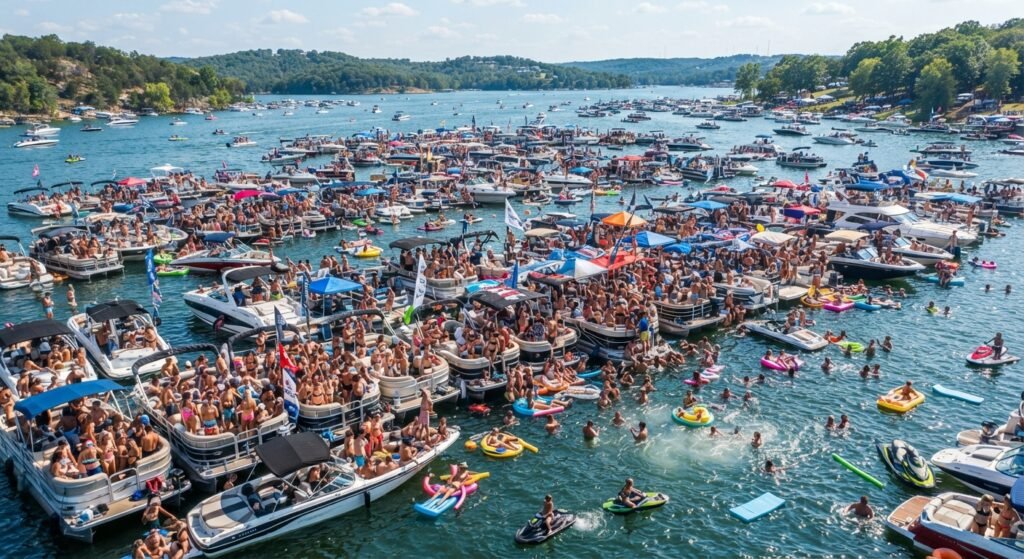
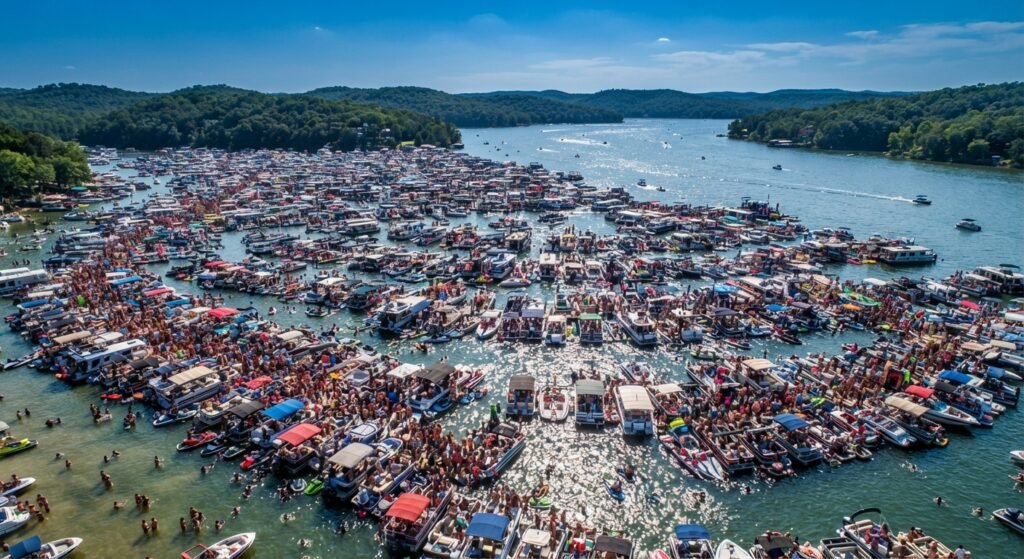
Your bachelorette boat day at Lake of the Ozarks is going to be photographed from every angle. You will be on the open water. You will be at Party Cove. You will be anchored in a beautiful cove with your closest friends. Every moment is a photo moment. What your group wears matters. Matching swimwear creates a cohesive, intentional look. It makes the bride stand out. It makes every group photo look polished and planned rather than random. And it makes the whole group feel like a unified, celebrated crew from the moment they step on board. This guide covers the best matching swimwear ideas for a Lake of the Ozarks bachelorette. It includes color palettes, style choices, accessories, and practical tips for looking great while staying comfortable on the water all day. Why Matching Swimwear Makes Your Bachelorette Photos Unforgettable Coordinated swimwear is not just a trend. It serves a real purpose on a bachelorette boat day. It creates visual clarity in photos. It tells the story of a group celebration instantly. And it makes the bride the clear focal point in every image. Photos taken on the water have a lot going on visually. There is the boat, the lake, the sky, and other vessels in the background. When a group wears mismatched swimwear in a dozen different colors and patterns, the eye does not know where to look. When the group coordinates, the composition immediately becomes cleaner. The bride in white stands out. The group creates a unified backdrop. Every photo tells the same story clearly. Matching swimwear also creates a shared experience. When everyone orders their swimwear together, there is anticipation and excitement in the weeks before the trip. Guests feel included and considered. The moment everyone puts on their coordinated looks at the lake house on the morning of the boat day is consistently one of the most joyful group moments of the entire weekend. It signals that the celebration is officially underway. For a Lake of the Ozarks bachelorette specifically, the matching swimwear look photographs beautifully against the blue water and summer sky of the lake. Whether you are anchored in a quiet cove, pulling into Party Cove, or cruising past the main channel near Osage Beach, coordinated swimwear elevates every image from a casual snapshot to something that looks genuinely editorial. The Golden Rule | Bride in White, Group in Color This principle is simple. It works without exception. The bride wears white. The rest of the group wears a coordinated color. This single decision solves the majority of your swimwear planning. White on the bride does three things simultaneously. It is immediately recognizable as bridal. It photographs brilliantly against every background, from blue water to green cove to golden sunset sky. And it creates natural contrast against any color the group chooses. You cannot go wrong with white for the bride. White one-piece swimsuits offer a clean, elegant look that photographs beautifully. They work well for brides who prefer more coverage on a day with a lot of activity, movement, and water time. A white one-piece with a plunging neckline or a tie-back detail gives a polished, intentional appearance without being overly conservative. White bikinis are the most popular choice and the most photographed look at Lake of the Ozarks bachelorette events. A white string bikini or a structured white bandeau gives the bride a fun, summer-appropriate look that transitions naturally between swimming, socializing at Backwater Jacks, and posing for group photos on the yacht. A simple white bikini photographs without distraction and keeps the bride’s face and accessories as the visual focus. White swimsuit coverups in lace, crochet, or sheer fabric add a bridal dimension to the overall look. Paired with a white swimsuit underneath, a lace coverup gives the bride an elevated, almost ethereal appearance on the boat that stands apart from the group without requiring any special effort. It also provides UV protection during long cruising portions of the day. The Best Color Palettes for Group Bachelorette Swimwear Choosing the right group color is the most creative decision in the swimwear planning process. The color should look beautiful against lake water, contrast well with the bride’s white, and suit the general aesthetic of the celebration. Hot pink is the most energetic and recognizable bachelorette color. It is vibrant, celebratory, and photographs with enormous visual impact against the blue water of Lake of the Ozarks. A group in hot pink bikinis surrounding a bride in white is an instantly understood bachelorette image. Hot pink reads as fun and unapologetically celebratory. It is the right choice for groups who want maximum visual energy in their photos. Sage green has become one of the most popular bachelorette swimwear colors in recent years. It is sophisticated without being boring. It photographs beautifully in natural light and works especially well against the green tree lines of the lake’s wooded coves. Sage green against white creates a fresh, organic color story that feels modern and stylish. This palette works particularly well for groups leaning toward a boho or garden theme. Coral is a warm, flattering option that suits a wide range of skin tones. It photographs warmly and beautifully in bright summer light. Against the blue water of Lake of the Ozarks, a coral group swimwear palette creates strong visual contrast. Coral also works naturally with tropical bachelorette themes. It suggests warmth, energy, and summer celebration without the intensity of hot pink. Dusty rose or blush is a softer, more romantic option for groups who prefer a subdued palette. Blush swimwear photographs beautifully in golden hour light and creates a dreamy, feminine aesthetic in photos taken during the sunset return cruise. This palette suits groups leaning toward an elegant, softly celebratory vibe rather than a high-energy party aesthetic. Cobalt blue or royal blue creates a nautical-inspired look that complements the lake setting naturally. Blue swimwear against blue water requires care with photography but works beautifully when the group is photographed against the sky, a

Luxury bachelorette lake house with private party dock and charter yacht at Lake of the Ozarks
Guides

Top Bachelorette Party Houses with Boat Docks at Lake of the Ozarks

Every great Lake of the Ozarks bachelorette weekend starts with the right house. The house is your home base. It is where the group wakes up together on the morning of the big boat day. It is where everyone gets ready before heading out. It is where the celebration continues after the charter returns to the dock. Getting the house right makes everything else better. A lake house with a private boat dock takes the experience to a completely different level. You wake up and the water is right there. Your charter can pick up and drop off directly from your dock in some cases. You can sit on the dock with your morning coffee and watch the lake wake up. You can end the night with your feet in the water under the stars. The dock is not just a convenience. It is a central part of the bachelorette experience. This guide covers everything you need to know about finding and booking the best bachelorette party houses with boat docks at Lake of the Ozarks. It covers what to look for, which areas of the lake offer the best options, how to evaluate a rental before booking, and how to pair your lake house with a private charter for a seamless, unforgettable weekend. Why a Private Dock Lake House Changes Everything Most bachelorette groups staying at Lake of the Ozarks book a standard vacation rental and then travel to a marina for their charter. That works. But a lake house with a private dock delivers a fundamentally different and better experience. Convenience is the first advantage. When you have a private dock, everything lake-related happens steps from your front door. Loading coolers onto the boat, setting up decorations before departure, and returning after a long day on the water all happen without a drive to a public marina. That convenience reduces stress and adds precious time back to your celebration. On a bachelorette weekend where every hour counts, eliminating unnecessary logistics is genuinely valuable. The dock itself becomes a celebration space. A well-equipped lake house dock offers seating, shade, and direct water access. Your group can spend Friday evening on the dock with drinks and music watching boats pass on the main channel. You can jump in for an evening swim. You can take sunset photos with the lake as your backdrop. The dock adds an entire dimension of outdoor living that a standard vacation rental simply cannot offer. Morning access to the water changes the energy of the whole weekend. There is something unique about waking up in a lake house, walking out to a private dock, and seeing the water still and quiet before the day begins. It sets a tone that no hotel pool or public beach can replicate. For a bachelorette group, that private morning moment together before the boat day begins creates memories and bonds that define the entire trip. Coordinating with your charter is easier. Some charter companies can arrange pickup and dropoff directly at private docks depending on location and water access. This means your group boards the vessel from your own dock rather than driving to a marina. That seamless beginning to the boat day creates an extraordinary first impression for the bride and the entire group. What to Look For in a Bachelorette Lake House with a Dock Not every lake house with a dock is equally suited for a bachelorette group. Knowing what to evaluate before booking saves you from disappointment and ensures the house matches the experience you are planning. Group capacity is the starting point. Bachelorette groups at Lake of the Ozarks typically range from 8 to 20 guests. Confirm the house comfortably sleeps your entire group. Read the sleeping arrangements carefully. A house listed as sleeping 16 may achieve that with two guests on pullout sofas and four sharing a single bathroom. Understand the actual sleeping quality and bathroom count before booking. Cramped sleeping arrangements and bathroom bottle-necks in the morning create unnecessary friction on a weekend that should feel luxurious and easy. The dock quality and water access matter enormously. Not all docks are equal. Some lake houses have a full party dock with seating, lighting, and covered areas. Others have a basic wooden platform with limited space. Look for photos of the dock specifically in the listing. Confirm whether the dock has adequate depth for your charter vessel if you plan to have your charter pick up from the property. A shallow dock area that cannot accommodate a tritoon or yacht requires you to arrange transportation to the marina regardless. Outdoor living space amplifies the experience. A large deck or patio connected to the dock area creates a natural outdoor living room for the group. Fire pit areas are popular for late evening gatherings after the boat day. Hot tubs at the water’s edge are among the most sought-after features for bachelorette rentals at the lake. A house with strong outdoor amenities allows the celebration to flow naturally between the water and the land throughout the weekend. Indoor amenities matter for the group experience. A large open-concept kitchen and living area allows the group to gather together comfortably. A kitchen island or dining table that seats the full group is important for shared meals. Multiple bathrooms reduce morning bottlenecks when everyone is getting ready for the boat day. A game room or entertainment area provides options for rainy periods or late-night socializing. These indoor features become the social infrastructure of your entire weekend. Location on the lake determines proximity to key destinations. Different arms and corridors of Lake of the Ozarks offer different experiences. A house located near the Osage Beach corridor places you close to the most active waterfront bars and entertainment. A house in a quieter arm like the Gravois Arm or Niangua Arm provides a more peaceful base with calmer water right at the dock. Consider what matters most to your group and match the house location to those priorities.

Flat lay of bachelorette boat trip packing essentials including sunscreen dry bag and custom cups for Lake of the Ozarks charter
Guides

What to Pack for a Lake of the Ozarks Bachelorette Boat Trip

A bachelorette boat trip at Lake of the Ozarks is one of the best celebrations a bride and her crew can experience. The open water, the summer energy, and the unforgettable moments make it a trip everyone talks about long after it ends. But a great day on the water requires preparation. Forgetting the right items can turn a perfect celebration into an uncomfortable afternoon. Packing too much creates clutter on a vessel where space is limited. Getting it right means knowing exactly what matters and what to leave behind. This guide gives you a complete, detailed packing list for a Lake of the Ozarks bachelorette boat trip. Every category is covered. Every essential item is explained. Read through this before your trip and share it with every guest so the whole group arrives prepared. Why Packing Smart Matters More on a Boat Than Anywhere Else Packing for a boat day is fundamentally different from packing for a beach vacation or a weekend getaway. Space on a charter vessel is shared. There is no extra room in a closet or a hotel bathroom. Everything your group brings lives on the boat with you for the entire day. Storage on a yacht is intentional but limited. Most charter vessels have designated storage compartments, cooler areas, and under-seat storage. These spaces fill up quickly with a group of 10 to 16 people all bringing personal bags, coolers, and celebration items. When guests overpack, the main deck becomes cluttered. Movement becomes difficult. The experience suffers. The lake environment demands specific items that you would not think to bring on a land-based trip. Sun exposure on open water is significantly more intense than on shore. Wind dries your skin faster. Water gets into everything. Heat builds quickly on a summer afternoon. The right items address these conditions directly. The wrong items create unnecessary weight and take up space better used for essentials. Forgetting critical items on a boat has real consequences. At a hotel, you can run to a nearby store. On the water, you are committed to the situation. No sunscreen means a serious burn. No motion sickness medication for a sensitive guest means a miserable afternoon. No dry bag means a ruined phone. Planning ahead eliminates all of these problems before they start. Sun Protection | Your Highest Priority Item Nothing ruins a bachelorette boat day faster than a group of sunburned guests. UV exposure on the water is intense. The sun reflects off the lake surface and hits you from below as well as above. This doubles your effective exposure compared to being on land. Sunscreen is the single most important item in your bag. Pack SPF 50 or higher for every guest. Broad-spectrum protection covering both UVA and UVB rays is essential. Pack more than you think you need. A group of 12 people on a full-day charter needs multiple full-size bottles to cover everyone through three to four reapplications throughout the day. Reef-safe formulas are the right choice near lake water. They protect your skin without introducing harmful chemicals into the environment. Mineral sunscreen sticks are excellent for face application on the water. They go on cleanly, do not run into eyes when you sweat, and stay on better through swimming. Pack one per guest or at minimum two to three for the group to share. Remind everyone to apply sunscreen to the tops of feet, backs of hands, and ears. These areas are consistently missed and consistently burned on lake days. UV-protective clothing provides better protection than sunscreen alone for long days on the water. Rash guards, lightweight long-sleeve coverups, and UV-blocking hats significantly reduce sun exposure during the hours when direct sunlight is strongest. Many guests underestimate how much they need these items until they have spent a full summer day on an open-deck charter. Pack them and use them during midday hours even if they feel unnecessary when you first board. Lip balm with SPF belongs in every guest’s personal bag. Lips burn quickly on the water and the burn is painful and slow to heal. A simple SPF 30 lip balm weighs almost nothing and prevents one of the most common and avoidable discomforts of a lake day. Polarized sunglasses are worth every penny on the water. Lake glare is intense and causes real eye strain over the course of a full day. Polarized lenses cut through that glare. They also help you see into the water more clearly. Every guest should have a pair. Bring a floating sunglass strap as well. Losing sunglasses overboard is a frustrating and avoidable experience. What to Wear | Outfits and Swimwear for the Bride and the Group What you wear on a bachelorette boat day matters for comfort, for photos, and for the overall celebratory aesthetic. Planning outfits in advance as a group creates a cohesive visual story that makes every photo better. The bride’s swimsuit should be white. White photographs beautifully against lake water, blue sky, and any decoration color scheme. It immediately identifies the bride in group photos. A white one-piece or bikini with a sheer white coverup creates a polished, bridal look that translates perfectly to the yacht environment. Add a bride sash, a custom veil attached to a hat, or a personalized coverup with her new name or wedding date for extra celebration impact. Bridesmaids and guests should coordinate in a complementary color. Matching swimsuits are not necessary. Matching colors are. A group where the bride is in white and everyone else is in hot pink, sage green, or coral creates a visually stunning result in every photo. Decide on the coordination color at least a few weeks before the trip so everyone has time to shop. Send a specific shade reference rather than just a color name to avoid mismatched interpretations of “blush” or “dusty rose.” Pack two swimsuit options per person. One swimsuit gets wet during the first swimming stop and stays wet. Having a second dry swimsuit to change into

Decorated bachelorette yacht at Lake of the Ozarks with tropical theme balloon garlands and custom banner on stern railing
Guides

Creative Bachelorette Boat Decoration Ideas for Yachts at Lake of the Ozarks

The decorations on your bachelorette yacht tell the whole story before anyone says a word. They set the tone the moment your group steps on board. They create the backdrop for every photo. They make the bride feel celebrated in a way that words alone simply cannot. Lake of the Ozarks is one of the best settings in the Midwest for a decorated bachelorette charter. The open water, the blue sky, and the energy of the main channel create a natural backdrop that makes every decoration look better. A well-decorated yacht at this lake is not just beautiful. It is memorable. It becomes the image that defines the entire celebration in photos and in memory. This guide covers the best bachelorette boat decoration ideas for yachts. It includes themes, specific decoration types, setup tips, and practical advice for keeping everything looking great on the water from morning through sunset. Start With a Theme | Why It Matters More on a Boat A theme ties everything together. Without one, decorations can feel mismatched. With one, even simple items feel intentional and polished. Choosing a theme before you buy a single decoration is the most important creative decision you will make. A theme also makes shopping easier. When you know your direction, every purchase is a yes or no decision. You stop second-guessing individual items and start building a cohesive look. Your photos will be consistent. Your color palette will be clear. The overall visual impact will be significantly stronger than a random collection of pink and gold items from different aisles. On a yacht specifically, a theme helps you use the space wisely. Yachts have railings, seating areas, a bow, a stern, and often a second level. A theme gives you a visual plan for how to use each of those spaces. It prevents the over-decorated areas and bare spots that happen when decoration is approached without a clear direction. Here are the themes that work best on the water and photograph most beautifully at Lake of the Ozarks. Tropical Bride is one of the most popular and visually stunning choices. Think lush palm leaf prints, hibiscus florals, bright pinks, oranges, and greens, and rattan accents. This theme photographs brilliantly against blue water and summer sky. It feels festive and playful without being overdone. Tropical themes also allow for rich, layered decoration that looks luxurious even at a moderate budget. Coastal Chic leans into the nautical setting without going full sailor. Navy, white, and gold are the core colors. Rope accents, anchor motifs, and subtle shell details complete the look. This theme feels elevated and sophisticated. It suits groups who want their yacht to look polished and editorial rather than flashy. The color palette also photographs cleanly in any lighting condition. Boho Garden is perfect for brides who love an organic, romantic aesthetic. Pampas grass, dried florals, earthy tones, fringe details, and soft terracotta and cream color palettes define this look. This theme has exploded in popularity over the past few years and translates beautifully to the boat setting. Against the natural backdrop of the lake and sky, a boho-styled yacht looks genuinely stunning. Bride in Paradise combines the tropical theme with luxury details. White orchids, gold accents, deep green foliage, and champagne tones create a high-end resort feel on the water. This theme is ideal for groups who want the yacht experience to feel as elevated as possible. It photographs like a destination wedding shoot. Classic Pink and Gold is timeless for a reason. Hot pink, blush pink, and gold work on any vessel in any season. This palette is easy to source, widely available, and immediately recognizable as a bachelorette celebration. For groups who want to keep things simple but impactful, pink and gold always delivers. The Essential Decoration Elements Every Bachelorette Yacht Needs Regardless of your theme, certain decoration elements are essential on every bachelorette yacht. These are the pieces that do the heavy lifting visually and photographically. A custom banner is the most important single decoration you will bring. Hang it along the stern railing or across the back of the boat where it faces the water. It appears in nearly every photo taken from the lake. A banner with the bride’s name and a phrase like “Last Sail Before the Veil” or “Mrs. To Be” is immediately recognizable and photographically compelling. Order it at least two to three weeks in advance. Custom banners from Etsy sellers are affordable and arrive ready to hang. Choose a font and color that matches your theme. Balloons add volume and visual height to any boat setup. On a yacht at Lake of the Ozarks, balloon arrangements along the railings create a festive, celebratory look that is visible from other boats on the water. Use Mylar balloons tied securely to railings and cleats rather than latex balloons. Mylar holds helium longer in outdoor heat and does not deflate as quickly in direct sunlight. Avoid loose helium balloons entirely. Wind on the water will release them within minutes. Balloon garlands made with air-filled balloons attached to a cord are a far better choice for outdoor boat decoration. They are wind-resistant, visually lush, and can be shaped to follow railing lines. Floral arrangements suited to the theme add texture and natural beauty to the yacht. Fresh flowers are stunning but wilt quickly in summer heat and lake humidity. High-quality silk florals or dried arrangements hold up all day without any maintenance. Dried pampas grass, preserved eucalyptus, and dried palm fronds are all excellent choices that look luxurious and require no care. Arrange them in waterproof containers and secure them with floral wire or cable ties to prevent wind displacement. A photo backdrop on the main deck creates a dedicated photography moment for the group. This can be a balloon arch positioned at the bow, a floral wall panel leaned against the cabin, or a custom printed fabric banner hung between two poles. The photo backdrop is where the most structured group shots

Bachelorette party group on decorated private yacht charter at Lake of the Ozarks with bride in white sash
Guides

Best Bachelorette Party Itinerary at Lake of the Ozarks

Lake of the Ozarks has earned its reputation as one of the top bachelorette destinations in the Midwest. It has the water. It has the energy. It has the bars, restaurants, and charter experiences that make a celebration feel genuinely special. Most importantly, it has a vibe that is hard to find anywhere else in Missouri. But a great bachelorette weekend does not happen by accident. It takes planning. The groups that have the most fun are the ones that thought through their itinerary in advance. They knew where they were going, how they were getting there, and what to expect at each stop. This guide gives you a complete bachelorette party itinerary for Lake of the Ozarks. It covers a full weekend from arrival to departure. Every recommendation here is built around maximizing fun, keeping the group comfortable, and making the bride feel celebrated every single moment. Why Lake of the Ozarks Is the Ultimate Bachelorette Destination Before diving into the itinerary, it helps to understand why so many brides choose this lake for their celebration. Lake of the Ozarks is not just a pretty body of water. It is an ecosystem built for group fun. The lake stretches across more than 1,150 miles of shoreline in central Missouri. It draws visitors from Kansas City, St. Louis, Chicago, and beyond every summer season. The infrastructure around the lake has grown to match that demand. There are hundreds of waterfront restaurants and bars. There are dozens of charter and rental companies. There are luxury lake houses available for rent right on the water. There are spas, boutiques, and entertainment venues that cater specifically to celebration groups. Party Cove is the most famous attraction for bachelorette groups. It is a designated gathering area where boats anchor side by side on summer weekends. The atmosphere is electric. Music, laughter, and lake energy combine into something that is genuinely unique to this destination. Pulling into Party Cove on a decorated charter with your closest friends is a moment that defines the entire trip. The waterfront bar scene is another major draw. Venues like Backwater Jacks and Shady Gators are legendary on the lake. They have boat-accessible docks. They have high-energy crowds. They serve strong drinks in an atmosphere that is made for celebration. Visiting them by boat as part of a charter itinerary is one of the most popular bachelorette experiences on the lake. Add in beautiful sunsets over open water, calm coves for swimming, and the option of a USCG-certified captain managing everything on the water while your group focuses on celebrating, and it is easy to understand why Lake of the Ozarks keeps rising on every bachelorette destination list. Friday | Arrival Day and First Night Out The best Lake of the Ozarks bachelorette weekends start on Friday. Arriving Friday afternoon gives the group a full two days of activity without rushing. It also gives everyone time to settle in before the big boat day on Saturday. Early afternoon arrival and lake house check-in sets the tone immediately. Book a lake house with direct water access if your budget allows. Waking up on Saturday morning with the lake right outside the door is a completely different experience from staying at an inland hotel and driving to the water. Many lake house rentals on platforms like Airbnb and VRBO offer private docks, outdoor spaces, and all the amenities a bachelorette group needs. Book well in advance, especially for peak summer weekends. Afternoon setup and welcome activities are the first shared experience of the trip. Unpack the decorations and make the space feel like a bachelorette celebration immediately. Set out the welcome bags or totes if you prepared them. Get the group into the weekend headspace. A few lawn games, a welcome toast, and a group photo in front of the lake house are the perfect low-key start to the weekend. Early evening dinner at a waterfront restaurant is the first real outing of the trip. Shorty Pants Lounge, Coyote’s Cantina, and Old Kinderhook Resort are solid dinner choices with good food, great lake views, and atmospheres that welcome celebration groups. Make a reservation in advance. Waterfront restaurants on busy summer weekends fill up fast. A party your size showing up without a reservation risks a long wait or no table at all. Friday night out in Osage Beach or the Lake Ozark strip rounds out the first evening. The lake has a lively nightlife scene concentrated around the Osage Beach corridor. Bar hopping on foot or in a hired car service keeps the group together and eliminates any driving concerns. Friday night is the warm-up. It sets the energy for the main event on Saturday without exhausting anyone before the big boat day. Saturday Morning | The Boat Day Begins Saturday is the centerpiece of the entire weekend. Everything else builds around it. A full-day private charter with Yacht Rental Lake Ozark is the experience that makes a Lake of the Ozarks bachelorette weekend truly unforgettable. Wake up early and eat a real breakfast. This sounds simple. It is actually critical. A full day on the water in summer sun requires energy and a solid food foundation. Prepare breakfast at the lake house if possible. A hot meal together before the day begins also gives the group a calm, bonding moment before the excitement ramps up. Arrive at the charter dock 15 to 20 minutes before departure. This gives everyone time to load coolers, apply sunscreen, find their seats, and get comfortable before the captain begins the safety briefing. Rushing onto a boat at the last minute creates stress that carries into the first hour of the trip. A calm, organized departure sets the right tone. Your USCG-certified captain will give a full safety briefing before leaving the dock. Pay attention. This briefing covers life jacket locations, emergency procedures, and rules for the vessel. It takes only a few minutes and ensures everyone on board understands how to stay safe throughout

Bachelorette boat decorations with custom banner and welcome totes on a tritoon charter at Lake of the Ozarks
Guides

How to Plan the Ultimate Bachelorette Boat Day at Lake of the Ozarks

Lake of the Ozarks is one of the best places in the Midwest to celebrate a bachelorette party. The lake has everything. It has beautiful open water. It has lively waterfront bars and restaurants. It has stunning scenery perfect for photos. And it has a party culture that is built for groups who want to celebrate in style. A bachelorette boat day at Lake of the Ozarks is not just a trend. It is quickly becoming the go-to celebration for brides across Missouri, Kansas, Illinois, and beyond. When you combine a private charter, great food, cold drinks, and a group of your closest friends on the open water, the result is something genuinely unforgettable. This guide walks you through exactly how to plan it. From choosing the right boat to building the perfect itinerary, every detail is covered here. Why Lake of the Ozarks Is Perfect for a Bachelorette Boat Day Not every lake can pull off a bachelorette celebration this well. Lake of the Ozarks has a unique combination of features that makes it ideal. The lake spans over 1,150 miles of shoreline. It has calm coves for swimming and anchoring. It has a main channel full of energy and activity. It has waterfront venues that welcome boats directly to their docks. And it has a thriving charter and rental industry that caters specifically to celebration groups. Party Cove is the most famous spot on the lake. It draws hundreds of boats on summer weekends. The energy there is unmatched. Boats anchor side by side. Music plays from multiple vessels at once. It is the kind of place that feels made for celebrating. For a bachelorette group, pulling into Party Cove on a decorated charter yacht is an experience that generates memories and photos for years. Beyond Party Cove, the lake offers waterfront bars and restaurants that you can visit by boat. Backwater Jacks and Shady Gators are two of the most popular stops for groups. Both have docks where your captain can pull up directly. You step off the boat, enjoy the venue, and reboard when you are ready to move on. This floating bar crawl format is one of the most popular bachelorette itineraries on the lake. The presence of USCG-certified captains available through professional charter services means your group never has to worry about who is driving. Everyone celebrates. The captain handles everything on the water. Choosing the Right Boat for Your Bachelorette Group The boat you choose sets the tone for the entire day. It determines how many guests you can bring, how comfortable the experience is, and what kind of amenities you have access to throughout the trip. Tritoon boats are the most popular choice for bachelorette groups at Lake of the Ozarks. They offer wide, stable decks with plenty of seating. They handle the main channel well even when conditions get a little choppy. Most tritoons accommodate groups of 10 to 16 people comfortably. The open layout makes socializing easy. There is room to move around, dance, take photos, and set up a decorated space for the bride. Tritoons also have shaded areas and onboard speakers, which matters enormously on a full day out on the water. Private yacht charters are ideal for groups who want a more elevated experience. Yachts offer additional amenities, more shade, better seating configurations, and a more polished feel overall. If the bride values luxury, or if the group wants something that stands out even on a busy lake day, a private yacht charter is the right call. The visual impact of arriving at Party Cove or a waterfront bar on a beautifully presented yacht is hard to replicate with any other vessel type. Group size matters most when choosing your vessel. A smaller, intimate group of 8 to 10 people may find a tritoon more than sufficient. A larger group of 15 to 20 needs more space. Speak with the team at Yacht Rental Lake Ozark about your group size and priorities. They will match you with the right vessel for your specific celebration. Getting this decision right makes everything else easier. Charter duration is the other key variable. A half-day charter typically runs four to five hours. A full-day charter gives you seven or eight hours on the water. For a bachelorette celebration, a full-day charter almost always makes more sense. It gives you time to anchor and swim, visit multiple waterfront stops, enjoy a sunset, and build a full day of memories without feeling rushed. Many groups who book half-day charters wish afterward that they had booked the full day. Building Your Bachelorette Boat Day Itinerary A great itinerary balances activity with relaxation. It leaves room for spontaneity while making sure the most important moments happen. Here is a framework that works exceptionally well for bachelorette groups at Lake of the Ozarks. Morning departure sets the best foundation for the day. Launching by 10 AM gives your group the full lake experience. Morning water is typically calmer. The main channel is less congested. Your captain can find a beautiful spot for an early anchor and swim before the crowds arrive. Starting the day in a quiet cove with the whole lake in front of you is a memorable moment for the group. Mid-morning swim and photos are the first real activity of the day. Choose an anchoring spot with your captain’s guidance. Set up the boat with your decorations fully visible. Take group photos with the bride. Swim off the back. Break out the welcome drinks and snacks. This relaxed, celebratory hour sets the energy for everything that follows. Early afternoon waterfront bar stop is where the day picks up momentum. Backwater Jacks and Shady Gators are the classic choices. Both have high-energy atmospheres, great drink menus, and docks that welcome charter groups. Your captain will time the approach perfectly. Plan to spend 60 to 90 minutes at each stop. That is enough time to enjoy the venue without losing the energy of the

Aerial view of a quiet arm at Lake of the Ozarks showing shallow light water near shoreline and deeper water in center
Guides

How to Spot Underwater Hazards in Quiet Arms at Lake of the Ozarks

The quiet arms of Lake of the Ozarks are some of the most beautiful stretches of water in Missouri. They offer calm water, stunning scenery, and a peaceful escape from the busy main channel. But these same quiet areas carry some of the highest risks for underwater hazards. The water looks calm on the surface. What lies beneath is a different story entirely. Submerged stumps, rock ledges, sandbars, and shallow shelves hide in these arms. They have ended boating trips, damaged hulls, and bent propellers for decades. Knowing how to read the water and recognize warning signs before you reach a hazard is one of the most valuable skills any boater can develop on this lake. This guide gives you everything you need. It covers why quiet arms are more hazardous, how to read water visually, what tools help you navigate safely, and how experienced captains manage these challenges every single day. Why Quiet Arms Hide More Hazards Than Open Water It might seem counterintuitive. The busiest parts of the lake feel more dangerous. But the quiet arms of Lake of the Ozarks actually concentrate underwater hazards in ways the main channel does not. The lake was created by flooding. When Bagnell Dam was completed in 1931, the rising water covered an entire landscape. Forests, farmland, roads, and structures all went underwater. The main channel was dredged and maintained over time. The quiet arms were not. What was once dry land with trees, rock formations, and uneven terrain became the lake bottom. Much of that original terrain is still there. Stumps are everywhere in the arms. Trees were cut before the water rose, but root systems and low stumps remained. Over decades, some have deteriorated. Others remain solid just below the surface. In shallow arms, these stumps sit close enough to the surface to catch a propeller or crack a hull. They are invisible from the surface on a calm day. Only discoloration, turbulence, or experience reveals their location. Water levels change constantly. Lake of the Ozarks is a managed reservoir. The Army Corps of Engineers and Ameren Missouri control water levels throughout the year. Winter drawdowns lower the lake significantly. Spring refill raises it. Summer levels fluctuate with rainfall and management decisions. A rock shelf that sits safely below your hull at full pool can be a collision risk when the lake drops just two feet. Boaters who learned an arm at one water level can still find hazards when levels shift. Sedimentation builds shallow areas over time. Silt and organic material settle in the slower-moving water of quiet arms. This gradually builds up the bottom in certain areas. A spot that was five feet deep ten years ago may now be three feet deep. Charts and maps can become outdated. Local knowledge and real-time observation remain the most reliable tools available. Boat traffic does not clear the way for you. On the main channel, heavy traffic through consistent paths keeps common routes relatively predictable. In quiet arms, there is no such clearing effect. You may be the first boat through a particular section on any given day. There is no guarantee that the path ahead is clear. Reading the Water Surface | What to Look For Your eyes are your first and most powerful hazard detection tool. Learning to read the surface of the water accurately can prevent most hazard encounters in quiet arms. Water color tells you a great deal about depth. Deep, open water appears dark blue or dark green on a clear day. As depth decreases, the color shifts. Lighter green water typically indicates shallower depth. Yellow-green or brown-tinted water near a shoreline or cove entrance is a strong warning sign. The lighter the color, the shallower the water and the more cautious you should be. Flat spots in moving water signal something beneath the surface. When water flows over a submerged object, it creates a slight disturbance on the surface. You may see a small ripple, a swirl, or a flattened patch that does not match the surrounding water texture. These subtle signs are easy to miss at speed. Slowing down dramatically increases your ability to spot them before you reach them. Discoloration around stumps is often visible. A submerged stump creates a slightly darker circle or shadow on the lake bottom that you can sometimes see through the water. In clear, shallow water, this shadow appears as a brownish or dark spot below the surface. It may not look exactly like a stump. It looks like something is there. That is enough of a signal to steer around it. Debris on the surface indicates shallow or active bottom areas. Floating sticks, bark fragments, and vegetation near the surface often come from the bottom in shallower sections. When you see organic debris gathering on the surface in a particular area, it suggests that the bottom is not far below. Treat that area with caution until you have confirmed the depth. Bird behavior can indicate shallow water too. Herons, egrets, and other wading birds stand in shallow water. If you see birds standing in what appears to be open water, that area is extremely shallow. Steer well clear of any area where birds are standing on what looks like the lake surface. Using Depth Finders, Charts, and Navigation Tools Visual reading of the water is essential. But it works best when combined with the right tools. Experienced boaters and captains use several resources together to stay safe in quiet arms. A quality depth finder is one of the most important tools on any boat. Modern depth finders display real-time bottom readings as you move through the water. They show you the depth directly below your hull at any given moment. Some advanced units display a cone of depth readings around the vessel. A depth finder will not show you what is ahead of you, but it gives you continuous awareness of what is directly below. If the numbers are dropping fast, you slow down

Aerial view of Osage Beach commercial docks and marina facilities along Lake of the Ozarks shoreline
Guides

Guide to Boating Safety Around Commercial Docks at Lake of the Ozarks

Lake of the Ozarks is one of the most popular boating destinations in the Midwest. It draws millions of visitors every summer. With all that activity comes a lot of boat traffic near commercial docks, marinas, and waterfront businesses. Knowing how to navigate these areas safely is essential. It protects you, your passengers, dock workers, and other boaters. This guide covers everything you need to know about boating safely around commercial docks at Lake of the Ozarks. Whether you are on a private yacht charter or piloting your own vessel, these rules and tips apply directly to you. Why Commercial Dock Areas Demand Extra Attention Commercial docks are busy places. They handle fuel stops, boat rentals, restaurant arrivals, and charter departures all at once. The activity level near these docks is significantly higher than in open water. Foot traffic near the water’s edge is constant. Dock workers move quickly between boats. Guests board and disembark. Children sometimes run on docks. All of this happens close to moving water. A wake from a passing boat can throw someone off balance in seconds. Boat congestion is another major factor. Multiple vessels enter and exit dock areas at the same time. Some boats are moving slowly. Others are repositioning. Captains are watching multiple things at once. In this environment, predictable, slow, and deliberate movement is the only safe approach. The commercial dock areas around Osage Beach, the Gravois Arm, and the Niangua Arm see some of the heaviest traffic on the lake. Understanding the dynamics of these specific zones will make you a safer and more confident boater in all of them. No-Wake Zones Near Commercial Docks | What You Need to Know No-wake zones are the single most important rule to understand near commercial docks. These zones exist specifically to protect people and property in high-activity areas. A no-wake zone means your vessel must travel at the slowest possible speed that still allows steerage. It does not mean slow. It means minimal. Your boat should produce little to no visible wake at this speed. Most experienced boaters travel between 5 and 7 miles per hour in these zones. Signs and buoys mark no-wake zones throughout the lake. Orange and white buoys are the most common indicators. Pay attention to their placement. The boundary of a no-wake zone is where the buoys begin, not where the dock structure starts. Many boaters make the mistake of slowing down too late. Violating a no-wake zone near a commercial dock carries real consequences. Missouri State Highway Patrol Water Division actively enforces these rules on Lake of the Ozarks. Fines are issued regularly. More importantly, a wake in a restricted area can damage docked boats, injure dock workers, and create dangerous conditions for swimmers near shore. Camden County and surrounding jurisdictions take dock safety seriously. If you are unsure whether a zone is restricted, slow down before you reach it. Caution costs nothing. A fine or an accident costs a great deal more. Approaching and Departing Commercial Docks Safely How you approach and leave a commercial dock matters just as much as how fast you travel. Poor technique causes most dock-related incidents on the lake. Slow down well before you reach the dock. Do not wait until you are close to reduce speed. Begin your approach from a distance. Give yourself room to adjust. The more time you have, the more control you maintain. Communicate your intentions. If your vessel has a horn, use it when appropriate. Make eye contact with dock workers when possible. A simple hand signal indicating where you intend to tie up prevents confusion. Dock workers appreciate when captains are clear and deliberate. Approach at an angle, not head-on. A slight angle allows you to pivot the stern toward the dock as you slow. This gives you more control during the final approach. Coming in straight at speed leaves you little room to correct if something changes. Account for wind and current. Wind at Lake of the Ozarks can shift quickly. Current near dock areas varies depending on water levels and nearby boat traffic. Always factor these in before committing to your final approach angle. Experienced captains assess wind direction the moment they begin their approach. When departing, check your surroundings before engaging the throttle. Look for swimmers, kayakers, paddleboarders, and other vessels. Announce your departure to dock staff when possible. Back out slowly before turning. Sudden forward movement from a dock can create dangerous wash in tight spaces. Right-of-Way Rules in Dock Areas and Marinas Understanding right-of-way is critical near commercial docks. Confusion about who has priority leads to close calls and collisions. Vessels leaving a dock have less priority than vessels already underway. If a boat is moving through a channel, a departing vessel should wait for a clear opportunity before pulling out. Do not assume the moving vessel will yield to you. Vessels entering a marina travel slower and have less maneuverability. Boats already inside a marina or dock area typically have the right of way over those entering. Give inbound vessels room to complete their approach before you begin yours. Powered vessels yield to human-powered craft in close quarters. Kayaks, canoes, and paddleboards are common near commercial docks, especially near restaurants and waterfront attractions. These craft are quiet and can appear quickly. Always scan for them before moving. USCG regulations apply on all navigable waters including Lake of the Ozarks. The Inland Navigation Rules govern right-of-way in all situations. When in doubt, yield. Being cautious does not slow you down meaningfully. It does prevent accidents. Your USCG-certified captain on a Yacht Rental Lake Ozark charter knows these rules completely. They apply them every time they enter or exit a dock area. Watching an experienced captain work a commercial dock is one of the best ways to understand how it should be done. Fuel Dock Safety | A Separate Set of Rules Fuel docks at Lake of the Ozarks require extra attention. They are active, congested, and carry specific

Aerial view of the 21 mile marker area at Lake of the Ozarks with boats navigating open water
Guides

Understanding the Wave Action at the 21 Mile Marker on Lake of the Ozarks

If you have spent any time boating on Lake of the Ozarks, you already know the water can change quickly. One stretch that gets a lot of attention from boaters is the area near the 21 mile marker. It is a spot where wave action can become intense, unpredictable, and even challenging for first-time visitors. Understanding what happens here can make your day on the water safer and more enjoyable. This guide breaks down everything you need to know about wave conditions at this location. Whether you are planning a private yacht charter, a family outing, or a weekend cruise, knowing the 21 mile marker will help you prepare better. What Makes the 21 Mile Marker So Unique The 21 mile marker sits in one of the busiest corridors of Lake of the Ozarks. This section of the lake is wide and open. It sees some of the heaviest boat traffic on the entire lake. That combination creates wave conditions that are different from most other areas. The lake here is a large reservoir shaped by the Bagnell Dam. The geography funnels wind and wake energy into certain zones. The 21 mile marker is one of those zones. Waves coming from multiple directions can collide at this point. That creates what boaters call confused seas. The water does not move in one consistent direction. It comes from multiple angles at once. This is not dangerous if you know what to expect. But it can surprise boaters who are not prepared. The key is understanding why the waves form and how to handle them confidently. Why Wave Action Builds Up in This Area Several factors work together to create strong wave action near the 21 mile marker. Each one plays a role. When they combine on a busy summer day, the water can get quite rough. Boat traffic is the first and most obvious factor. Lake of the Ozarks draws millions of visitors every year. The stretch near the 21 mile marker is a popular route. Pontoon boats, speedboats, and large charter vessels all pass through this corridor regularly. Every boat creates a wake. Those wakes spread outward and mix with wakes from other boats. The result is a constantly churning surface. Wind direction matters just as much. The lake runs in long, curved arms. Wind traveling along those arms has a long fetch. Fetch is the distance wind travels over open water before reaching a given point. A longer fetch means larger waves. When the wind blows from a direction that aligns with the main channel near the 21 mile marker, wave heights can increase noticeably even on what looks like a calm day. Cove and channel intersections also play a role. Several coves and smaller channels meet near this area. When wind-driven waves from one direction hit currents or waves from another, they amplify each other. This is what creates the choppy, confused conditions that boaters experience. Time of day matters too. Mornings on the lake are typically calmer. Wind speeds rise through the afternoon. By midday and into the late afternoon, conditions near the 21 mile marker are usually at their roughest. If you are looking for smoother water, an early morning charter is often the better choice. How Wave Conditions Affect Your Boating Experience Understanding wave action is not just about safety. It also affects comfort, fuel consumption, and how much fun you have on the water. On a private yacht charter, your USCG-certified captain is trained to read water conditions. They will adjust speed, change course, and find the smoothest path through rough sections. But even with an experienced captain, passengers should be prepared for movement. Holding your drink, staying seated during heavy chop, and being aware of your footing are all part of boating on an active lake. Smaller vessels feel waves differently than larger yachts or tritoons. A smaller boat will ride up and over individual waves. A larger, heavier vessel cuts through them with less motion. This is one reason many guests prefer a tritoon rental or yacht charter when they plan to spend time near busier stretches of the lake. The stability is noticeably better. Wave action also affects swimming and anchoring. If you plan to anchor and swim near the 21 mile marker, be aware that persistent wave action can make the swim ladder harder to use. Wakes from passing boats can arrive in quick succession. Always swim with a life jacket in open water situations, and make sure someone remains on board while others are in the water. Seasonal and Weekly Patterns to Know Before You Go Wave conditions at the 21 mile marker are not the same every day. They follow clear patterns based on the season, day of the week, and time of day. Summer weekends are the most intense. Holiday weekends around Memorial Day, Fourth of July, and Labor Day push boat traffic to its highest levels. These are the days when the 21 mile marker sees the most concentrated wake energy. Boaters who prefer calmer conditions often choose weekday departures during these holiday windows. Spring and fall bring different conditions. Fewer boats are on the water. However, wind speeds are often higher in spring. Fall days can bring gusty northwest winds that push waves up the main channel. The wave action during these seasons is driven more by weather than by boat traffic. Early morning hours, typically before 10 AM, offer the most manageable conditions on any given day. The wind has not built up yet and most boat traffic is still launching. If your charter departs early, your transit through busier corridors will be noticeably smoother. Afternoon thunderstorms are common in the Lake of the Ozarks region during summer. Storms build quickly and can change wave conditions from manageable to dangerous within minutes. Your captain will monitor weather closely. If conditions deteriorate, adjusting the route or finding sheltered water is always the right call. Navigating the 21 Mile Marker Safely Safe navigation near the

Yachts and boats docked at popular Lake of the Ozarks restaurant busy weekend afternoon
Guides

How to Dock a Twin Engine Yacht at a Lakefront Restaurant

Pulling up to a lakefront restaurant by boat is one of the best experiences Lake of the Ozarks has to offer. You cruise up to the dock, tie off, step ashore, and walk straight into lunch or dinner with a great view of the water behind you. It feels effortless when it is done right. But docking a twin engine yacht at a busy lakefront restaurant takes real skill. The docks are often crowded. Other boats are coming and going constantly. Wind and current can push your vessel off your intended line at any moment. One small mistake in a tight dock can mean a scrape, a collision, or an embarrassing moment in front of a full restaurant crowd. This guide covers everything you need to know about docking a twin engine yacht at a lakefront restaurant at Lake of the Ozarks. Whether you are new to twin engine handling or just want to sharpen your skills before a big lake trip, this is your complete practical guide. Understanding Your Twin Engine Advantage A twin engine yacht gives you a docking advantage that a single engine vessel simply does not have. Two engines mean two independent thrust points. You can push the bow left while the stern goes right. You can spin the boat almost in place. You can hold your position against wind or current without using the helm at all. This level of control is what makes twin engine yachts so well suited for tight dock situations. Lakefront restaurants at Lake of the Ozarks often have busy, compact docking areas. Boats are packed in closely on summer weekends. The ability to maneuver precisely in small spaces is not just a convenience. It is a genuine safety advantage. The key to using twin engines effectively is understanding how they interact. Running both engines forward moves the boat straight ahead. Running one forward and one in reverse spins the boat around its center point. This is called a pivot turn. It is the foundation of almost every tight docking maneuver a twin engine yacht will ever perform. Practicing this movement in open water before you approach a crowded dock is always the right preparation. Understanding your yacht’s prop walk is also important. Each propeller pulls the stern slightly to one side when in reverse. On a twin engine setup, these forces can work together or against each other depending on your engine inputs. Knowing how your specific vessel responds to reverse thrust from each engine separately gives you much better predictive control during the final moments of any dock approach. Reading the Dock Before You Approach Never rush a dock approach at a lakefront restaurant. Always take a full pass by the dock before you commit to docking. This is called a reconnaissance pass and experienced captains do it every single time. It gives you critical information that you cannot get from a distance. During your pass, look at the available space. Identify exactly where you plan to land. Note which direction the wind is blowing and how it will affect your vessel during the approach. Check for any obstacles like floating debris, shallow areas near the dock edge, or mooring lines from other boats that extend into your intended path. Look at how other boats are positioned and whether any are preparing to leave. Wind direction is the single most important environmental factor in any dock approach. At Lake of the Ozarks, afternoon winds typically build from the south or southwest during summer months. Wind pushes your hull sideways as you slow down. A slower boat reacts more strongly to wind because engine thrust is reduced. Understanding how the wind will move your yacht during those final slow moments before contact is essential planning. Current matters less at Lake of the Ozarks than at tidal waterways, but it does exist near certain areas and during high water periods. Check for any visible current movement near the dock pilings before you approach. Even a mild current against your bow or beam changes the docking calculation. Knowing about it in advance lets you compensate rather than react. Look at the dock cleats and tie-up points from your reconnaissance pass. Know exactly where your bow and stern lines will go before you begin the approach. Having your dock lines ready, your fenders deployed, and your crew briefed before you start the final approach eliminates confusion during the most critical phase of the maneuver. Step by Step Docking Technique for a Twin Engine Yacht The actual docking sequence for a twin engine yacht at a lakefront restaurant follows a clear and repeatable process. Following each step carefully gives you consistent and controlled results every time. Step one is your approach angle. Come in at a 30 to 45 degree angle toward the dock. This angle gives you control over both the bow and stern simultaneously. A too-shallow angle makes it hard to bring the stern in. A too-steep angle puts the bow at risk of contact with the dock or neighboring vessels. Step two is speed management. Reduce your speed well before you reach the dock. You want to be moving at a very slow walking pace by the time you are within one boat length of your target. Excess speed is the cause of most docking accidents. A twin engine yacht can always be nudged forward with a brief burst of throttle if needed. Coming in too fast cannot be undone once you are committed to the approach. Step three is pivot control. As your bow nears the dock, use a burst of reverse on the outside engine to swing the stern toward the dock. This is where your twin engine advantage becomes fully apparent. A short burst of reverse on one engine while the other stays neutral or briefly forward rotates the boat smoothly into position. Practice knowing exactly how long a burst is needed on your specific vessel to achieve the desired pivot. Step four is stopping the boat.

Scroll to Top