Guides

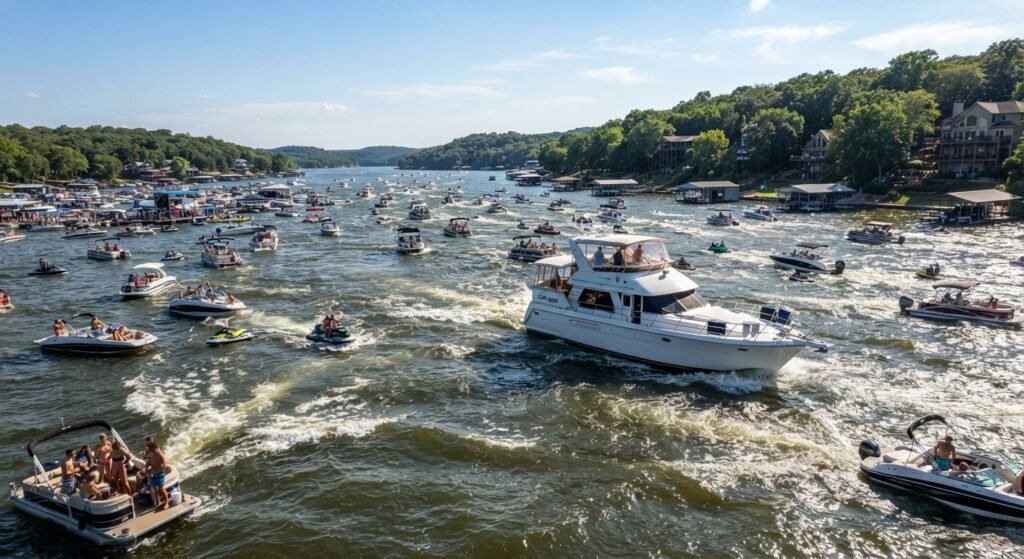
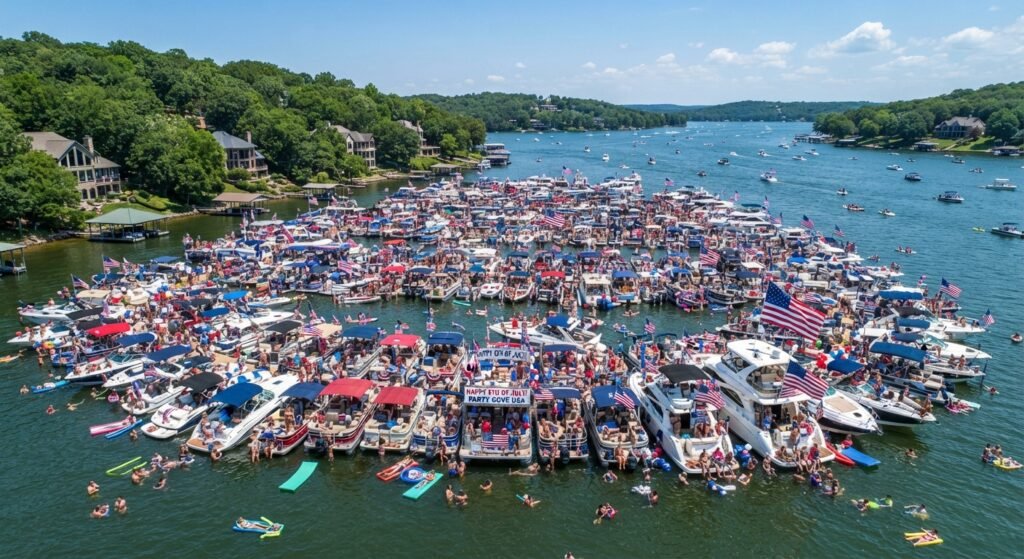
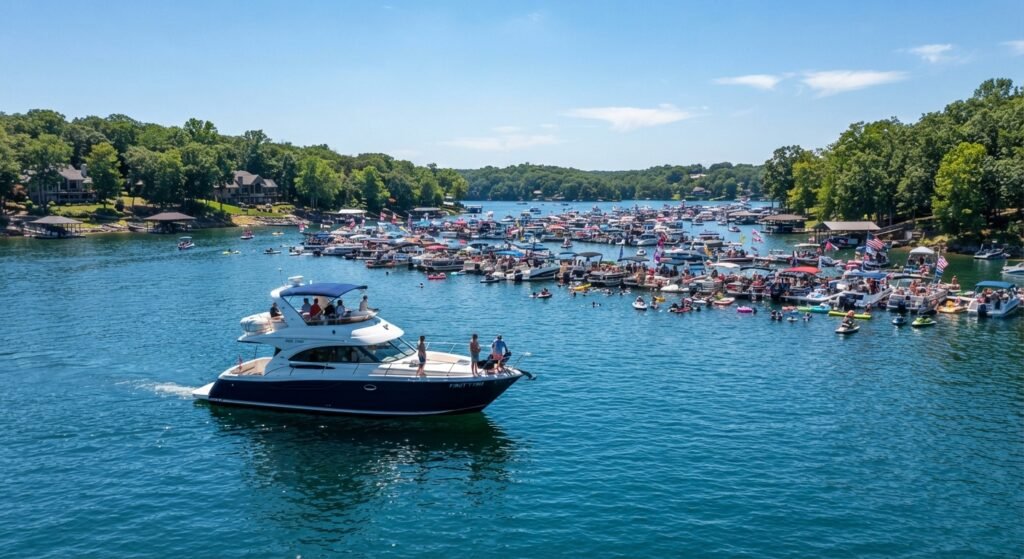
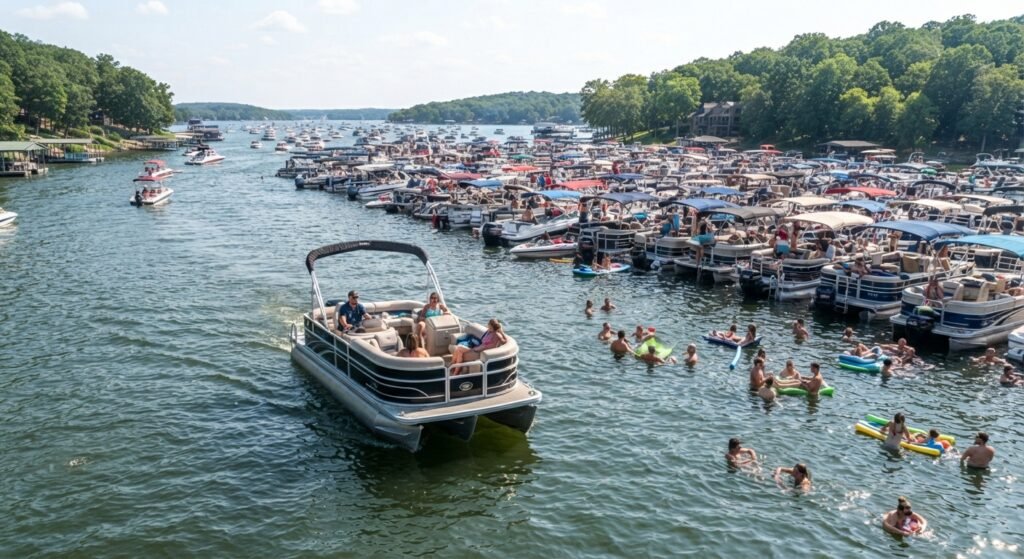
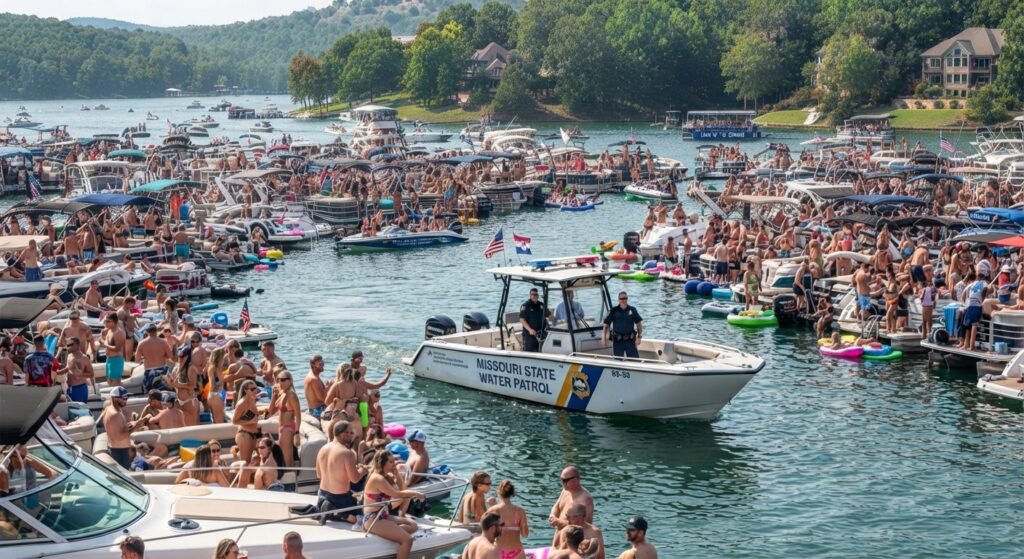
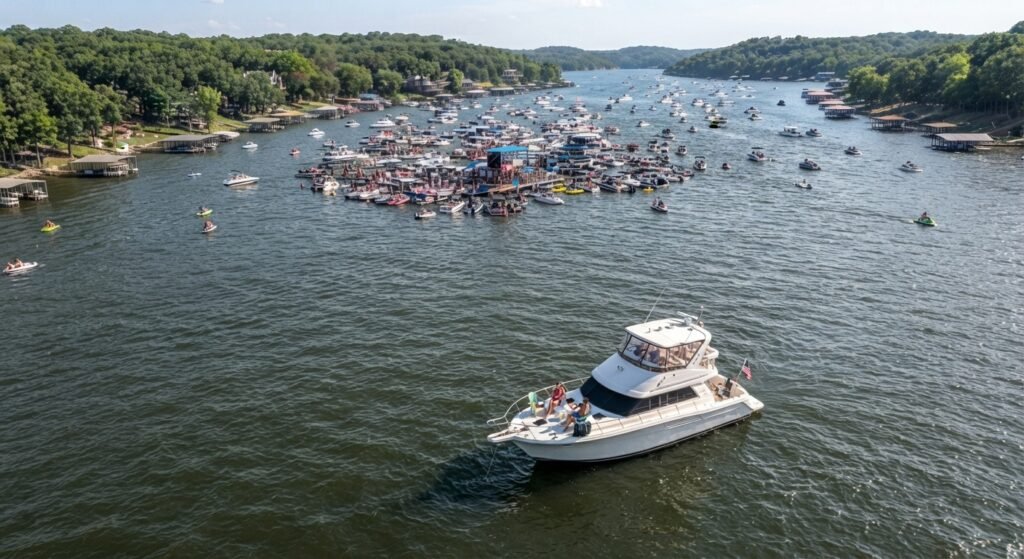
Aerial view of Lazy Gators waterfront bar Lake of the Ozarks boats docked summer weekend
Guides

Distance Between Lazy Gators and Backwater Jacks by Boat

Lake of the Ozarks is famous for its waterfront bars and restaurants. Two of the most popular destinations on the entire lake are Lazy Gators and Backwater Jacks. Both spots draw huge crowds every summer weekend. Both are accessible directly by boat. And for many visitors, making the trip between the two is one of the highlights of any Lake of the Ozarks experience. If you are planning a day on the water and want to visit both spots, knowing the distance and route ahead of time makes everything easier. This guide covers exactly how far it is between Lazy Gators and Backwater Jacks by boat. It also covers the best route, what to expect along the way, how long the trip takes, and how a yacht charter at Lake Ozark makes the whole experience smoother and more enjoyable. Where Lazy Gators and Backwater Jacks Are Located Before talking distance, it helps to understand where each spot sits on the lake. Lazy Gators is located on the main channel of Lake of the Ozarks. It sits in the Osage Beach area and is one of the most recognizable waterfront bars on the lake. It has a large dock where boats can tie up directly. The atmosphere is lively, the crowds are big on weekends, and it is a go-to stop for anyone doing a lake bar crawl. Backwater Jacks is also a well-known waterfront destination at Lake of the Ozarks. It sits further along the main channel and is known for its large outdoor deck, live music, and direct boat access. It has been a staple of the Lake of the Ozarks social scene for many years. Both locations are landmarks that most regular visitors to the lake know well. These two spots are among the most talked-about waterfront destinations on LOTO. Visiting both in a single afternoon is a popular goal for groups renting boats or booking charters on the lake. Understanding the route between them is the first step in planning that kind of day successfully. The Distance and Travel Time Between the Two The distance between Lazy Gators and Backwater Jacks by boat is approximately 4 to 5 miles along the main channel of Lake of the Ozarks. This is not a long trip by any measure. At a comfortable cruising speed, the journey takes roughly 15 to 25 minutes depending on your vessel and the traffic conditions on the water. On a calm weekday morning, you can make the trip smoothly and quickly. On a busy Saturday afternoon in July, the same route takes longer. Heavy boat traffic on the main channel means slower speeds in certain areas. Wake zones near docks and marinas also require you to slow down significantly. Planning for extra time on holiday weekends is always the smart approach. The route between the two follows the main channel of Lake of the Ozarks. It is a straightforward path with no complex navigation required. The channel is well-marked with buoys. As long as you follow the markers and stay alert to other boat traffic, the trip is easy to complete. That said, the main channel on a busy weekend afternoon sees some of the heaviest boat traffic on the entire lake. Staying aware and keeping your speed appropriate for conditions is important throughout the journey. Water conditions between these two stops can vary. The main channel is open and exposed to wind. On afternoons when the wind picks up from the south or west, the water between Lazy Gators and Backwater Jacks can develop a noticeable chop. A larger vessel handles this much better than a small boat. This is one of the reasons many groups choose a yacht charter for a day that includes multiple waterfront bar stops on the main channel. What to Expect Along the Route The route between Lazy Gators and Backwater Jacks takes you through one of the most active stretches of Lake of the Ozarks. This section of the main channel is surrounded by marinas, waterfront properties, restaurants, and boat docks. There is always something to see as you cruise between the two destinations. You will pass by several other notable spots along the way. Shady Gators is another well-known waterfront bar that sits in this general area of the lake. Some groups add it as a stop between Lazy Gators and Backwater Jacks to make a full afternoon out of the route. The area around Osage Beach and the main channel near the 4 mile marker is particularly busy during summer weekends. Keeping a steady and safe speed through this section is important. The scenery along this stretch is classic Lake of the Ozarks. You see large waterfront homes, busy docks, boat traffic in every direction, and the wide open main channel stretching ahead of you. It is a lively and energetic environment. It captures the social side of the lake perfectly. For groups who love being in the middle of the action, this route delivers exactly that kind of experience. Dock space at both Lazy Gators and Backwater Jacks can fill up quickly on busy weekends. Arriving early at each stop helps you secure a good spot. Some groups send someone ahead to hold dock space while others manage the boat. Having a USCG-certified captain on board is helpful here because they know the dock layouts and the best approach angles for tying up at each location efficiently. Making the Most of a Bar Crawl Between Both Spots Visiting Lazy Gators and Backwater Jacks in the same afternoon is one of the most popular things to do at Lake of the Ozarks during summer. Doing it well takes a little planning. The distance is short, but the experience can fill an entire afternoon if you approach it the right way. Start at Lazy Gators earlier in the day. Getting there before noon on a weekend means you beat the biggest crowds. You get better dock space and a more relaxed atmosphere. Spend a couple

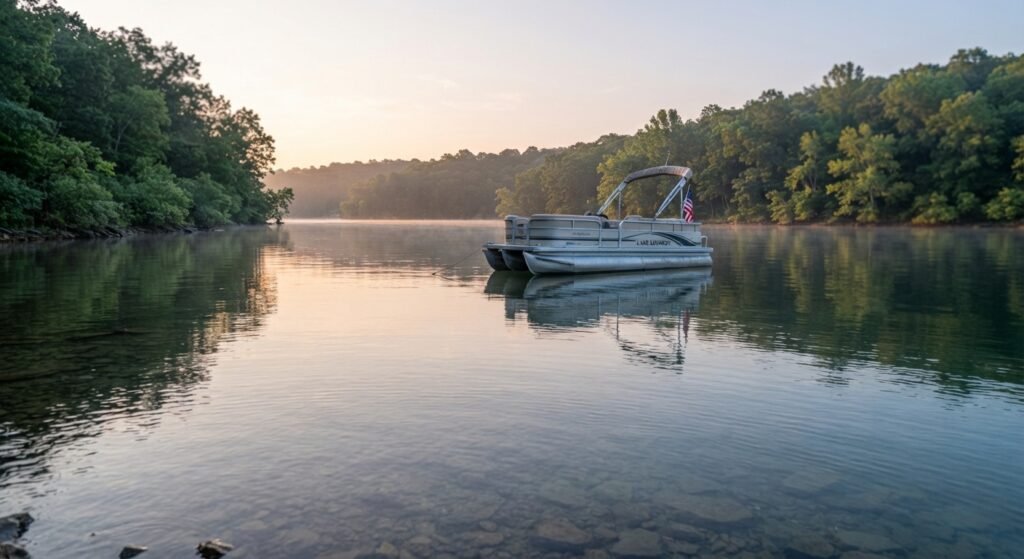
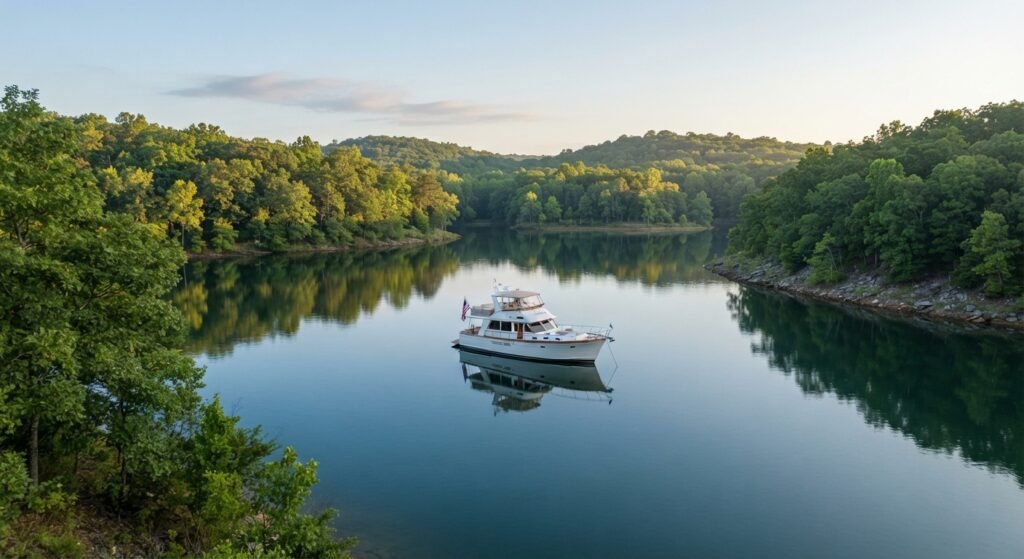
Calm cove at Lake of the Ozarks holiday weekend with yacht anchored in peaceful water
Guides

How to Find Calm Water on Holiday Weekends at Lake of the Ozarks

Lake of the Ozarks is one of the most visited lakes in the entire Midwest. Holiday weekends bring thousands of boaters, families, and visitors to the water all at once. The main channels get crowded. The noise levels rise. The wakes from passing boats never seem to stop. For anyone who wants a peaceful afternoon on the water, this can feel overwhelming. But here is the truth. There is calm water to be found at LOTO even on the busiest holiday weekends. You just need to know where to look and how to plan your day. The lake is massive. It covers over 54,000 acres and stretches across more than 1,100 miles of shoreline. That size works in your favor. It means there are always quieter corners, hidden coves, and peaceful arms where the crowds never fully reach. This guide gives you a real, practical plan for finding calm water on holiday weekends at Lake of the Ozarks. Whether you are a local or visiting for the first time, these tips will help you get more out of your time on the water. Why Holiday Weekends Get So Crowded at LOTO Understanding the crowd patterns at Lake of the Ozarks helps you plan around them. The lake sees its heaviest traffic during Memorial Day, Fourth of July, and Labor Day weekends. These are the three biggest boating weekends of the entire season. Thousands of boats launch from ramps across Camden County and the surrounding area. Popular destinations like Party Cove, Bagnell Dam, Osage Beach, and the main channel near Shady Gators and Backwater Jacks fill up fast. The main body of the lake near the dam sees the heaviest concentration of traffic. Boats stack up. Wakes overlap from every direction. Navigating through this area on a Saturday afternoon in July can feel more like a traffic jam than a relaxing boat ride. The noise and the chop make it hard to enjoy the water properly. Most visitors stick to familiar, well-known areas of the lake. They follow the same routes, stop at the same spots, and cluster around the same destinations. This predictable pattern is actually good news for anyone willing to go a little further or plan a little differently. The crowds are concentrated in specific zones. Outside those zones, the lake opens up considerably. Wind direction also plays a role in water conditions on holiday weekends. Open sections of the lake can develop significant chop when the wind picks up in the afternoon. This adds to the rough conditions in already busy areas. The sheltered arms and coves stay calmer because they are protected from both wind and heavy boat traffic. Knowing this is the foundation of finding calm water at LOTO on any holiday weekend. The Best Arms and Coves for Calm Water The Gravois Arm is one of the most reliable places to find calm water on a holiday weekend. It stretches long and deep into the southern part of the lake. The upper sections near Gravois Mills stay noticeably quieter than the main channel. Coves along the Gravois Arm offer sheltered anchoring spots with smooth water even when the rest of the lake is choppy. The arm is long enough that boat traffic spreads out naturally, giving every group more space. The Niangua Arm and Big Niangua Arm are also excellent choices for calm water seekers. These arms extend away from the main body of the lake and attract less traffic on busy weekends. The water tends to stay flatter here because the surrounding terrain blocks wind from most directions. Anchoring in a cove off the Niangua Arm on a Fourth of July weekend can feel like a completely different lake experience compared to the chaos near the dam. The Upper Osage Arm is another outstanding option. It runs deep into the northeastern part of the lake and sees far less recreational traffic than the lower sections. Families and groups who make the trip up the Upper Osage Arm often have entire stretches of shoreline to themselves. The scenery is beautiful and the water is consistently calm throughout the afternoon. It takes a bit more travel time to reach, but that is exactly why it stays peaceful on busy weekends. Smaller unnamed coves throughout the lake are also worth exploring. The lake has hundreds of them. Many are tucked behind points of land or sheltered by tree lines. These spots do not appear on tourist maps and most visitors never find them. A good USCG-certified captain who knows Lake of the Ozarks well can guide your group directly to these hidden gems. This is one of the biggest advantages of booking a yacht charter rather than going out on your own. Timing Your Trip to Avoid the Rush Timing is everything on a holiday weekend at LOTO. The worst time to be on the main channel is between noon and five in the afternoon. This is when traffic peaks. Boat launches are busy, wakes are constant, and finding a calm spot near popular areas becomes nearly impossible. Planning around this window makes a huge difference in the quality of your day on the water. Getting on the water early is the single most effective strategy. Heading out by nine or ten in the morning puts you ahead of the main rush. The water is calmer in the morning. The air is cooler. Boat traffic is lighter. You can claim your preferred cove or anchoring spot before anyone else gets there. Early mornings on LOTO during holiday weekends are genuinely peaceful, even on the busiest days of the year. Late afternoon and early evening also offer a second window of calmer conditions. Many day-trippers head back to the dock between four and six in the afternoon. Traffic on the main channel starts to thin out. The light gets beautiful and golden. A sunset cruise on the Gravois Arm or along the Upper Osage Arm during this window is one of the most rewarding experiences the

Aerial view of Gravois Arm coves and shoreline at Lake of the Ozarks
Guides

Navigating the Gravois Arm on a Weekend Afternoon

The Gravois Arm is one of the most beautiful stretches of water at Lake of the Ozarks. It runs long and wide. It offers calm coves, open water, and stunning shorelines all in one place. Weekend afternoons on the Gravois Arm feel different from anywhere else on the lake. The energy is lively, the scenery is gorgeous, and the boating is genuinely enjoyable. If you are planning a weekend trip on the water, the Gravois Arm should be on your list. This guide covers everything you need to know. You will learn how to navigate it safely, where to go, and how a yacht rental at Lake Ozark makes the experience even better. What Makes the Gravois Arm Special The Gravois Arm stretches deep into the southern part of Lake of the Ozarks. It is one of the longest arms on the entire lake. This gives it a lot of variety in terms of scenery and water conditions. You get wide open sections near the main channel and quiet, tucked-away coves further in. The water in the Gravois Arm is generally calmer than the main body of the lake. This makes it ideal for afternoon boating, especially on weekends when traffic picks up elsewhere. Families enjoy it because it feels less crowded in certain sections. You can find your own space without going too far off the beaten path. The Gravois Arm is also close to the town of Gravois Mills, which adds a nice local character to any boating trip in this area. Several marinas and fuel docks are accessible along the arm. You never feel too far from what you need when you are out on the water here. How to Navigate the Gravois Arm Safely Navigation on the Gravois Arm is straightforward for experienced boaters. But if you are newer to the lake, there are some things worth knowing before you head out. The lake uses a standard buoy and marker system. Red and green channel markers help you stay in safe, deeper water. Always keep red markers on your right when returning toward the main channel. Water depth is something to watch on weekend afternoons. Parts of the Gravois Arm can get shallow as you move into certain coves. Go slow when you explore areas away from the main channel. A slow approach protects your hull and keeps you safe in unfamiliar waters. If you are unsure, stay in the marked channel until you know the area better. Weekend afternoons bring more boat traffic across the whole lake, including the Gravois Arm. Be aware of wake zones near marinas and docks. Slow down when you see no-wake signs and give other vessels plenty of space. Courtesy on the water keeps everyone safe. It also makes the afternoon much more enjoyable for all parties. Renting a yacht with a USCG-certified captain is one of the best ways to navigate the Gravois Arm without any stress. Your captain knows the water well. They handle the navigation, the rules, and the boat, so you can simply relax and enjoy the ride. The Best Spots to Explore on a Weekend Afternoon The Gravois Arm has no shortage of great stops for a weekend afternoon. Knowing where to go helps you make the most of your time on the water. Some spots are perfect for anchoring and swimming. Others are great for sightseeing or just cruising slowly and taking in the views. Cove anchoring is very popular along the Gravois Arm. Many coves are wide enough to anchor comfortably and still have privacy. You can drop anchor, set up a swim ladder, and let everyone enjoy the water. The afternoons get warm in the summer, and a swim in one of these coves is a real highlight of any lake trip. The shoreline along the Gravois Arm is also worth exploring at a slow pace. You will see a mix of private docks, wooded hillsides, and open water views. The scenery changes as you move further up the arm. Toward Gravois Mills, the surroundings take on a quieter, more peaceful feel. It is a great area to slow down and just soak in the environment. Weekend afternoons are also a great time to look for wildlife along the shoreline. Blue herons, eagles, and osprey are common sights on the lake. Keep your eyes toward the tree lines and the water surface. These moments make a boating trip feel genuinely special. Planning Your Route for the Afternoon A good route on the Gravois Arm depends on your group and your goals for the day. If you want a relaxed float with stops, plan to head deep into the arm early in the afternoon. This gives you time to explore at a comfortable pace. You can work your way back toward the main channel as the evening approaches. If you enjoy active boating, the wider sections of the Gravois Arm are great for cruising at a comfortable speed. You get open water and good visibility. The afternoon light on the water is especially beautiful during summer months. Many guests on yacht charters at Lake of the Ozarks say the afternoon on the Gravois Arm is the best part of their whole trip. Plan for fuel stops if you are out for several hours. There are marinas accessible from the Gravois Arm that offer fuel and supplies. Know where they are before you head out. It is always smarter to fuel up with plenty of buffer rather than pushing your range to the limit. Leave yourself time for a sunset cruise on the way back. The Gravois Arm catches beautiful evening light. Many charter guests extend their afternoon into the early evening just for this reason. It turns a great afternoon into an unforgettable full-day experience. Boating Rules and Etiquette on the Gravois Arm The Missouri State Water Patrol enforces boating rules across Lake of the Ozarks, including the Gravois Arm. All operators must follow posted speed limits and no-wake zones. Life jackets

Aerial view of a marina near Sunrise Beach on Lake of the Ozarks with slips and docked boats
Guides

Where to Tie Up a Large Cruiser Yacht in Sunrise Beach

Sunrise Beach is one of the quieter and more residential communities along Lake of the Ozarks. It sits on the western side of the lake. The area is peaceful. It is less commercially developed than Osage Beach or Lake Ozark. But that does not mean it lacks options for boaters. If you are arriving on a large cruiser yacht, knowing where to tie up before you get there saves you a lot of frustration on the water. Docking a large vessel is not the same as pulling up in a pontoon or a small runabout. You need more space. You need the right depth. You need a facility that can handle your beam width and overall length. Not every dock on Lake of the Ozarks is built for that. Sunrise Beach has solid options, but they require some planning. This guide covers the best places to tie up a large cruiser yacht in Sunrise Beach. It also covers what to expect, how to prepare, and what to do if your preferred option is full. Understanding Sunrise Beach and Its Position on the Lake Sunrise Beach is located on the western shoreline of Lake of the Ozarks, roughly in the middle section of the main channel. It sits near the mile marker 25 to 30 range on the main body of the lake. That puts it well up the lake from Bagnell Dam and the busy lower sections near Osage Beach. The community is primarily residential. There are lakefront homes, private docks, and a handful of small commercial operations along the waterfront. The atmosphere is calm and unhurried. If you are looking for a break from the noise and congestion of the main party areas on the lake, Sunrise Beach is an excellent choice for an overnight or midday stop. Because the area leans residential, the marina infrastructure is smaller than what you find in Osage Beach or Lake Ozark. This matters when you are operating a large cruiser yacht. Facilities with big-boat capability exist, but you need to know which ones they are. Calling ahead is always recommended. Transient slips for large vessels fill up on busy summer weekends. Showing up without a reservation on a holiday weekend is a gamble you do not want to take. The main channel in the Sunrise Beach area has good depth for large vessels. The lake bottom drops off significantly in the channel. You will find adequate draft clearance throughout the main cruising route. The challenge comes when you move toward the shallower sections near certain docks and coves. Always check your depth sounder as you approach any unfamiliar dock or slip. Marina Options for Tying Up a Large Cruiser Yacht Near Sunrise Beach The Sunrise Beach area has several marina facilities worth knowing. Each has different capabilities for large vessels. Understanding what each one offers helps you make the right call before you leave your home dock. Shawnee Bend Marina is one of the most well-known facilities in the Sunrise Beach area. It sits on the main channel side of the lake. It offers transient slips and has accommodated larger vessels over the years. The facility has fuel, which is essential for a large cruiser that burns through fuel quickly. Call ahead and give them your vessel’s length and beam before you arrive. Their staff can confirm slip availability and advise on depth clearance at your specific tie-up point. Lazy Gator Marina is another option in the broader Sunrise Beach zone. It caters to a mix of vessel sizes. For very large cruisers, you want to call ahead and confirm they have a slip that fits your boat. Some facilities list their slip dimensions online. Others require a direct conversation. Either way, do not assume any marina can handle your vessel without confirming first. A large cruiser yacht can run anywhere from 40 to 70 feet or more. Slip size and approach depth both matter at that scale. Beyond the dedicated marina slips, several waterfront restaurants and bars in the Sunrise Beach area offer guest docking. These are typically shorter stays while you eat or enjoy the shoreline. They are not overnight options. But for a midday stop on a charter cruise, they work very well. Always confirm available dock space with the establishment before you pull in. Busy summer afternoons can fill these guest docks quickly. If you are on a crewed charter with Yacht Rental Lake Ozark, your captain will handle all dock communication in advance. They know the marinas in this area personally. They have relationships with dock staff. They will confirm your slip, coordinate your arrival time, and manage the tie-up safely. That is one of the most underrated advantages of a captained charter on a large vessel. How to Approach and Tie Up a Large Yacht in This Area Arriving in a large cruiser yacht requires more than just finding a slip. The approach matters. Lake of the Ozarks has significant boat traffic during summer weekends. The main channel near Sunrise Beach sees plenty of wake from passing vessels. Timing and technique are both important. Reduce your speed well before you enter any marina or dock area. No-wake zones exist around most marina entrances on the lake. Respect them strictly. A large vessel pushing a big wake into a tight marina can cause serious damage to other boats. It can also create liability issues for you. Slow down early and approach at idle speed. Wind is your biggest challenge when docking a large cruiser. Even a light breeze can push a 50-foot yacht sideways faster than you expect. Check the wind direction before you approach the slip. Plan your approach so the wind works with you rather than against you. If you are coming in on a captained charter, your captain will read the conditions and adjust accordingly. They have done this countless times on this lake. Use fenders generously on both sides of the vessel. Lake marinas can have older dock structures with varying surface

Aerial view of the Upper Osage Arm of Lake of the Ozarks winding through wooded Ozark hills
Guides

How to Get to the Upper Osage Arm by Water Charter

The Upper Osage Arm is one of the most beautiful and least crowded stretches of Lake of the Ozarks. It runs deep into the Ozark hills. The water is calm. The scenery is stunning. And the further up you go, the more peaceful it gets. Most visitors to Lake of the Ozarks never make it this far. They stay near the main channel, Party Cove, or the marina-heavy areas around Osage Beach. That is understandable. But it means the Upper Osage Arm stays uncrowded for those who know where to go. If you are planning a water charter at Lake of the Ozarks, this arm is one of the most rewarding destinations you can choose. This guide walks you through everything. You will learn the route, what to expect along the way, where to stop, and how to choose the right charter for the trip. Understanding the Layout of Lake of the Ozarks Before You Go Lake of the Ozarks is a large and complex body of water. It has a main channel and several major arms that branch off in different directions. The Osage Arm is one of the longest and most significant of these. It follows the path of the original Osage River before the lake was formed by Bagnell Dam in 1931. The lake uses a mile marker system that begins at Bagnell Dam and increases as you travel up the lake. The main channel mile markers run up the center of the lake. Each arm has its own marker sequence that branches off from the main channel. Knowing these markers is essential for navigation. They appear on most charts and GPS systems used on the lake. The Upper Osage Arm refers to the upper reaches of the Osage River arm of the lake. This section is quieter than the lower portions near Osage Beach. The channel narrows gradually as you go further up. Water depth decreases in some areas. The landscape becomes more rugged and wooded. It feels like a completely different lake compared to the busy sections near the dam. Before you depart, study a lake map. Identify the main channel and where it transitions into the Osage Arm. Note the mile markers you will pass along the way. If you are on a captained charter, your captain will handle all of this. But having a basic understanding of the route helps you follow along and enjoy the journey more fully. The Route from Lake Ozark to the Upper Osage Arm by Water The starting point for most charters headed to the Upper Osage Arm is the Lake Ozark and Osage Beach area. Most marinas and charter operations are located in this central zone. It is the most convenient point of access for visitors staying in the area. From the main channel near Bagnell Dam, you head up the lake away from the dam. The main channel curves and widens as you move through the lower portions of the lake. You will pass familiar landmarks like the Grand Glaize Bridge and the busy marina areas around Osage Beach. Traffic is heavier in this section. Your captain will navigate through it efficiently. As you continue up the main channel, you will eventually reach the point where the Osage Arm branches off. This transition happens gradually. The channel begins to follow a more defined path. Boat traffic starts to thin. The banks on either side get higher and more wooded. You know you are heading in the right direction when the landscape starts to feel more remote. The journey from the Osage Beach area to the Upper Osage Arm takes roughly 45 minutes to 1.5 hours depending on your vessel speed and how many stops you make along the way. A larger yacht cruises this route comfortably. A pontoon or tritoon rental can also make the trip if the water conditions are calm. Your charter company will help you choose the right vessel based on your group size and planned activities. One important thing to note is fuel. There are fuel docks near the main channel. Once you move into the upper sections of the Osage Arm, fuel availability becomes limited. Always top off before you head up the arm. This is standard advice for any trip to the more remote parts of Lake of the Ozarks. What to Expect on the Upper Osage Arm The Upper Osage Arm feels like a different world compared to the main channel. The water is noticeably calmer. The banks are steep, rocky, and covered in timber. Wildlife is more visible here. You may spot great blue herons, ospreys, deer, and turtles along the shoreline. It is a genuinely scenic stretch of water. Boat traffic drops significantly once you are well into the upper arm. On a busy summer weekend, you might have entire coves to yourself. That is almost impossible to find near Osage Beach or the main channel. This privacy is one of the biggest reasons boaters make the trip. It is ideal for group charters that want a relaxed and exclusive experience without the noise and crowds. The coves along the Upper Osage Arm are excellent for anchoring. The water in many of these coves is clear. The bottom varies from sandy to rocky. Several coves have gentle slopes that are perfect for swimming. You can anchor, set up a floating dock or inflatable, and spend hours without another boat in sight. Fishing is also excellent on the upper arm. Largemouth bass hold along the rocky banks and near submerged timber. Crappie are found around dock structures and brush. The upper sections of the arm have less fishing pressure than the lower lake. That often means better fishing for those willing to make the journey. One thing to be aware of is water depth in the upper sections. The channel gets shallower as you approach the very top of the arm. Your captain will know where the navigable water ends. For very shallow draft vessels like a

Aerial view of the Big Niangua Arm of Lake of the Ozarks surrounded by wooded Ozark hills
Guides

Boating Guide to the Big Niangua Arm of the Lake of the Ozarks

The Big Niangua Arm is one of the most scenic and rewarding stretches of Lake of the Ozarks. It runs deep into the surrounding hills. The water is calm in most areas. The coves are quiet and well-protected. And the scenery is hard to beat anywhere on the lake. Many boaters stick to the main channel. But experienced boaters know the Big Niangua Arm offers something different. It is peaceful. It is less crowded. And it has some of the most beautiful anchorages on the entire lake. Whether you are renting a yacht at Lake Ozark for the first time or you have been coming here for years, this arm deserves your full attention. This guide covers everything you need to know before you head out. You will learn where to go, what to watch for, and how to make the most of your time on this stretch of water. Where the Big Niangua Arm Begins and How to Navigate It The Big Niangua Arm branches off from the main channel of Lake of the Ozarks in the upper portion of the lake. It stretches several miles into the heart of Missouri’s Ozark terrain. The arm runs roughly northwest from the main body of the lake. It is wide enough for comfortable cruising but narrow enough to feel intimate. Mile markers are your best friend on this arm. Lake of the Ozarks uses a mile marker system that starts at Bagnell Dam and increases as you move up the lake. The Big Niangua Arm has its own mile marker sequence that branches off from the main channel. Pay close attention when you first enter the arm. The water depth can change quickly in some areas. Local knowledge matters a lot here. The Niangua Bridge is one of the key landmarks in this area. It is easy to spot and serves as a useful reference point when navigating. If you are new to the arm, use it to get your bearings. From there, the channel continues further into quieter territory. Boat traffic thins out noticeably past the bridge. That is part of the charm of this area. Navigation on the Big Niangua Arm is generally straightforward. The channel is well-marked. But you should still keep your charts or GPS active. There are some shallow spots near the banks and in certain coves. A pontoon or tritoon rental handles this arm with ease. A larger yacht can also navigate the main section comfortably. Just stay aware of your depth as you explore side coves. The Best Coves and Anchoring Spots on the Big Niangua Arm The coves off the Big Niangua Arm are some of the most sought-after anchorages on the lake. They offer shelter from wind and wave action on the main channel. The water in many of these coves is clear and calm. It is ideal for swimming, fishing, or just floating in the afternoon sun. One of the biggest advantages of this arm is the lack of heavy boat traffic. On a summer weekend, the main channel near Osage Beach and Party Cove can feel overwhelming. The Big Niangua Arm stays significantly calmer. You can find a cove, drop anchor, and enjoy your day without constant wake from passing boats. That makes it a top choice for groups looking for a private and peaceful charter experience. When anchoring in a cove on the Big Niangua Arm, give yourself enough scope. The bottom composition varies from cove to cove. Some areas have a sandy bottom. Others are rocky or muddy. A good anchor with adequate chain and rode will hold well in most spots. Set your anchor properly and check it before you settle in. If you are not confident about anchoring, a captained charter is the smarter choice. Your captain will know exactly where to set the hook and how to do it safely. Several coves along this arm are perfect for overnight stays. The water is calm. The surroundings are wooded and quiet. You can watch the stars from the deck without any light pollution from the main channel areas. If overnight anchoring is part of your plan, make sure your vessel has the required lighting and that you notify your charter company in advance. Fishing on the Big Niangua Arm The Big Niangua Arm has a strong reputation among anglers. The arm is home to a healthy population of largemouth bass, crappie, white bass, and catfish. The deeper sections of the channel hold fish year-round. The shallower coves and creek mouths are productive during spring and early summer. Bass fishing is especially good near rocky points and submerged structure. The Ozark terrain creates a lot of natural underwater features. Old creek beds, rock ledges, and submerged timber all attract fish. If you are targeting largemouth bass, work the edges of coves during the early morning and late evening. The fish move shallow during those hours. Crappie are abundant throughout the arm. They tend to hold near brush piles and dock structures. Many of the private docks along the arm have underwater brush piles set by the property owners. You will need to stay in public waters, but the fish often roam from structure to structure. A jig or live minnow will get plenty of action. White bass fishing heats up in late spring when the fish stage in the arm before their annual run. They school aggressively and hit small jigs and spinners readily. It is fast-paced, exciting fishing that is great for kids and beginners. Catfish are active throughout the warmer months. Cut bait or chicken liver fished near the bottom in deeper water will produce results. If you are planning a fishing trip on a charter boat, let your rental company know in advance. They can help you choose the right size vessel for your group and coordinate timing around the best fishing windows. What to Know Before You Boat the Big Niangua Arm The Big Niangua Arm rewards boaters who come prepared. A

Public dock access near Village of Four Seasons at Lake of the Ozarks Missouri
Guides

How to Find Public Docks Near Village of Four Seasons at Lake of the Ozarks

Village of Four Seasons is a quiet, well-established community on Lake of the Ozarks. It sits along the mid-lake region of the Osage Arm. Many visitors rent vacation homes here. Families come back every summer. The community is peaceful, residential, and close to everything the lake has to offer. But one question comes up again and again. Where do you actually get on the water? Especially if your vacation rental does not have a private dock. Or if you are meeting a yacht charter and need a public boarding point nearby. This guide answers that question completely. We cover public docks, boat ramps, marina access, and everything else you need to know about getting on the water near Village of Four Seasons. Understanding the Village of Four Seasons Area on the Lake Village of Four Seasons is located in Camden County, Missouri. It sits roughly in the mid-lake region near mile marker 25 to 35 on the Lake of the Ozarks main channel and lower Osage Arm. The community is primarily residential. There are private docks lining much of the shoreline here. This is important to understand. Most of the waterfront access in Village of Four Seasons itself is private. Homeowners and vacation rental guests use private docks that belong to specific properties. If your rental has a dock, that is your easiest access point. But if it does not, you need to know where the public options are nearby. The good news is that the area surrounding Village of Four Seasons has several solid public access points. You do not need to travel far to find a boat ramp, a public dock, or a full-service marina. The key is knowing which options exist and how to reach them efficiently. Understanding the layout of the lake in this zone also helps. The main channel runs close to the Village of Four Seasons area. This means you are not far from the most navigable and well-served part of the lake. Marinas and public landings in this region are set up to handle boaters of all kinds, from small fishing boats to large luxury yacht charters. Public Boat Ramps and Launch Points Near Village of Four Seasons The most accessible public option for many boaters near Village of Four Seasons is the Missouri Department of Conservation and Missouri State Parks system of public boat ramps. These ramps are maintained by the state and are open to all boaters. Most charge a small daily fee or accept a Missouri fishing license as access. The Hwy 54 Boat Ramp area near Osage Beach provides one of the more convenient public launch options for boaters in this region. Osage Beach is just a short drive from Village of Four Seasons. This area has multiple launch facilities. Ramps here are wide, well-maintained, and capable of handling larger trailers and bigger vessels. Camden County also maintains several public access points along the lake. These county-managed ramps are scattered throughout the lake region. Some have courtesy docks attached, meaning you can briefly tie up your vessel while loading or unloading passengers and gear. These courtesy docks are not designed for overnight or extended stays, but they are very useful for day-use boarding. The Lake of the Ozarks State Park boat access is another option worth knowing about. The state park is located in the lower portion of the lake but is within reasonable driving distance from Village of Four Seasons. The park has a public boat ramp with access to the main channel. If you are launching a personal boat, this is one of the better-maintained facilities in the region. When planning to use any public ramp near Village of Four Seasons, arrive early on summer weekends. Ramps get busy fast. Lines can form quickly on Saturday and Sunday mornings during peak season. Weekday access is much smoother. Most ramps open at sunrise and have adequate parking for vehicles with trailers. Marinas Near Village of Four Seasons and What They Offer Beyond public boat ramps, the area near Village of Four Seasons has several full-service marinas. These marinas offer more than just a place to launch. Many provide fuel, pump-out stations, boat rentals, slip rentals, and temporary guest docking. For charter guests who need a convenient boarding point, marinas are often the best option. Marinas in the Osage Beach and Lake Ozark corridor near mile marker 15 to 28 are the closest full-service options to Village of Four Seasons. This stretch of the lake has one of the highest concentrations of marinas anywhere on the water. Most of these facilities have transient slips available. A transient slip is a temporary docking space that any boater can rent by the hour or day without a long-term commitment. When you call a marina to ask about transient dock access, a few questions are worth asking. First, confirm they have space available for the size of vessel you are boarding. A 50-foot luxury yacht needs a slip that can accommodate its length and beam. Not all marinas have large enough slips. Second, ask about the fee structure. Some marinas charge by the foot per night or hour. Others have flat day-use rates. Third, ask whether the dock has easy access from the parking area. Carrying coolers, bags, and gear across a long floating dock can be challenging without proper setup. Several marinas in this region also offer courtesy docking for charter guests. This means you can tie up at their dock briefly to board a charter vessel without paying a full slip fee. Charter companies that operate regularly in this area typically have arrangements with nearby marinas. When you book a yacht charter at Lake of the Ozarks through Yacht Rental Lake Ozark, ask about the closest boarding marina to your Village of Four Seasons location. They can recommend the most convenient option for your specific rental address. How to Reach Public Docks From Village of Four Seasons by Road Getting to public docks and marinas from Village of Four

Depth chart of Lake of the Ozarks showing safe navigation zones for luxury yachts
Guides

Water Depth Requirements for Major Luxury Yachts at Lake of the Ozarks

One of the most common questions guests ask before booking a luxury yacht charter at Lake of the Ozarks is about water depth. It is a smart question. A large yacht is not like a small fishing boat. It sits deeper in the water. It has specific clearance requirements. It cannot go everywhere on the lake safely. Understanding water depth requirements helps you plan a better charter. It helps you understand why your captain makes certain routing decisions. It also gives you confidence that your vessel is always in safe, appropriate water throughout your trip. This guide covers everything you need to know. We explain what draft means, how deep the lake actually is, which areas are safe for large yachts, and how experienced captains navigate Lake of the Ozarks with precision and safety. What Is Draft and Why Does It Matter for Luxury Yachts Before talking about depth, you need to understand draft. Draft is the measurement of how far a vessel extends below the waterline. It is the distance between the surface of the water and the lowest point of the boat’s hull. A small pontoon boat might have a draft of just one to two feet. A mid-size cabin cruiser typically has a draft of two to three feet. A major luxury yacht in the 45 to 65-foot range often has a draft of three to five feet. Some larger vessels go deeper than that. The draft determines the minimum water depth the vessel needs to float and move safely. If the water depth is less than the vessel’s draft, the boat will run aground. Running aground means the hull hits the bottom. This can cause serious damage to the vessel. It can also create a safety risk for everyone on board. This is why draft is one of the most important specifications for any yacht operating on an inland lake. At Lake of the Ozarks, the water depth varies enormously from one area to another. The main channel near Bagnell Dam reaches depths of over 100 feet in some spots. But move toward a shallow cove or upper arm, and the depth can drop to just three or four feet near the shoreline. Knowing the difference between these areas is essential for safe luxury yacht navigation. How Deep Is Lake of the Ozarks in Different Areas Lake of the Ozarks has a very wide range of depths. This is partly because it was created by flooding a river valley. River valleys are naturally deep in the center and shallower along the sides and upstream reaches. The deepest water is near Bagnell Dam at mile marker 0. The lake can reach depths of 100 feet or more in this zone. This area is excellent for large vessel navigation. There is no risk of grounding in the main channel near the dam. The water is consistently deep and well-charted. From mile marker 0 to approximately mile marker 30, the main channel stays deep. Average depths in this zone range from 40 to 80 feet in the center. This is the most commercially active stretch of the lake. Marinas, boat docks, and waterfront businesses line both shores. The deep main channel makes it accessible to larger vessels throughout the season. Between mile marker 30 and mile marker 60, the average depth begins to decrease gradually. The channel is still navigable for luxury yachts in most areas. Depths in the main channel typically range from 20 to 50 feet. However, as you move off the channel toward coves and secondary inlets, the depth drops more quickly. Careful navigation is required when deviating from the main channel in this stretch. Above mile marker 60 in the upper lake and upper arms, depth becomes more variable. The main channel may still hold 15 to 30 feet of water. But coves and side channels can become quite shallow very quickly. Some upper-arm inlets have depths of only four to six feet even in their center sections. This limits which vessels can safely access these areas. The Niangua Arm and Osage Arm have their own depth profiles. The upper portions of both arms tend to be shallower than the main body of the lake. Experienced captains who regularly navigate these areas know where the deep pockets are and where the bottom rises unexpectedly. Draft Requirements for Common Luxury Yacht Sizes Different yacht sizes have different draft requirements. Understanding these numbers helps you appreciate the level of planning your captain puts into every charter route. A 40 to 45-foot luxury yacht typically has a draft of approximately 3 to 3.5 feet. This vessel needs a minimum water depth of around 4 to 5 feet to operate safely, leaving adequate clearance below the keel. This size can access most of the main channel and many coves throughout the lake with proper navigation. A 50-foot luxury yacht generally has a draft of 3.5 to 4.5 feet. This is one of the most popular sizes for group charters at Lake of the Ozarks. It needs a consistent minimum depth of 5 to 6 feet in the areas it navigates. The main channel and the lower to mid-lake zones accommodate this vessel size very comfortably. Some upper coves may be off-limits depending on seasonal water levels. A 60 to 65-foot yacht carries a deeper draft. These vessels typically require 5 to 7 feet of water minimum, and some may need even more depending on their hull design. At this size, the vessel is limited to the deeper sections of the lake. The main channel from the dam up through the mid-lake region is accessible. Remote upper arms and narrow coves are generally not suitable for a vessel of this size. It is also important to note that water levels at Lake of the Ozarks fluctuate seasonally. The Army Corps of Engineers and Ameren Missouri manage the lake’s water level. In summer, the lake is typically held at or near full pool. In winter and early spring, levels may

Detailed map of Lake of the Ozarks showing mile markers from Bagnell Dam to the upper arms
Guides

How to Read Lake of the Ozarks Maps for Private Charters

Planning a private charter at Lake of the Ozarks is exciting. But many guests arrive without a clear picture of how the lake is laid out. They hear terms like mile markers, arms, coves, and channels. They see a long, winding map that looks nothing like a typical lake. It can feel confusing at first. The good news is that Lake of the Ozarks has a very logical system. Once you understand the basics, the map makes complete sense. You can plan your route, identify your favorite stops, and communicate clearly with your captain before your charter even begins. This guide breaks it all down. We will cover the mile marker system, the main channel, the major arms, cove navigation, depth charts, and no-wake zones. By the end, you will know exactly how to read a Lake of the Ozarks map for your private charter. Understanding the Shape and Layout of Lake of the Ozarks Lake of the Ozarks is not a round or oval lake. It is a long, branching reservoir. It was created in 1931 when the Bagnell Dam was built across the Osage River. The dam blocked the river and flooded the surrounding valleys. This created a lake with one main channel and dozens of smaller arms, coves, and inlets branching off in every direction. The lake stretches over 90 miles from Bagnell Dam at the eastern end to the upper reaches near the dam’s headwaters. If you add up all the shoreline, the lake has over 1,150 miles of coastline. That is more shoreline than the entire state of California’s Pacific Coast. The sheer size of the lake is one reason a map is so important. When you look at a Lake of the Ozarks map, the first thing you notice is that the lake has a distinct shape. The main body runs diagonally from the dam area toward the northwest. Off this main body, two major arms extend in different directions. The Osage Arm runs to the northwest and is the longer of the two primary branches. The Niangua Arm branches off toward the west. Both arms have their own smaller coves and channels running off them. Understanding this branching structure is the foundation of reading any Lake of the Ozarks map. Everything else, including mile markers, cove names, and anchorage spots, is built on top of this basic layout. The Mile Marker System Explained The mile marker system is the single most important thing to understand when reading a Lake of the Ozarks map. It is the universal reference system used by boaters, marinas, captains, and local businesses across the entire lake. Mile markers start at zero. Mile marker 0 is located at Bagnell Dam. From there, the numbers increase as you travel up the lake away from the dam. Mile marker 1 is one mile from the dam. Mile marker 10 is ten miles up the lake. The mile markers continue all the way to the upper reaches of the lake near mile marker 92 on the main Osage channel. The Niangua Arm has its own set of mile markers. They branch off from the main channel around mile marker 28. The Niangua markers start at the junction and increase as you travel further into that arm. When a captain or marina mentions a location, they almost always use the mile marker as a reference point. “We are anchoring near mile marker 45” tells everyone on board exactly where the boat is on the lake. The lower portion of the lake, from the dam to around mile marker 20, is the most commercially developed stretch. Marinas, restaurants, bars, and resorts line both shores in this area. This is where you find Party Cove near mile marker 5, Shady Gators, Backwater Jacks, and many other well-known destinations. It is also the busiest and most congested stretch of water on the lake. As you move further up the lake past mile marker 30, the development thins out. By mile marker 50 and beyond, the shoreline becomes more wooded and residential. Traffic drops noticeably. The water gets calmer. Many guests who want a peaceful, relaxing private charter experience prefer the middle and upper sections of the lake for exactly this reason. Reading Coves and Arms on the Map Coves are the smaller inlets that branch off the main channel and the major arms. They appear on the map as narrowing pockets of water cutting into the shoreline. Some coves are wide and open. Others are narrow and deep. Understanding how to identify and read coves on the map helps you plan where to stop, swim, or anchor during your charter. Each cove has a name on most detailed Lake of the Ozarks maps. Some names are official. Others are local nicknames used by longtime boaters. Lynch Hollow, Gravois Arm, Hurricane Deck area coves, and Coffman Cove are examples of named locations that appear on most charts. Knowing the name of a cove makes it much easier to plan your route with your captain in advance. When reading a cove on the map, pay attention to its entrance width. A wide entrance means boats of all sizes can enter easily. A narrow entrance means only smaller vessels or careful captains can navigate inside. For a 50-foot luxury yacht, your captain will always check the entrance width before heading into any cove. Most maps mark shallow areas with dotted lines or color shading. The Gravois Arm is one of the most popular destinations for charter guests who want calm water and beautiful scenery. It branches off the main channel around mile marker 55 to 60 and runs for several miles to the southwest. The coves inside the Gravois Arm are well-protected and lightly trafficked. On a detailed map, you can see how the arm narrows as it extends further from the main channel. This narrowing is a visual clue that the water will be calmer and quieter the further in you go. The Upper Osage Arm begins

Glassy calm water on Lake of the Ozarks early morning with no boat traffic
Guides

Where Is the Quietest Water in Lake of the Ozarks?

Lake of the Ozarks is one of Missouri’s most popular lakes. It draws thousands of visitors every summer. Most people come for the party, the noise, and the excitement. But not everyone wants that. Some guests want calm water. They want peace, shade, a gentle breeze, and a quiet place to relax on a luxury yacht. If you are planning a yacht rental at Lake of the Ozarks, this guide is for you. We will show you exactly where to find the quietest water on the lake. We will cover the best coves, the upper arms, the no-wake zones, and the hidden spots that most tourists never find. Why Some Parts of Lake Ozark Are Much Calmer Than Others Lake of the Ozarks is a long, winding lake. It stretches over 90 miles from end to end. The shape of the lake plays a huge role in water conditions. The main channel runs through the center of the lake. This is where most of the boat traffic flows. It is the busiest and roughest stretch of water, especially on weekends. The lake branches off into dozens of coves and arms. These branches come off the main channel at different angles. When you move away from the main channel, the water becomes calmer. Boat traffic drops. Wake from passing vessels fades quickly. The deeper into a cove you go, the quieter it gets. Wind is another factor. The main channel is exposed to open wind from multiple directions. Coves are naturally sheltered. The shoreline, trees, and hills around a cove block the wind. This keeps the surface smooth and flat. On a windy day, the difference between the main channel and a sheltered cove is dramatic. The channel can have two-foot waves while a cove nearby stays completely flat. Water depth also matters. Shallower areas near public beaches and marinas tend to have more traffic and choppier conditions. Deeper, tucked-away pockets of water are naturally less visited. They stay quiet throughout the day, even on the busiest summer weekends. The Quietest Areas on Lake of the Ozarks The Upper Osage Arm is one of the most peaceful stretches of the entire lake. It sits in the upper portion of the lake, far from the tourist-heavy areas near the 1 to 10 mile markers. Traffic here is much lighter. The water moves slowly. There are long stretches of undisturbed shoreline with trees growing right down to the water’s edge. Families who want a calm, relaxing day on a chartered yacht often request this area specifically. The upper arm also has a number of small coves branching off to the left and right. These coves are often completely empty. You can drop anchor inside one and spend hours without seeing another boat. The scenery is beautiful. The hills around the upper arm are heavily wooded, and the water reflects the green of the trees. Lynch Hollow is another excellent choice for quiet water. This cove is tucked away from the main channel. It is deep enough to anchor a large vessel comfortably. The surrounding land is mostly private, which means fewer people use the area for swimming or recreation. When you are anchored in Lynch Hollow, the noise from the rest of the lake seems very far away. It is one of the best spots for a peaceful afternoon on the water. Hurricane Deck area sits in the upper portion of the lake around mile marker 100. The coves near Hurricane Deck are wide, calm, and lightly trafficked. The water here is clear. The depth drops off nicely near the cove walls. Many yacht captains recommend this area for guests who want to swim, relax, or simply enjoy the scenery without the chaos of the lower lake. The Gravois Arm is another well-known stretch of calm water. It branches off the main channel and runs for several miles. During weekday mornings, it can feel completely empty. Even on weekends, traffic is much lighter here than near Party Cove or Bagnell Dam. The Gravois Arm has beautiful coves running off both sides. You can anchor inside one and enjoy total privacy for as long as you like. Climax Springs area coves sit in the upper portion of the lake near mile marker 120 and beyond. This is some of the most remote and untouched water on the entire lake. Boat traffic here is extremely light. If you want the absolute quietest experience on Lake of the Ozarks, heading toward Climax Springs in the upper reaches of the lake is the best option. The water is glassy calm most mornings. Wildlife is common along the shoreline. Herons, eagles, and deer are frequently spotted in this part of the lake. No-Wake Zones and Sheltered Coves No-wake zones are designated areas of the lake where boats must slow down. Vessels are not allowed to create large wakes. These zones are usually found near marinas, boat ramps, and congested docking areas. However, many smaller coves also function as natural no-wake zones simply because of their shape. When a cove narrows at its entrance, large boats cannot enter at speed. They have to slow down to navigate the mouth of the cove safely. This means the water inside stays calm. Even if a boat does pass by outside, the narrow entrance absorbs most of the wake energy before it reaches the interior of the cove. A good captain knows which coves have narrow entrances and which ones are open to wave action. When you book a captained yacht charter at Lake of the Ozarks, your captain can steer you directly to the right spot based on the time of day, wind direction, and current traffic patterns. This local knowledge makes a real difference. The water near Laurie on the west side of the lake also tends to stay calmer. This area sits away from the main tourist zones. Fewer rentals and day boats operate here. The coves near Laurie are well-protected and easy to access by a larger

Scroll to Top