How to Tie Up Safely in the Raft Up at Party Cove
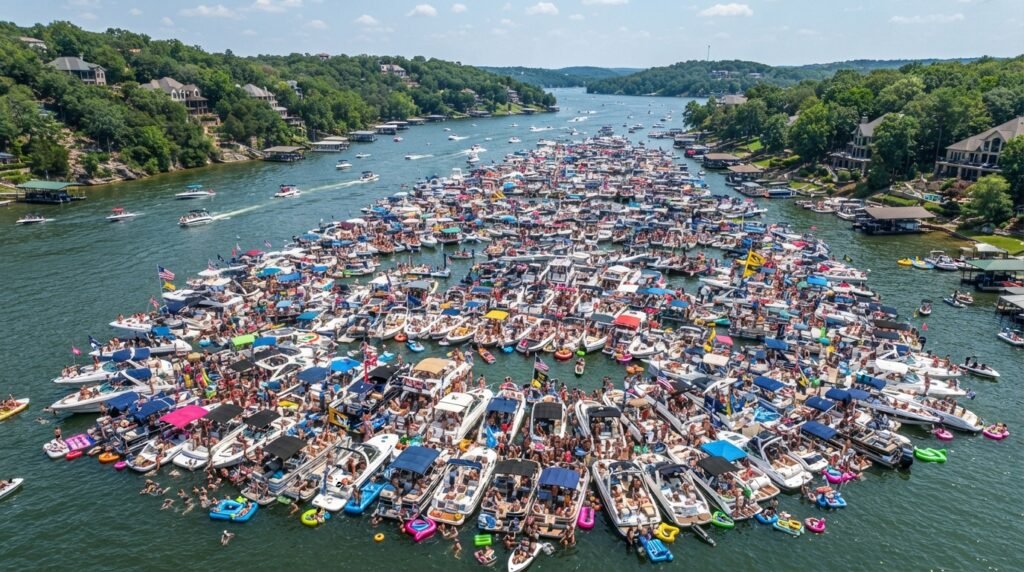
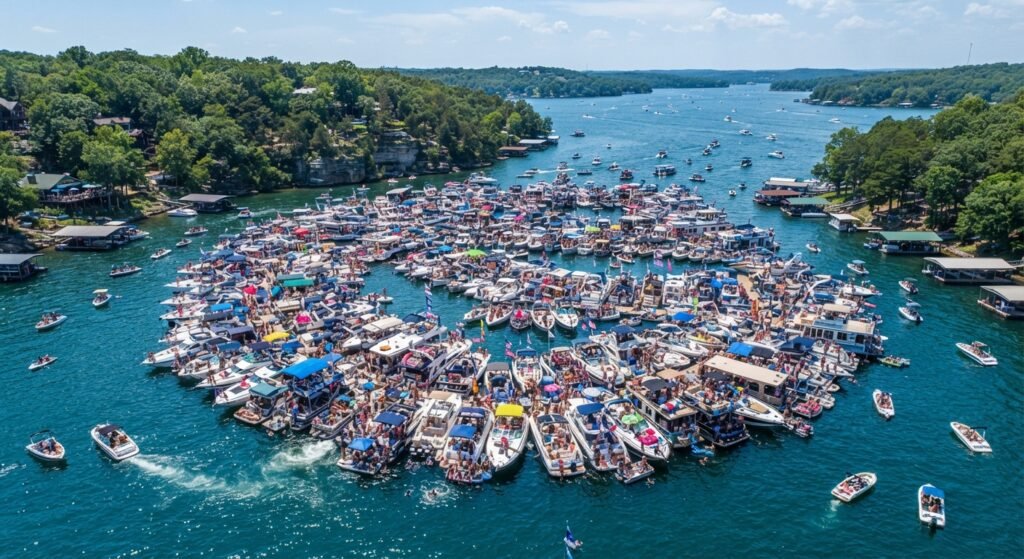
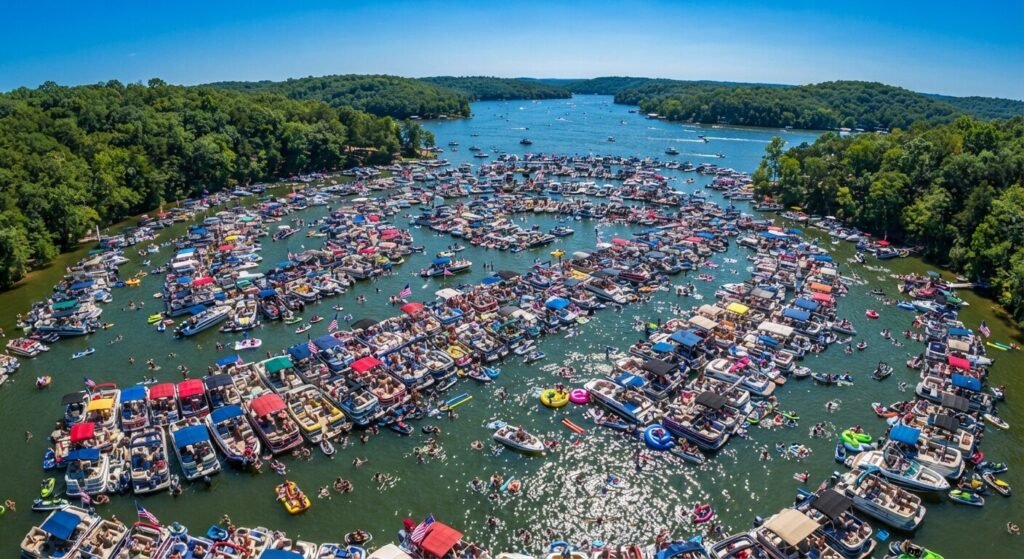
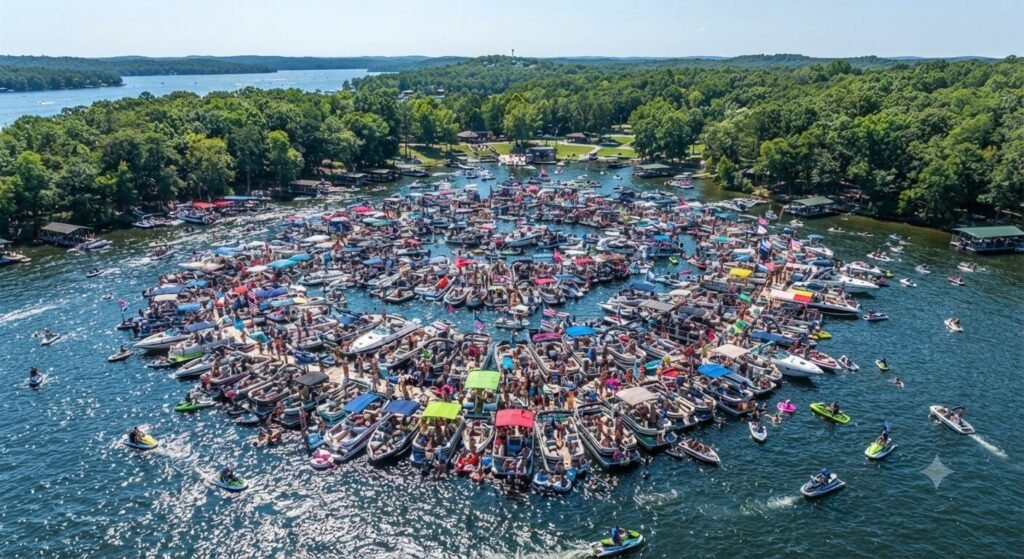
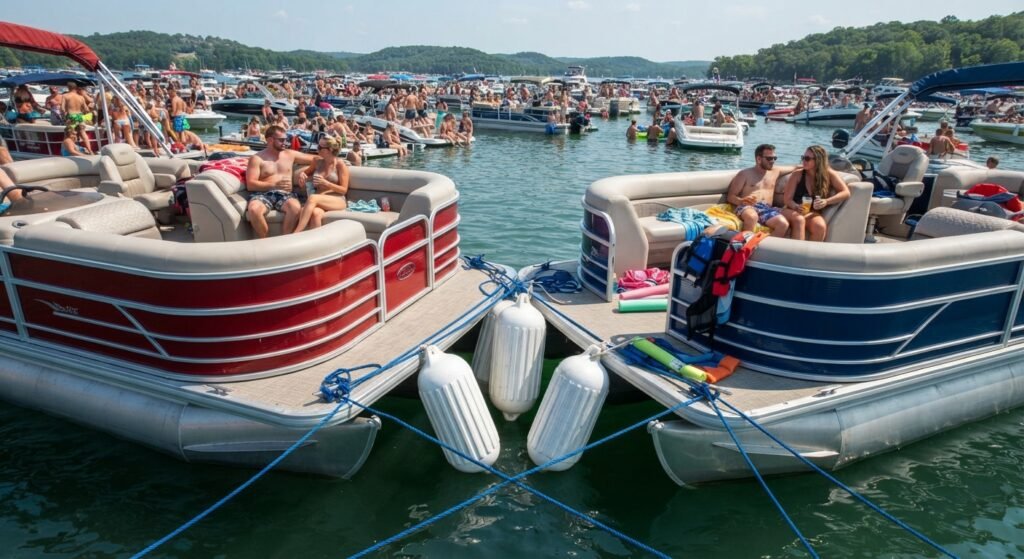
What Raft Up Means at Party Cove Raft up is the term boaters use for tying multiple boats together on the water. At Party Cove, this is the whole point of the visit. Boats line up side by side and connect with ropes. This creates one large floating platform for the whole group. The idea sounds simple, but doing it safely takes some skill. A raft up can include just two boats or dozens of boats at once. Larger raft ups need more care and coordination. Everyone involved plays a part in keeping the group safe. This guide focuses on the exact steps needed to raft up the right way. It covers gear, technique, anchoring, and common mistakes to avoid. By the end, first time visitors should feel confident joining any raft up at Party Cove. Party Cove is known for huge raft ups during busy weekends. Hundreds of boats can end up connected in one afternoon. This makes learning the right technique even more important. A safe raft up keeps the fun going without any accidents. New visitors are often surprised by just how organized a good raft up can be. Experienced boaters usually approach slowly and communicate before tying on. This simple courtesy helps the whole group stay relaxed and safe from the very start. Why Safety Matters When Rafting Up Tying boats together adds real risk if done the wrong way. Loose ropes can let boats drift apart suddenly. Waves from passing boats can rock the whole raft. A poor setup can lead to bumped hulls or injuries. Party Cove gets crowded fast on holiday weekends. Boats sit close together with limited space to move. This means small mistakes can affect many boats at once. Careful tying and anchoring protects everyone nearby, not just your own group. Safety also matters for swimmers in the water. Many guests jump in to swim between boats. A loose or unstable raft up puts swimmers at greater risk. Following safe steps keeps both boats and people protected all day. Children and less experienced swimmers deserve extra attention around a raft up. Adults should keep a close eye on anyone moving between boats. A stable, well tied raft makes the whole swimming area feel much safer for the group. Boats and Gear You Need Before You Raft Up Having the right gear makes tying up much easier. Fenders are the most important item to bring along. These cushions sit between boats and prevent hull damage. Without fenders, boats can scratch or dent each other quickly. Strong dock lines are just as important as fenders. Ropes should be long enough to tie multiple knots if needed. Weak or short ropes often fail under pressure from waves. Always check ropes for wear before heading out to the cove. An anchor built for the lake floor is also key. Party Cove has a mix of sand and mud on the bottom. A proper anchor holds the raft steady even with wind or waves. Boats without a solid anchor risk drifting into others nearby. A basic first aid kit is worth keeping on board as well. Small scrapes or bumps can happen even with careful planning. Having supplies ready saves time and keeps the day running smoothly for the whole group. A whistle or small air horn is also a smart addition to any boat. These simple tools help signal nearby boats quickly if something needs attention. Small extras like these often make a big difference during a busy day at the cove. Step by Step Guide to Tying Up Safely Start by approaching the raft up slowly and carefully. Sudden movements can startle nearby boats and swimmers. Communicate with the group you plan to join before getting close. A quick chat helps everyone prepare for your arrival. Once close, line up your boat parallel to the others. Position fenders along the side that will touch the next boat. This protects both hulls from bumps during the tie up process. Move slowly until the boats are gently touching. Next, secure the bow line to the neighboring boat first. This keeps the front of your boat steady and controlled. Then secure the stern line in the same careful way. Double check both knots before letting go of the boat. A simple cleat hitch knot works well for most raft up situations. It holds firmly under pressure but can still be released quickly if needed. Learning this one knot well is often enough for most boaters at Party Cove. Finally, check the tension on both lines. Lines should be snug but not overly tight. Too much tension can pull boats together too hard. Leave a little slack so the boats can move naturally with the waves. Once tied, walk through the setup one more time before relaxing. Confirm that fenders are still in the right position. A quick final check gives everyone confidence that the raft up is secure for the rest of the day. Anchoring Tips for a Strong and Safe Raft A strong anchor is the foundation of any safe raft up. Drop the anchor before tying additional boats to your own. This keeps the entire raft from drifting during the day. Always check that the anchor has properly set before continuing. Wind direction plays a big role in anchoring at Party Cove. Boats should face into the wind whenever possible. This reduces strain on ropes and anchors throughout the day. Ignoring wind direction can lead to a raft that slowly drifts off course. It helps to recheck the anchor periodically during a long day. Waves from passing boats can loosen an anchor over time. A quick check every hour or two prevents unwanted surprises. This simple habit keeps the whole raft up secure until it is time to leave. Choosing a spot with slightly deeper water can also help. Shallow areas near the shoreline are more likely to shift with wave action. A slightly deeper anchor point often holds better throughout a busy afternoon.