Lazy Gators Cabana Rental with Private Boat Drop Off
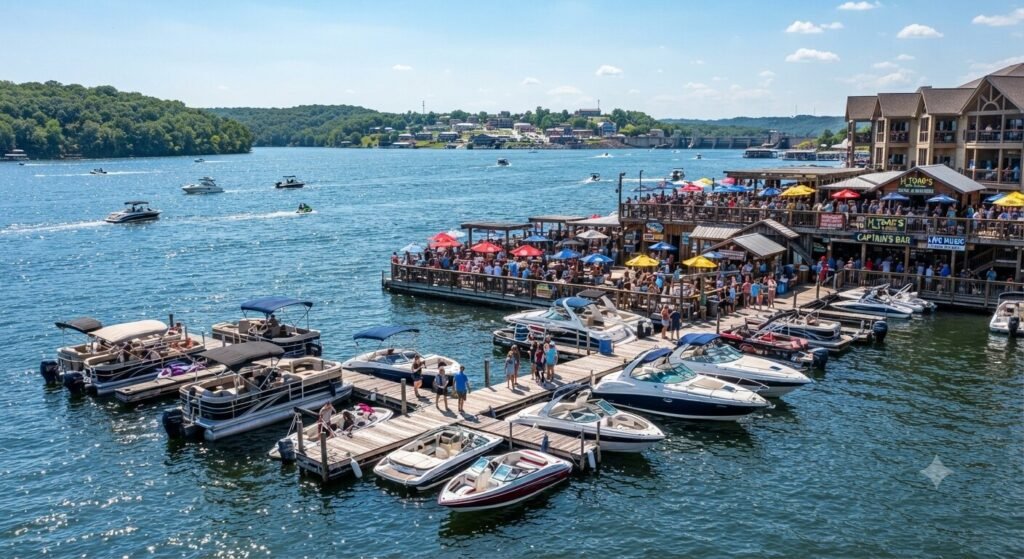
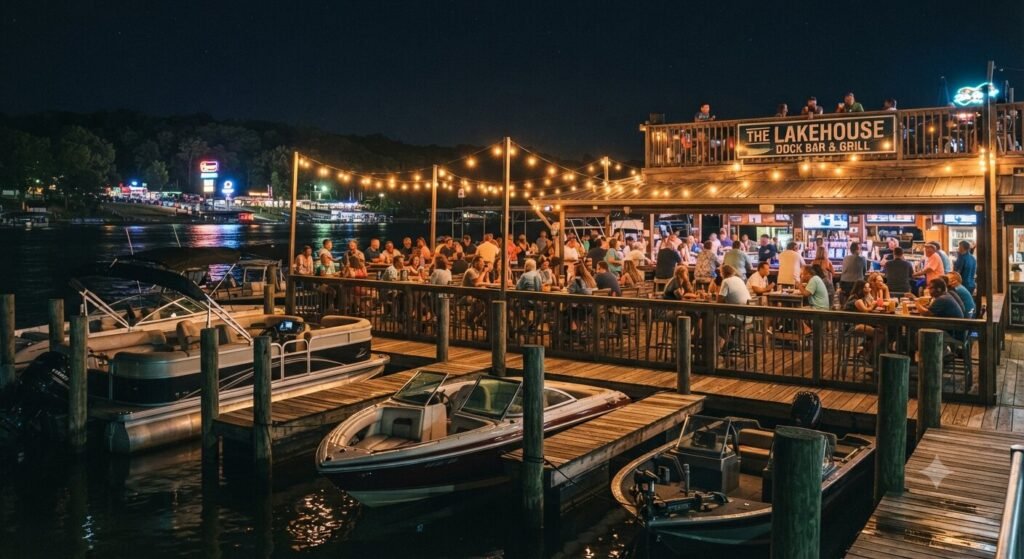
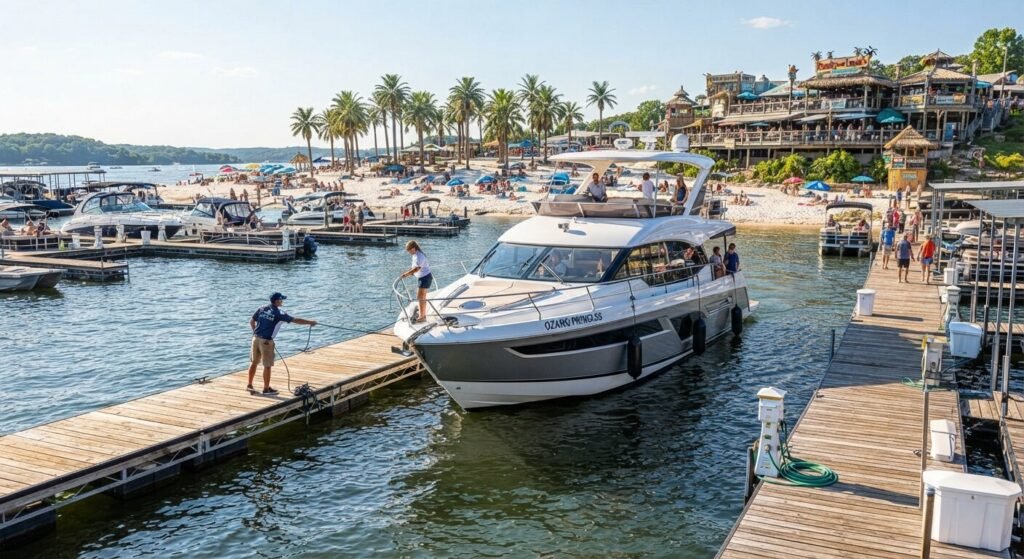
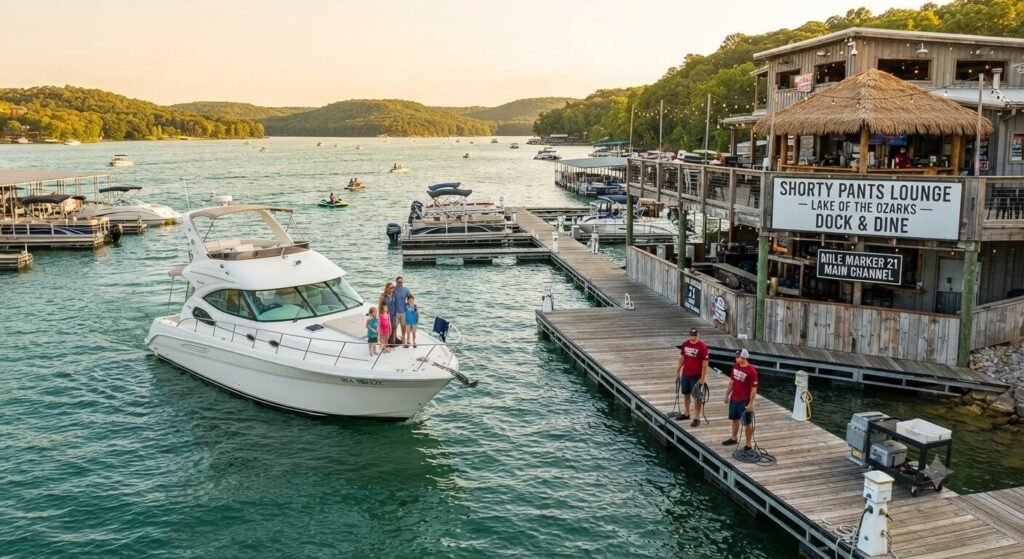
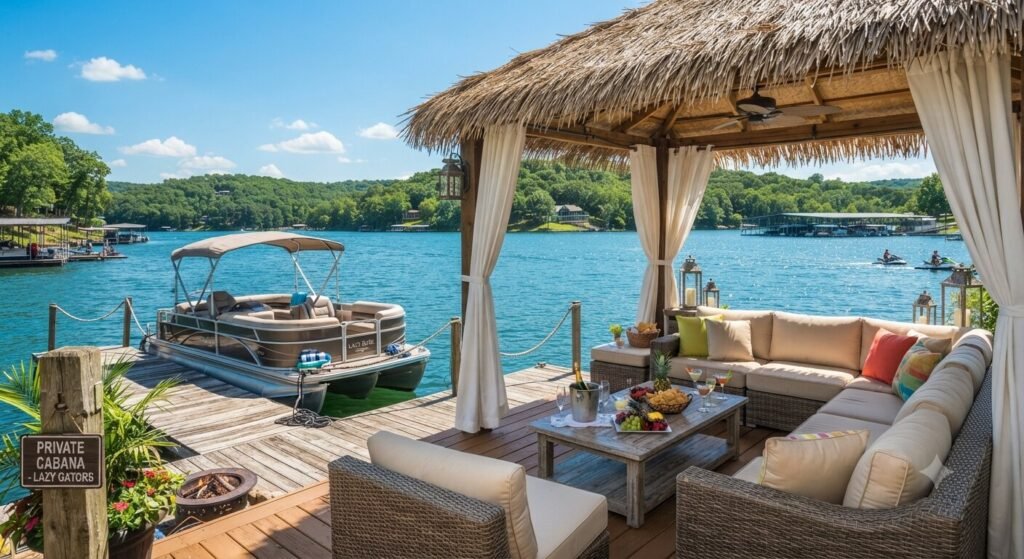
A day at Lake of the Ozarks feels even better when you have your own private space to relax between activities. The Lazy Gators cabana rental with private boat drop off gives you exactly that. It combines the fun and energy of one of the lake’s most popular spots with the comfort of a dedicated cabana and the convenience of arriving directly by water. For anyone planning a Lake Ozark yacht rental trip, adding a cabana stop at Lazy Gators is one of the smartest ways to elevate the whole day. This guide covers everything you need to know about booking and enjoying a cabana at Lazy Gators. From how the private boat drop off works, to what is included in a cabana rental, to practical tips that help your group get the most out of the experience. Whether you are planning a birthday celebration, a bachelor or bachelorette trip, or just a fun weekend on the water with friends, this guide walks you through the entire process. What Makes Lazy Gators a Top Lake Ozark Destination Lazy Gators has built a strong reputation on Lake of the Ozarks as one of the liveliest and most enjoyable waterfront destinations on the entire lake. It combines a genuine party atmosphere with solid food, strong drinks, and a location that is easy to reach whether you are arriving by boat or by car. The energy here is a big part of what draws consistent crowds throughout the summer season. The setting at Lazy Gators includes multiple areas designed for different kinds of guests. There is a lively main bar area for guests who want the full party experience, a spacious outdoor deck with lake views, and private cabana rentals for groups who want a dedicated space of their own. This range of options makes Lazy Gators a flexible stop that works equally well for a big group of friends looking to party or a smaller group wanting a quieter, more private experience by the water. The boat access at Lazy Gators is one of its biggest advantages over land-only venues on the lake. The dock area is designed specifically to accommodate boating guests, and the private cabana rentals take this a step further by offering a dedicated drop off point that makes arriving by water feel seamless. This is especially valuable for groups on a full day yacht rental who want to include a stop at Lazy Gators without dealing with the usual hassle of finding parking or navigating a crowded public dock. How the Private Boat Drop Off Works at Lazy Gators The private boat drop off feature is one of the standout parts of renting a cabana at Lazy Gators. Understanding exactly how this works helps your group plan the day smoothly and avoid any confusion when you arrive. When you book a cabana in advance, Lazy Gators typically coordinates a designated drop off point near your reserved cabana area. This means your captain or vessel operator can bring your group directly to a spot close to your private space rather than tying up at a general public dock and walking a longer distance through the busy main area. For groups traveling with coolers, bags, and other gear, this direct drop off saves time and effort and gets your group settled into your cabana much faster than a standard dock arrival. The exact logistics of the drop off can vary slightly depending on how busy the day is and current water levels at the dock area. It is always best to call ahead directly when booking your cabana to confirm the specific drop off arrangement for your group. Ask about where exactly your vessel should approach, whether there is a dedicated staff member helping guide boats in during busy periods, and what the process looks like for picking your group back up later in the day if you plan to continue your yacht rental after your cabana time ends. Groups arriving on larger vessels should also confirm dock depth for the private drop off area before finalizing their booking. Water levels on Lake of the Ozarks fluctuate throughout the season due to management by Ameren Missouri at Bagnell Dam. A quick call to Lazy Gators the day before or morning of your visit ensures your vessel can safely approach the drop off point without any issues, particularly during periods when lake levels are running lower than usual for the season. What Is Included in a Lazy Gators Cabana Rental A cabana rental at Lazy Gators typically includes a range of amenities designed to make your private space comfortable and enjoyable for the full duration of your booking. Knowing what to expect helps you plan what to bring and what you can leave at home. Most cabana rentals include comfortable seating for your group, often with lounge chairs, cushioned benches, or a mix of both depending on the specific cabana size you book. Shade coverage is a standard feature, which matters significantly during peak summer heat when direct sun exposure for hours at a time becomes uncomfortable and potentially dangerous without proper breaks. Many cabanas also include a small table area for food and drinks, giving your group a dedicated spot to set up snacks, coolers, and personal items without cluttering shared public space. Depending on the specific package you book, some cabana rentals at Lazy Gators include dedicated waitstaff service, meaning you do not need to leave your private area to order food and drinks throughout the day. This upgrade is particularly valuable for larger groups or celebrations where guests want to stay relaxed in one spot rather than repeatedly navigating a crowded bar area to place orders. Confirm whether staff service is included in your specific booking or available as an add-on option when you call to reserve your cabana. Some cabana packages also include welcome amenities such as a bucket of ice, bottled water, or a starter round of drinks for your group upon arrival. These small touches add up to create a genuinely elevated experience compared to simply grabbing a table at the main bar area. Always ask