Kid Friendly Lakeside Restaurants With Boat Slips at Lake Ozark
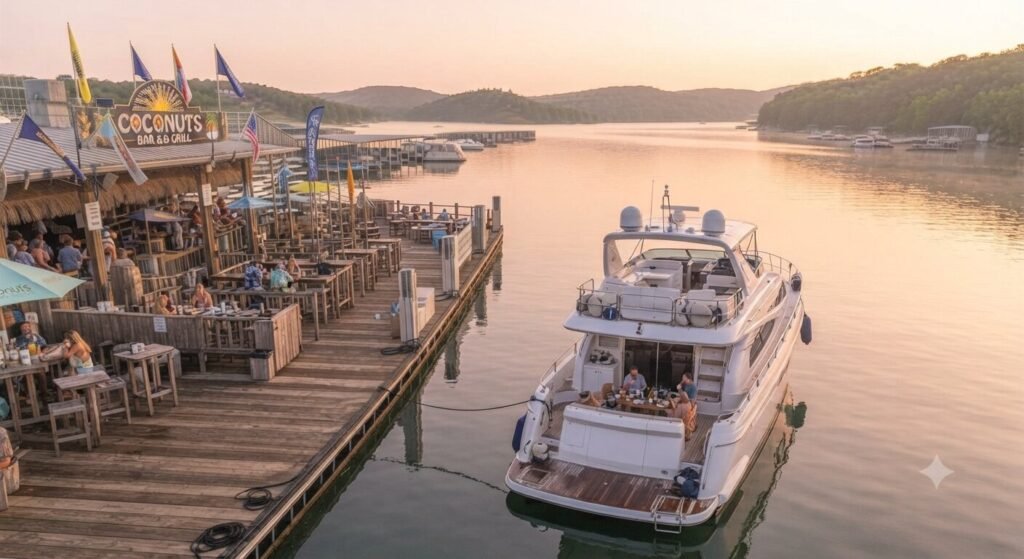
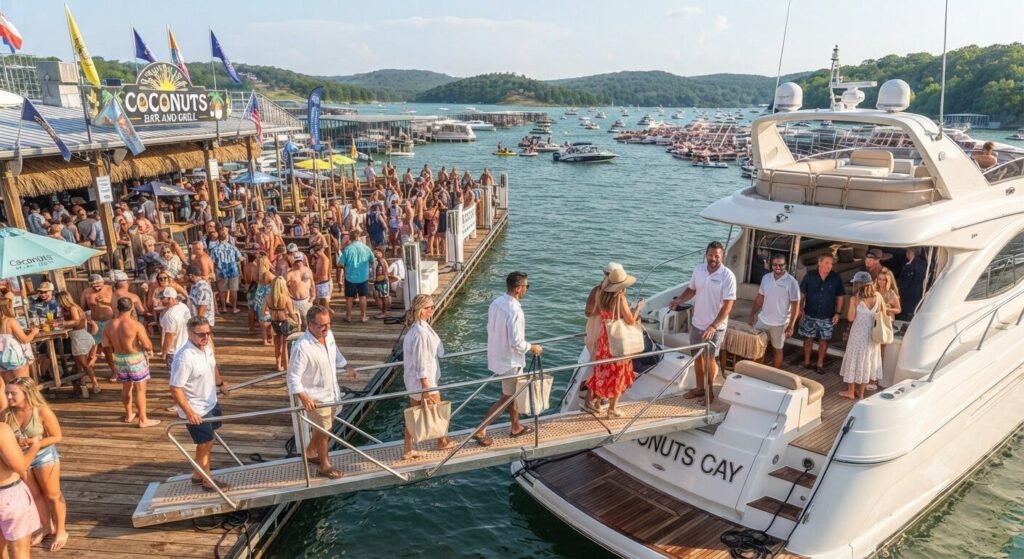
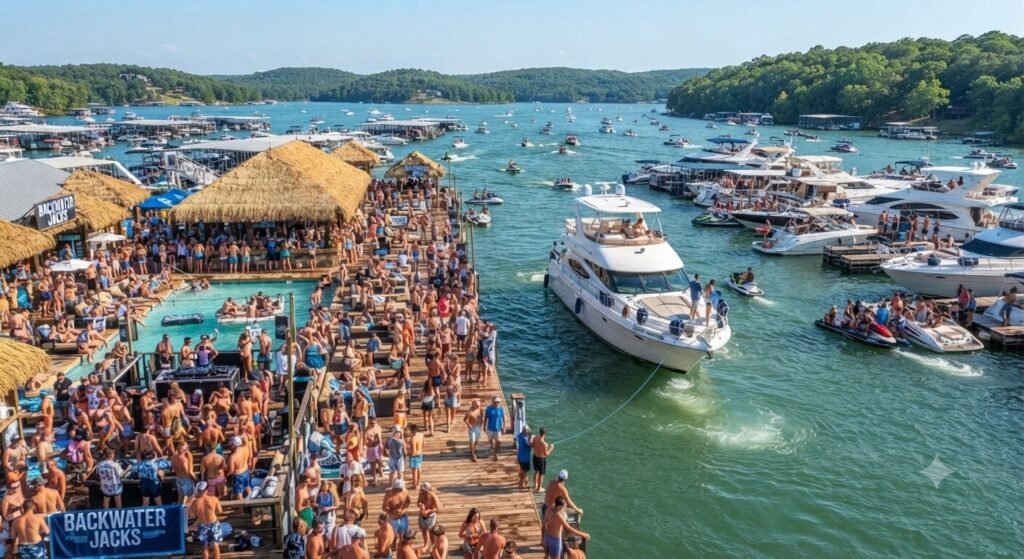
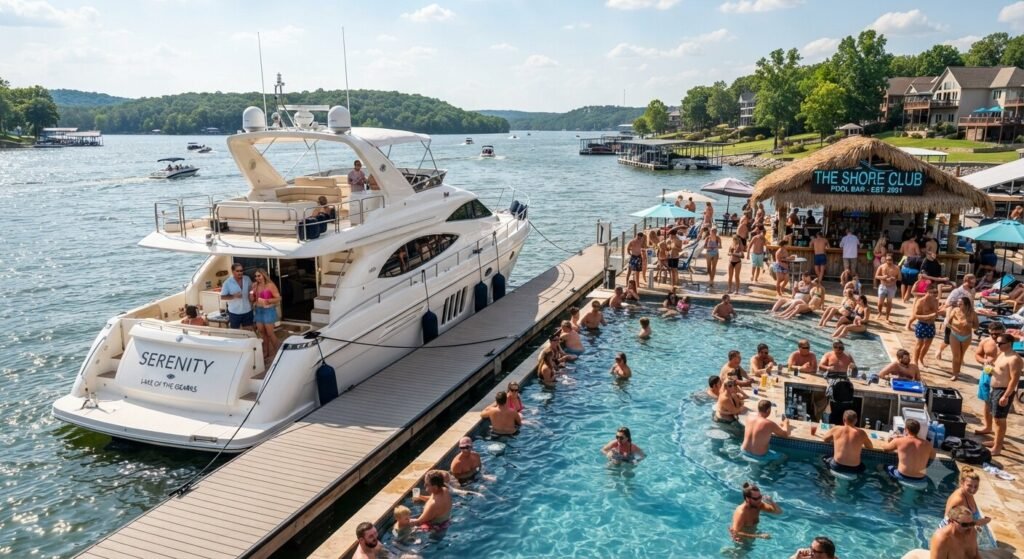
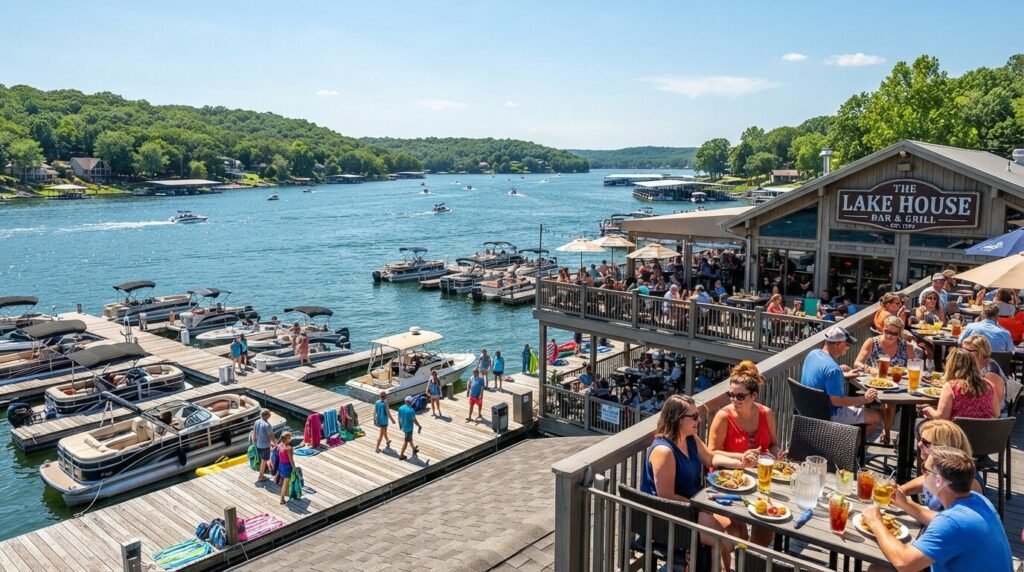
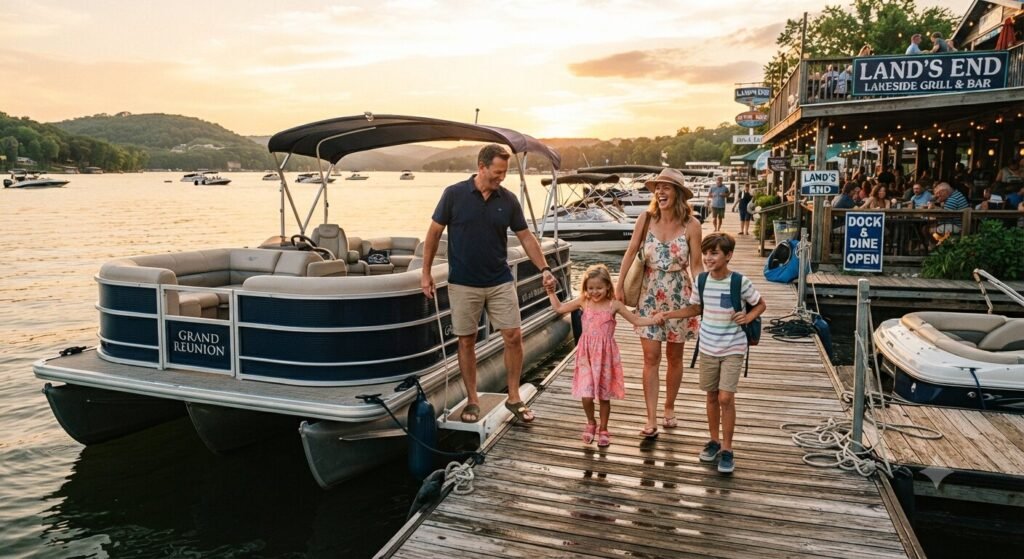
Why Families Love Dock and Dine Trips at Lake of the Ozarks Lake of the Ozarks is one of the best places in Missouri for a family boat trip that ends with a good meal. Parents love the idea of skipping the car ride and pulling right up to a restaurant dock. Kids love the adventure of arriving by boat instead of walking through a parking lot. This simple change turns a normal dinner into a memory the whole family will talk about for years. Many local restaurants understand this and have built their docks and menus with families in mind. A dock and dine trip also gives parents a break from packing coolers and cooking at home. Boat slips at these restaurants make it easy to tie up, walk inside, and enjoy a relaxed meal without worrying about traffic or parking. Most kid friendly spots offer casual menus, quick service, and outdoor seating where children can stay active between courses. This makes the whole outing feel less stressful for parents and more fun for kids. Families visiting Osage Beach, Camden County, and the Bagnell Dam area often build their whole day around these lakeside stops. A morning of swimming or tubing can end with an easy boat ride to a restaurant with a shaded deck and a kids menu. This kind of flexible planning is one of the biggest reasons families keep coming back to Lake of the Ozarks year after year. Best Kid Friendly Lakeside Restaurants With Boat Slips Several restaurants around the lake are known for welcoming families who arrive by boat. These spots usually have wide docks that can handle multiple boats at once, along with staff who are used to helping kids step safely on and off the boat. Menus at these restaurants often include simple favorites like chicken tenders, burgers, and pizza, so picky eaters have plenty of options. Many also offer ice cream or milkshakes, which makes the stop feel like a treat instead of just another meal. Restaurants near Party Cove and the Gravois Arm tend to draw bigger crowds, so families with young children often prefer quieter docks in areas like the Niangua Arm. These calmer locations still offer great food and lake views, but without the loud party boat atmosphere. Shaded patio seating is especially helpful during the hot summer months, since it keeps kids comfortable while they wait for their food. Some restaurants even have small play areas or grassy spots near the dock where children can burn off energy before or after eating. Waterfront restaurants that welcome boats also tend to have flexible seating for larger family groups. This matters a lot when grandparents, cousins, or friends join the trip on a rented pontoon or yacht. Staff at these restaurants are usually happy to push tables together or seat groups near the water so everyone can keep an eye on the boats. Choosing a restaurant with a reputation for family friendly service can make the entire outing much smoother. Planning Your Family Boat Trip to Waterfront Restaurants A little planning goes a long way when taking kids out on the water for a meal. Checking the weather before heading out helps parents avoid sudden storms or rough water, which can be stressful with young children on board. It also helps to plan the route ahead of time so the boat ride to the restaurant does not feel too long for restless kids. Shorter trips across calmer coves are usually more enjoyable than long rides across open water. Packing a small bag with sunscreen, hats, and life jackets sized for each child is an easy way to keep the trip safe and comfortable. Life jackets should always be worn while the boat is moving, even for older kids who feel confident in the water. Bringing a few snacks and water bottles can also help if the restaurant has a short wait for a table. These small steps make the boat ride itself part of the fun instead of a source of stress. Timing the trip around nap schedules or meal times can also make a big difference for families with toddlers. Arriving at a restaurant before the dinner rush often means shorter waits and calmer docks, which is easier for both parents and kids. Many families choose to eat earlier in the evening so they can head back to the marina before it gets dark. This kind of simple planning helps the whole day feel relaxed rather than rushed. Tips for a Smooth Dock and Dine Experience With Kids Docking with kids on board takes a bit more care than docking alone, so slowing down early is always a good idea. Giving children clear instructions before approaching the dock helps avoid confusion once the boat is close to the restaurant. Parents should hold younger kids steady while an adult or captain secures the boat to the dock. This small routine keeps everyone safe and makes the process feel calm instead of rushed. Choosing a restaurant with a wide, sturdy dock makes stepping off the boat much easier for little ones. Some docks include steps or ramps built specifically for families, which reduces the risk of slipping. It also helps to have one adult stay near the boat while another walks the kids toward the restaurant entrance. This kind of teamwork keeps young children close and avoids any last minute rushing. After the meal, checking that all items like sunglasses, toys, and shoes are gathered before returning to the boat can save a lot of hassle. Kids often want to explore the dock area, so a quick reminder about boat safety before boarding again is helpful. Restaurants with good reputations for family visits usually have staff who are patient and used to these routines. This makes the return trip to the boat just as smooth as the arrival. Why Renting a Yacht or Pontoon Makes Family Dining Easier Renting a boat instead of relying on a single family member’s