
If you have spent any time boating on Lake of the Ozarks, you already know the water can change quickly. One stretch that gets a lot of attention from boaters is the area near the 21 mile marker. It is a spot where wave action can become intense, unpredictable, and even challenging for first-time visitors. Understanding what happens here can make your day on the water safer and more enjoyable.
This guide breaks down everything you need to know about wave conditions at this location. Whether you are planning a private yacht charter, a family outing, or a weekend cruise, knowing the 21 mile marker will help you prepare better.
What Makes the 21 Mile Marker So Unique
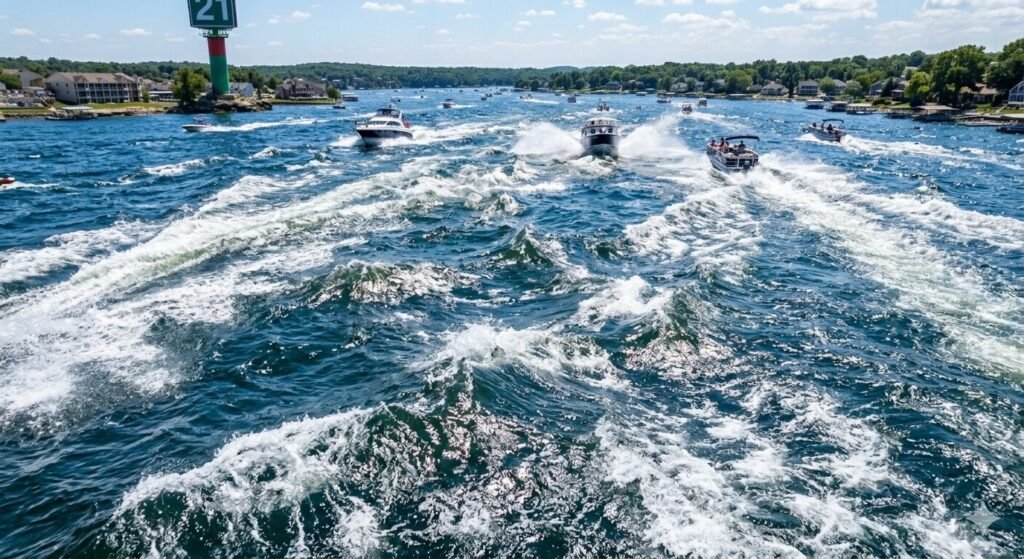
The 21 mile marker sits in one of the busiest corridors of Lake of the Ozarks. This section of the lake is wide and open. It sees some of the heaviest boat traffic on the entire lake. That combination creates wave conditions that are different from most other areas.
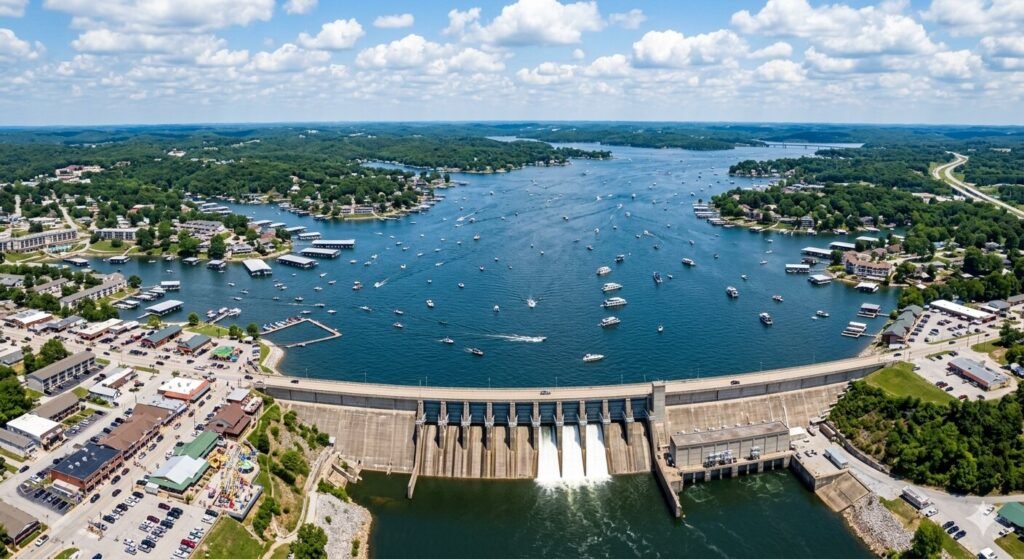
The lake here is a large reservoir shaped by the Bagnell Dam. The geography funnels wind and wake energy into certain zones. The 21 mile marker is one of those zones. Waves coming from multiple directions can collide at this point. That creates what boaters call confused seas. The water does not move in one consistent direction. It comes from multiple angles at once.
This is not dangerous if you know what to expect. But it can surprise boaters who are not prepared. The key is understanding why the waves form and how to handle them confidently.
Why Wave Action Builds Up in This Area
Several factors work together to create strong wave action near the 21 mile marker. Each one plays a role. When they combine on a busy summer day, the water can get quite rough.
Boat traffic is the first and most obvious factor. Lake of the Ozarks draws millions of visitors every year. The stretch near the 21 mile marker is a popular route. Pontoon boats, speedboats, and large charter vessels all pass through this corridor regularly. Every boat creates a wake. Those wakes spread outward and mix with wakes from other boats. The result is a constantly churning surface.
Wind direction matters just as much. The lake runs in long, curved arms. Wind traveling along those arms has a long fetch. Fetch is the distance wind travels over open water before reaching a given point. A longer fetch means larger waves. When the wind blows from a direction that aligns with the main channel near the 21 mile marker, wave heights can increase noticeably even on what looks like a calm day.
Cove and channel intersections also play a role. Several coves and smaller channels meet near this area. When wind-driven waves from one direction hit currents or waves from another, they amplify each other. This is what creates the choppy, confused conditions that boaters experience.
Time of day matters too. Mornings on the lake are typically calmer. Wind speeds rise through the afternoon. By midday and into the late afternoon, conditions near the 21 mile marker are usually at their roughest. If you are looking for smoother water, an early morning charter is often the better choice.
How Wave Conditions Affect Your Boating Experience
Understanding wave action is not just about safety. It also affects comfort, fuel consumption, and how much fun you have on the water.
On a private yacht charter, your USCG-certified captain is trained to read water conditions. They will adjust speed, change course, and find the smoothest path through rough sections. But even with an experienced captain, passengers should be prepared for movement. Holding your drink, staying seated during heavy chop, and being aware of your footing are all part of boating on an active lake.
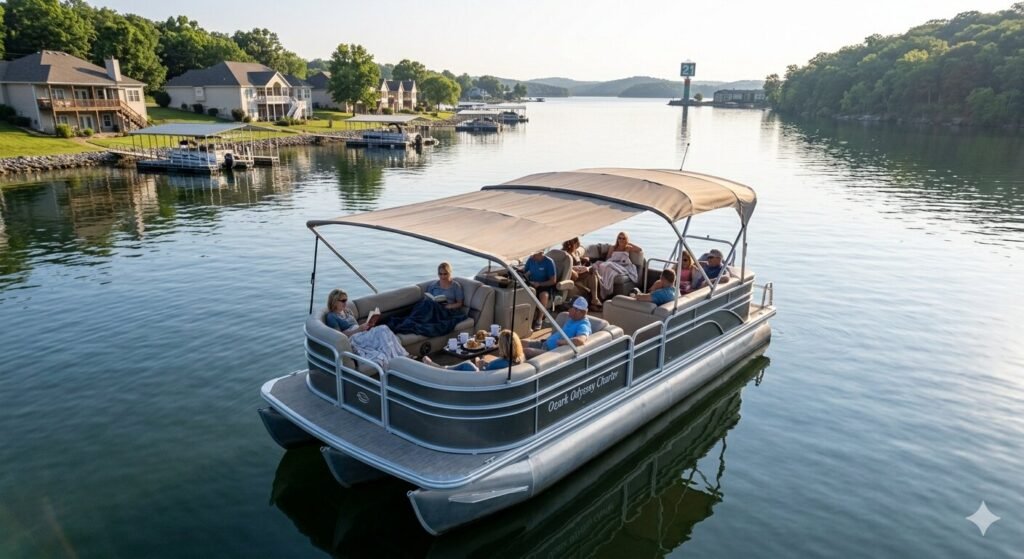
Smaller vessels feel waves differently than larger yachts or tritoons. A smaller boat will ride up and over individual waves. A larger, heavier vessel cuts through them with less motion. This is one reason many guests prefer a tritoon rental or yacht charter when they plan to spend time near busier stretches of the lake. The stability is noticeably better.
Wave action also affects swimming and anchoring. If you plan to anchor and swim near the 21 mile marker, be aware that persistent wave action can make the swim ladder harder to use. Wakes from passing boats can arrive in quick succession. Always swim with a life jacket in open water situations, and make sure someone remains on board while others are in the water.
Seasonal and Weekly Patterns to Know Before You Go
Wave conditions at the 21 mile marker are not the same every day. They follow clear patterns based on the season, day of the week, and time of day.
Summer weekends are the most intense. Holiday weekends around Memorial Day, Fourth of July, and Labor Day push boat traffic to its highest levels. These are the days when the 21 mile marker sees the most concentrated wake energy. Boaters who prefer calmer conditions often choose weekday departures during these holiday windows.
Spring and fall bring different conditions. Fewer boats are on the water. However, wind speeds are often higher in spring. Fall days can bring gusty northwest winds that push waves up the main channel. The wave action during these seasons is driven more by weather than by boat traffic.
Early morning hours, typically before 10 AM, offer the most manageable conditions on any given day. The wind has not built up yet and most boat traffic is still launching. If your charter departs early, your transit through busier corridors will be noticeably smoother.
Afternoon thunderstorms are common in the Lake of the Ozarks region during summer. Storms build quickly and can change wave conditions from manageable to dangerous within minutes. Your captain will monitor weather closely. If conditions deteriorate, adjusting the route or finding sheltered water is always the right call.
Navigating the 21 Mile Marker Safely
Safe navigation near the 21 mile marker comes down to a few core principles. These apply whether you are on a private charter or piloting your own vessel.
Reduce your speed before entering choppy water. A slower speed gives you more control. It also reduces the wake you create for other boaters. Many experienced captains drop their speed well before reaching areas known for congestion and chop.
Keep a wide berth from other boats. In busy areas, boats sometimes drift toward each other as they navigate waves. Maintaining distance gives everyone more room to respond if something unexpected happens.
Know the no-wake zone boundaries. Parts of the lake near popular coves and marinas have designated no-wake zones. These areas reduce congestion and keep wave action manageable close to shore. Respecting these boundaries is both a legal requirement and a courtesy to other boaters.
Communicate with your passengers. If you are on a charter with guests who have not boated much, let them know when you are entering a choppier section. A quick heads-up prevents surprises. It also gives guests time to secure their belongings and sit down if needed.
When you book a yacht rental through Yacht Rental Lake Ozark, your USCG-certified captain handles all of this for you. They know this lake well. They have navigated the 21 mile marker in all kinds of conditions. That experience is one of the biggest advantages of choosing a captained charter over a bare boat rental.
What to Expect on a Chartered Yacht Near the 21 Mile Marker
Many charter routes on Lake of the Ozarks pass through or near the 21 mile marker. Popular destinations like Party Cove, the Gravois Arm, and restaurants and bars along the Osage Beach corridor are all within reach of this stretch.
When you board your chartered yacht, your captain will review the day’s plan with you. They will note any areas to be aware of on the route. The 21 mile marker may come up if weather and traffic suggest a rougher transit. In some cases, your captain may adjust the route slightly to give you a smoother ride.
Party Cove is a popular stop for charters. Accessing it means transiting through some of the busiest water on the lake. Your captain’s knowledge of wave patterns and traffic flows is what makes this experience comfortable rather than stressful.
For guests who want to explore without worrying about the water, a captained charter is the ideal choice. You can relax, enjoy the scenery, and let an experienced professional manage the navigation. That peace of mind is a big part of why captained charters remain the most popular option at Lake of the Ozarks.
Tips for First-Time Visitors to Lake of the Ozarks
If this is your first time on the lake, a few simple steps will help you enjoy the experience fully. The wave action at the 21 mile marker can catch new visitors off guard. These tips will help you feel prepared.
Book a captained charter for your first visit. You will learn the lake, understand how conditions change, and enjoy the experience without the stress of managing a boat in unfamiliar water. It is the single best decision a first-time visitor can make.
Dress in layers for early and late season trips. Morning air on the water is cooler than you expect, even in summer. Wind chill on the water is real. A light jacket is easy to remove once the day warms up.
Bring sunscreen and reapply it. Reflected sunlight off the water intensifies UV exposure. Even on cloudy days, sun protection is important.
Stay hydrated. A day on the lake feels more relaxing than it is physically. Heat, sun, and wind dehydrate you faster than you realize. Keep water accessible throughout the day.
Listen to your captain. If they recommend slowing down, changing course, or stopping in a protected area, that advice comes from experience. They are managing your safety and their own. Trust their judgment.
Frequently Asked Questions
Is the wave action at the 21 mile marker dangerous for beginners?
The 21 mile marker is not inherently dangerous, but it can be challenging for inexperienced boaters. Conditions here depend heavily on boat traffic and wind. An experienced USCG-certified captain can navigate this area safely and comfortably. If you are new to boating on Lake of the Ozarks, booking a captained charter is the best way to experience the lake confidently. Your safety is always the top priority.
What time of day has the calmest conditions near the 21 mile marker?
Early morning is almost always the calmest time on this stretch of the lake. Boat traffic is lighter and wind speeds are typically lower before 10 AM. If you want a smoother ride through this area, scheduling your charter departure in the morning gives you the best chance of calmer water. Afternoon conditions, especially on weekends, tend to be rougher due to increased traffic and building winds.
Can large yachts handle rough wave action at the 21 mile marker?
Yes. Larger vessels like yachts and tritoons handle wave action significantly better than smaller boats. Their weight and hull design allow them to cut through chop rather than bouncing over it. Guests on a large yacht charter will feel less motion and ride more comfortably through this section of the lake. This is one reason a chartered yacht is often the preferred option for families and groups visiting the 21 mile marker area.
Does wave action affect fishing near the 21 mile marker?
Yes, it can. Significant chop makes it harder to hold a consistent position and can affect casting accuracy. Many anglers prefer to fish in quieter coves and along sheltered shorelines rather than in open water during peak traffic hours. Early morning trips offer the best fishing conditions near this area before boat traffic builds up throughout the day.
How do USCG-certified captains handle rough conditions at this location?
Captains use a combination of speed adjustment, course selection, and timing to manage rough conditions. They reduce speed before entering heavy chop, choose angles that minimize wave impact on the hull, and sometimes reroute to avoid the worst of the congestion. Their experience with local conditions, seasonal patterns, and weather forecasting gives them the tools to keep guests comfortable even when water conditions are challenging.
How does wind direction affect wave conditions at the 21 mile marker?
Wind direction is one of the biggest factors in how rough the water gets at the 21 mile marker. When wind blows along the length of the main channel, it travels over a long stretch of open water before reaching this point. That extended distance allows waves to grow taller and more powerful. A wind blowing across the channel rather than along it creates less significant wave buildup. Checking wind direction before your trip gives you a much better idea of what conditions to expect when you arrive at this stretch.
Should I be concerned about wave action if I get seasick easily?
Motion sickness is worth considering if you know you are sensitive to it. The 21 mile marker can produce a rhythmic rocking motion that affects some passengers. Taking motion sickness medication at least an hour before departure is a smart precaution. Staying in the middle of the boat where motion is least pronounced also helps significantly. Your captain can also adjust speed and heading to reduce the amount of rolling and pitching your group experiences during transit through this area.
Is it safe to bring young children on a charter that passes through the 21 mile marker?
Yes, it is safe with the right preparation. Children should always wear properly fitted life jackets on the water. Make sure young passengers are seated and holding on when the boat enters choppier sections. A captained charter is especially well suited for families with children because the captain manages all navigation decisions. Let your captain know you have young children aboard when you book so they can plan the smoothest possible route and timing for your group.
Plan Your Lake of the Ozarks Charter with Confidence
The 21 mile marker is one of the most talked-about stretches of water on Lake of the Ozarks. Understanding the wave action here helps you plan better and enjoy the lake fully. Whether you are cruising past it on your way to Party Cove, anchoring nearby for a swim, or simply transiting through on a longer charter route, knowing what to expect makes all the difference.
Yacht Rental Lake Ozark offers captained yacht and tritoon charters with experienced USCG-certified captains who know every mile of this lake. From Camden County coves to the open main channel near Osage Beach, your captain will guide you through it all safely and comfortably. Book your charter today and experience Lake of the Ozarks the right way.