
Do You Need a Boating License to Rent a Yacht in Missouri?
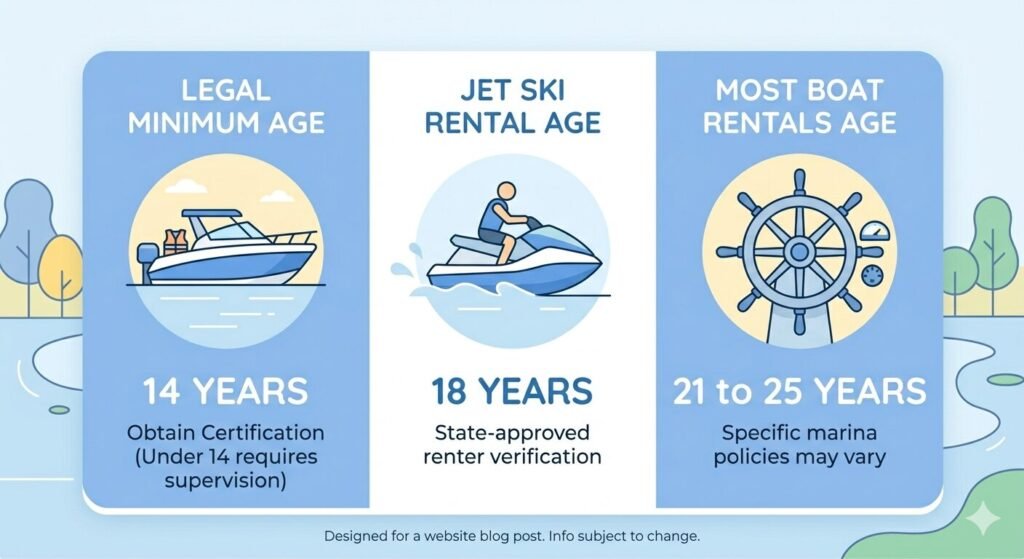
Planning a yacht trip on the Lake of the Ozarks? That’s a great choice. The lake is huge. The views are stunning. But before you book your yacht, you probably have one big question on your mind. Do you need a boating license to rent a yacht in Missouri? The short answer is it depends on your age. Missouri has a simple rule based on your birth year. This guide breaks it all down. You will learn the exact rule, how to get a temporary permit, and what other things you need before you step on board. Do You Need a Boating License to Rent a Yacht in Missouri? Yes, in most cases. But not everyone needs one. Missouri law says that anyone born after January 1, 1984 must have a boater education card to drive a motorized vessel on the state’s lakes. This includes yachts, pontoon boats, ski boats, and other powered watercraft. If you were born on or before January 1, 1984, you are exempt. You do not need any license or card. You can rent a yacht and drive it freely, as long as you follow normal safety rules. So the real question is not “do I need a license.” The real question is “was I born after 1984.” That single date decides everything. This rule applies to both Missouri residents and visitors. It does not matter where you live. If you plan to drive a powered boat on Lake of the Ozarks, this rule applies to you. Missouri’s Boater Education Law and the 1984 Rule This law is not new. It has been active since January 1, 2005. The state created it to reduce boating accidents and keep the lake safer for everyone. The rule itself is simple to remember. If you were born after January 1, 1984, you must have a boater education card before you operate a motorized vessel. If you were born on or before that date, you are fully exempt and need nothing at all. This rule is enforced on the water. The Missouri State Highway Patrol Water Patrol Division is the main agency that checks for compliance. Other local officers can also enforce it. If you are stopped and you do not have proof, you could face a fine. This is why most yacht rental companies ask about your birth date before they hand you the keys. It is not personal. It is simply the law. What Is a Boater Education Card In Missouri, there is no traditional driver’s license style document just for boats. Instead, the state uses something called a boater education card. People often call it a boating safety identification card. This card proves that you completed an approved boating safety course and passed the required test. Getting it is a straightforward process. You sign up for an approved course, either online or in a classroom setting, then study the material at your own pace. Once you feel ready, you take the final test, and after passing, you pay a small fee to receive your official card. From that point on, you simply carry this card along with a photo ID whenever you go boating. The best part is that this card lasts for life, so there is no yearly renewal to worry about. The course is approved by both the Missouri State Highway Patrol and the National Association of State Boating Law Administrators (NASBLA). This means it meets national safety standards, not just state ones. If you already have a boating license from another state, and that state’s course is NASBLA approved, Missouri may accept it. You will not need to retake a new course in that case. The Temporary Boating Permit for Renters at Lake Ozark Here is the good news for visitors. Not everyone wants to take a full course just for one weekend trip. Missouri offers a temporary boating permit built specifically for people who rent boats or yachts but do not have a full boater education card. This permit works differently from the full course. Instead of a long class, you complete a short online checklist that covers basic rental safety information. Once you pass it, the permit becomes valid for seven days, which is more than enough time for a typical lake vacation. The cost is usually quite small, often less than ten dollars, and you can print your card right away after finishing the checklist. The one thing to remember is that this option can only be used one time in your entire life, so it works best as a true backup for visitors rather than a regular solution. This option is perfect for tourists. If you are visiting Lake Ozark for a weekend and you were born after 1984, this temporary card lets you legally drive a rental yacht without a long process. Just remember, since you can only use this option once in your lifetime, plan ahead. If you plan to visit Missouri lakes more than once and want to drive the boat yourself each time, it might be smarter to get the full boater education card instead. How to Get Your Missouri Boater Education Card Online Getting this card is easier than most people expect. The whole thing can be done from your phone or laptop before you even arrive at the lake. The process starts with choosing an approved course provider, and Boat-Ed is one of the most common options used in Missouri. Once you pick a provider, you move through the online course material, which usually takes just a few hours and can be completed at your own pace whenever you have free time. After finishing the lessons, you take the final test, and most providers allow you to retake it if you do not pass the first time. Once you score well enough, you pay the required fee, which is usually a small amount separate from your yacht rental cost. After payment, you can immediately print or save your card, and you simply bring