Safest Coves to Anchor a Large Yacht at Lake of the Ozarks
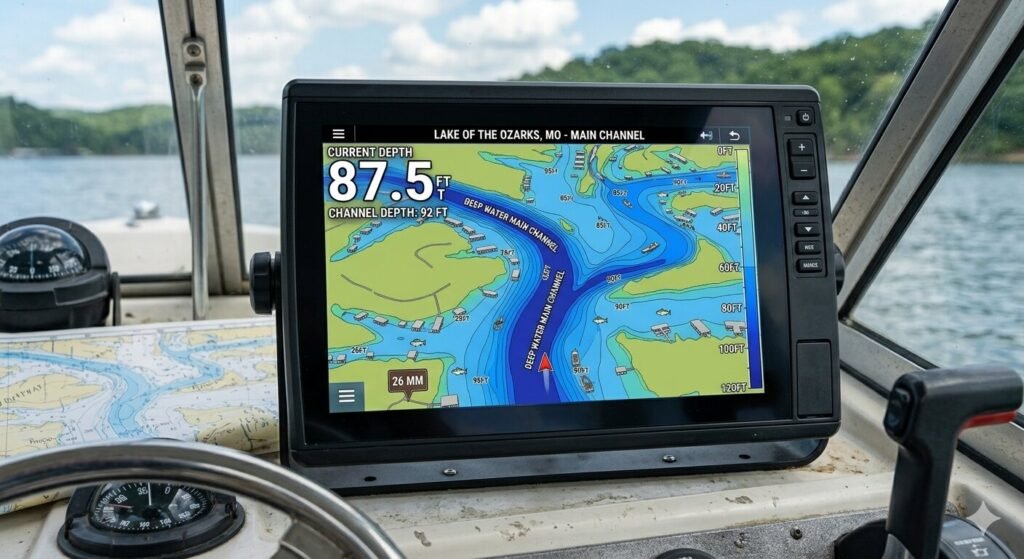
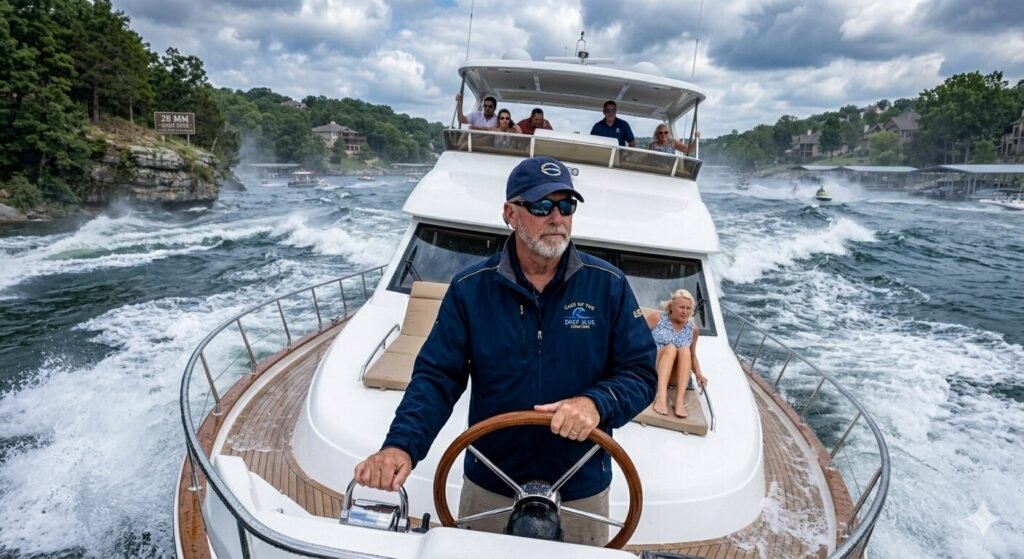
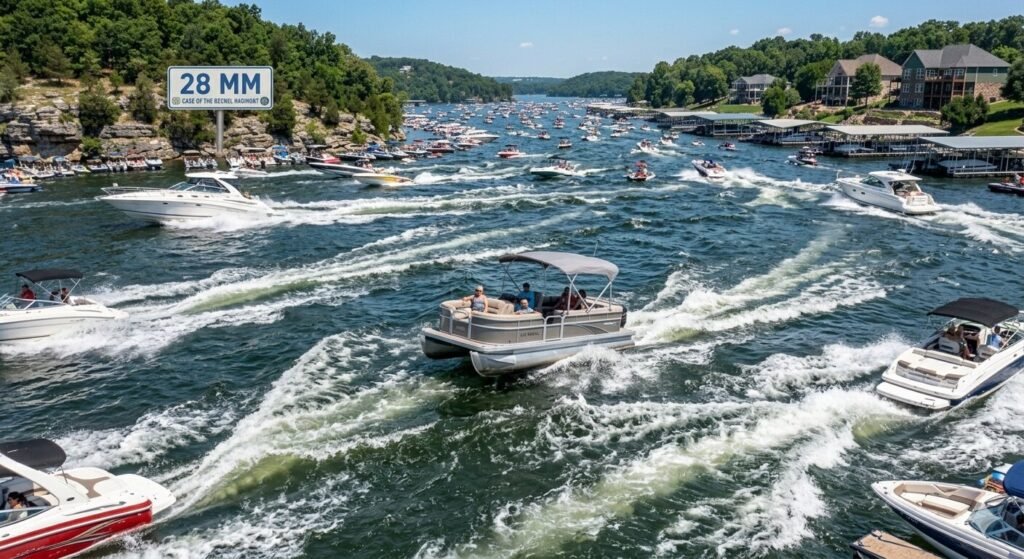
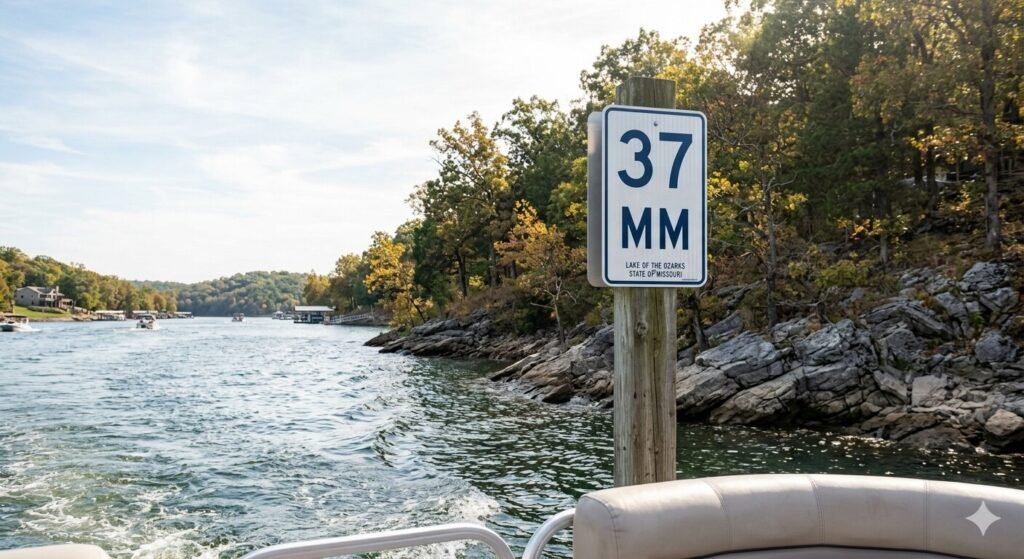
Anchoring a large yacht is not the same as dropping a hook from a small fishing boat. The vessel is heavier. It draws more water. It swings a wider arc on the anchor rode. It needs more room, more depth, and more natural protection from wind and wake to sit comfortably through the night or through an afternoon swim stop. Lake of the Ozarks has over 1,100 miles of shoreline and hundreds of coves scattered across its 54,000 acres. Some of those coves are perfect for a large yacht. Others are too shallow, too exposed, or too congested to be practical. Knowing which coves offer the right combination of depth, protection, and space is what separates a comfortable anchoring experience from a frustrating or unsafe one. This guide covers the safest coves to anchor a large yacht at Lake of the Ozarks. You will know which areas to prioritize, what to look for when evaluating any cove, and how to set up for a safe and comfortable stay whether you are anchoring for an afternoon or spending the night. What Makes a Cove Safe for a Large Yacht at Lake of the Ozarks Before naming specific locations, it is worth understanding what characteristics define a safe anchorage for a large vessel. Not every sheltered-looking cove delivers what a big boat actually needs. Evaluating each of these factors before you commit to an anchorage saves you from a bad night on the water. Adequate depth throughout the swing radius is the first requirement. A large yacht drawing 4 to 5 feet of water needs a minimum of 8 to 10 feet at the anchor position to provide safe clearance at any point in its swing arc. The swing radius is determined by the length of anchor rode deployed. A vessel with 80 feet of rode out can swing in a circle with an 80-foot radius. Every point within that circle needs adequate depth. Anchoring at 15 feet in the center of a cove that rises to 4 feet at its edges can result in grounding when wind shifts the vessel to the shallow side of its swing. Protection from wind and wave action defines how comfortable an anchorage will be. A cove that opens directly to the main channel receives the full force of traffic wake and wind-driven chop. A cove with a narrow entrance and high bluff or tree-covered banks on multiple sides creates a natural windbreak and blocks the majority of passing wake. Bluff-lined coves are particularly effective at wind protection because the rock faces deflect rather than absorb wind energy. These are consistently among the most comfortable anchorages for large vessels on this lake. Room to maneuver into and out of the cove matters significantly for a 50 foot vessel. Some coves on Lake of the Ozarks are narrow at their entrance and open up inside. Others are wide at the entrance and quickly narrow toward the back. A large yacht needs adequate turning radius to enter, position for anchoring, and exit safely. Coves that require sharp turns in confined spaces with shallow margins are not appropriate for large vessel anchorage regardless of their other qualities. Distance from high-traffic areas affects both comfort and safety. Coves adjacent to busy marinas, waterfront bars, or sections of the main channel with heavy traffic receive constant passing wake. That wake rolls into the cove entrance and creates a persistent rolling motion that makes for an uncomfortable experience. Coves situated away from the highest traffic corridors deliver significantly more rest and relaxation whether you are anchoring for an afternoon or overnight. Bottom composition affects anchor holding ability. Lake of the Ozarks has a mix of muddy, sandy, and rocky bottom conditions depending on location. Muddy and sandy bottoms provide the best holding for most anchor designs. Rocky bottoms are more challenging. A fluke-style anchor struggles on hard rock. A claw or plow design handles varied bottom conditions better. Bluff-lined coves often have rocky bottom near the cliff faces and softer substrate in the cove interior. Positioning your anchor in the softer interior substrate while using the bluff for wind protection gives you the best of both characteristics. Absence of submerged hazards is essential, particularly in less-frequently visited coves. Lake of the Ozarks was formed by flooding a river valley. Submerged timber, old fence lines, and flooded infrastructure exist in some sections. Using a depth finder at low speed to scan the cove before anchoring identifies bottom irregularities that might snag your anchor or damage your running gear during the swing. The Best and Safest Anchoring Coves by Lake Section Lake of the Ozarks is too large and too varied to describe as a single entity. The right anchoring cove depends partly on where you are operating on the lake and what your overall itinerary looks like. Here is a breakdown of the best large vessel anchoring options by section of the lake. Lower Lake | Mile Marker 1 Through Mile Marker 18 The lower lake section closest to Bagnell Dam has the deepest water on the entire lake. The main channel here exceeds 100 feet in depth. However, the lower lake is also the most commercially developed section. Cove anchoring in the immediate vicinity of the dam strip and the Lake Ozark city area means proximity to marina activity, waterfront businesses, and boat traffic that runs through the evening. The coves in the Ha Ha Tonka State Park area on the south shore of the lower lake are worth noting. This section of the lake borders one of Missouri’s most beautiful state parks. The bluffs and forested shoreline of the Ha Ha Tonka area provide dramatic natural protection. Several coves along this south shore have adequate depth for large vessel anchoring with the bonus of a protected and scenic setting. The natural beauty here is exceptional. The park’s rock formations and spring-fed streams are visible from the water and create a backdrop that is unlike anything else on this lake. Coves