Top Bachelor Party Restaurants with Big Boat Slips in Lake of the Ozarks
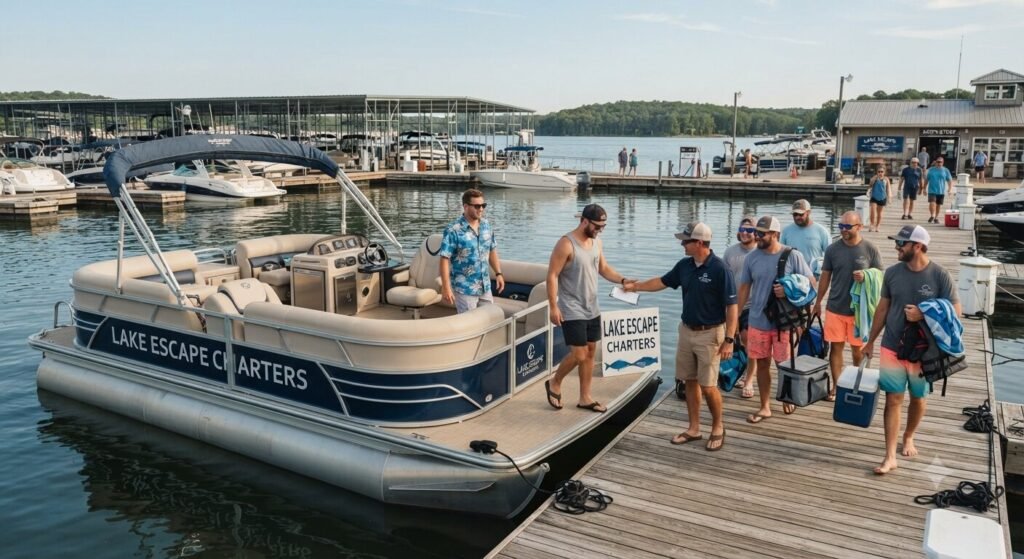
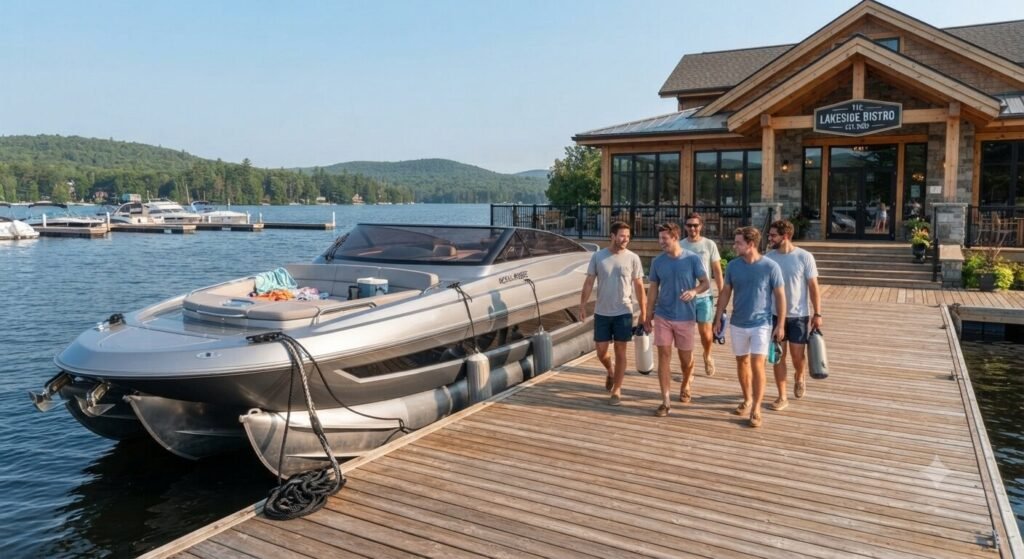
A great bachelor party day needs a great place to dock and eat. Lake of the Ozarks offers several restaurants with large boat slips built for big groups. This makes it easy to pull up, tie off, and head straight into a meal. This guide covers the top bachelor party restaurants with big boat slips at the lake. Docking right at the restaurant saves time and keeps the day moving smoothly. No need to find parking or walk far from the water. This guide breaks down the best spots for food, drinks, and dock space. Use this list to plan the perfect restaurant stops for your bachelor trip. Why Boat Slip Size Matters for a Bachelor Party A large boat slip makes docking easy for bigger charter boats and yachts. Smaller slips can create delays or force groups to wait for space. This becomes especially important for bachelor parties using tritoons or full size yachts. Choosing restaurants with big slips avoids this kind of frustration. Big slips also mean less stress for your captain during a busy day. Experienced captains still prefer wider, well maintained docking areas. This makes the whole stop feel smoother and more relaxed for everyone aboard. It also reduces the risk of delays that can throw off your schedule. Restaurants with large slips are also more used to handling bigger groups overall. Staff know how to seat and serve large parties arriving by boat. This experience makes the entire stop feel more organized and efficient. It creates a better overall experience for a bachelor party crew. Backwater Jacks for Big Energy and Easy Docking Backwater Jacks remains one of the top choices for bachelor party groups at the lake. It offers large boat slips designed to handle bigger charter boats easily. The energy here matches the size of the dock, with music and a lively crowd. This makes it a perfect stop for groups wanting excitement with their meal. The menu here includes classic bar food along with heartier options for hungry groups. Staff are used to seating large parties who arrive by boat throughout the day. This keeps wait times reasonable, even during busy summer weekends. The overall vibe fits perfectly with a high energy bachelor party schedule. Docking here is straightforward for most tritoons and larger yachts. The slip space comfortably handles multiple boats arriving at once. This makes it easy for larger groups to coordinate with other boats in their party. It remains a reliable, popular choice for bachelor trips throughout the season. Shady Gators for a Relaxed Dockside Meal Shady Gators offers a slightly calmer atmosphere while still providing solid boat slip space. Groups can dock easily and walk right into a relaxed dining setting. This makes it a good midday stop during a longer bachelor party charter. The food here pairs well with a break from louder, more crowded spots. The dock space here comfortably fits larger boats without much hassle. Staff are experienced with handling groups who arrive throughout the day. This keeps the process smooth, even when multiple boats dock around the same time. It works well for groups wanting good food without excessive noise. This spot also offers scenic lake views alongside the meal itself. Groups can enjoy a nice break with a view while docked comfortably. This combination of easy docking and good scenery makes it a smart choice. It balances well against louder stops elsewhere on your itinerary. Bars and Restaurants Near Bagnell Dam The area near Bagnell Dam includes several restaurants with generous boat slip space. These spots often combine solid food with impressive views of the dam itself. Many bachelor party groups enjoy stopping here for a scenic meal break. The dock space accommodates larger boats without much difficulty. Restaurants in this area tend to offer a slightly more relaxed dining experience overall. This works well for groups wanting a break from louder party stops. The scenery adds a memorable touch to photos from the trip. It creates a nice contrast to the more energetic stops on your route. Docking near Bagnell Dam also puts your group close to other nearby attractions. This makes it easy to combine a meal stop with sightseeing along the way. The larger slips in this area handle bigger charter boats comfortably. This makes it a smart addition to a well planned bachelor party route. Restaurants Along the Party Cove Corridor Several restaurants near the Party Cove corridor offer large slips built for high traffic days. These spots see heavy boat traffic during peak summer weekends each year. Big slip space helps manage this traffic without long waits for docking. This makes them a practical choice for groups already planning a Party Cove stop. The energy at these restaurants often matches the excitement found nearby at Party Cove itself. Groups can grab food and drinks before or after spending time in the cove. This creates a natural flow between activities during a busy bachelor party day. The large dock space supports this kind of flexible, multi stop itinerary. Staff at these restaurants are well experienced with handling the busy summer crowd. This experience helps keep service quick, even during the busiest hours of the day. Groups benefit from this efficiency when trying to fit multiple stops into one day. It makes these restaurants a smart, practical choice for a packed itinerary. What to Expect When Docking for a Meal Most restaurants with big slips have staff on hand to help guide boats into place. This makes the docking process quick, even for larger yachts or tritoons. Groups can usually step off the boat and be seated within minutes. This efficiency matters when trying to fit multiple stops into a single day. Some restaurants may require a short wait during the busiest hours of the day. This is especially true at popular spots during peak summer weekends. Planning your arrival slightly earlier or later than peak hours can help avoid this wait. Your captain can help time your arrival