Where Do Bachelorette Parties Hang Out on Lake of the Ozarks
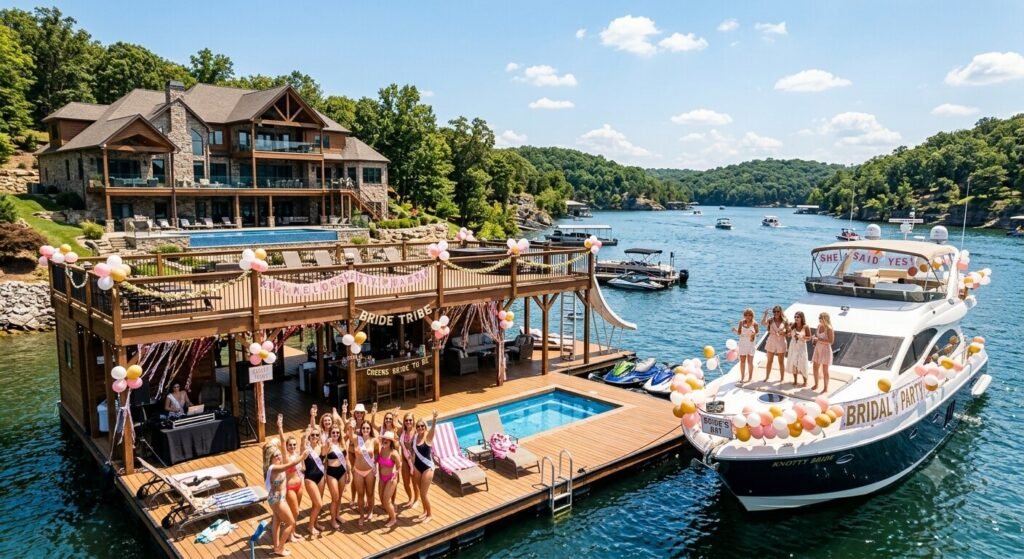
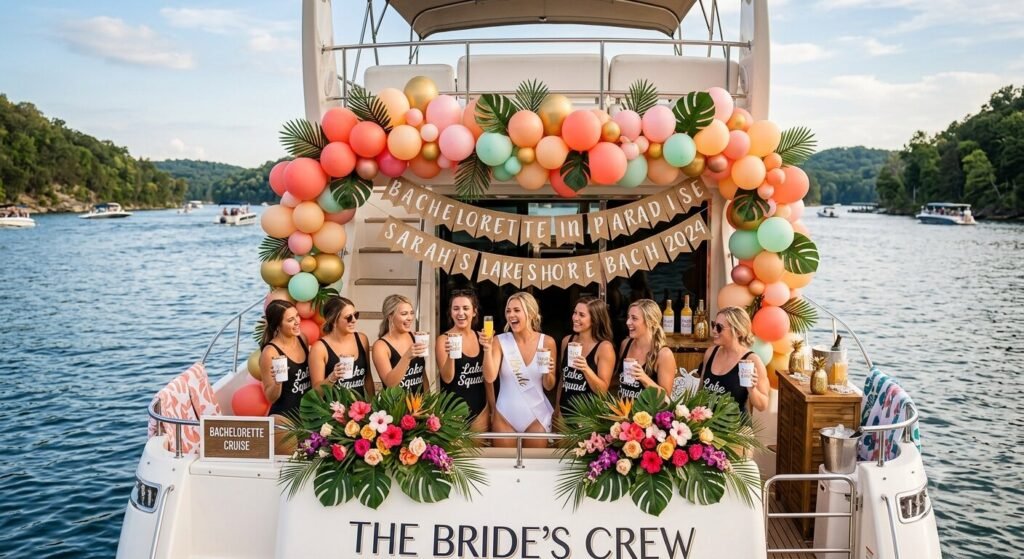
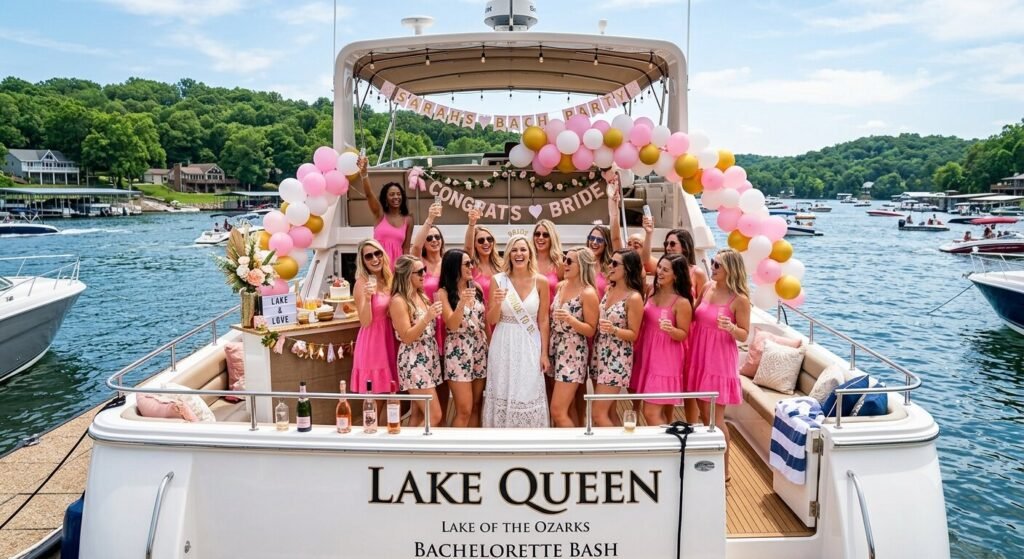
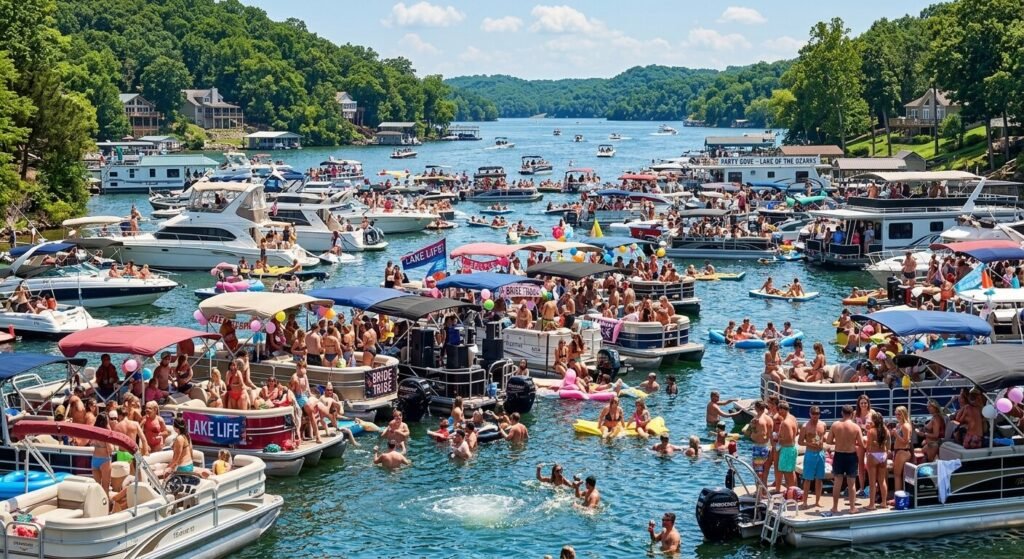
Lake of the Ozarks is one of the best bachelorette destinations in the entire Midwest. Every summer, thousands of groups descend on this stunning Missouri lake to celebrate their favorite bride-to-be. The lake has everything. Gorgeous water. Iconic party spots. Great food. Lakefront bars. Private coves. And one of the most vibrant boat party scenes in the country. If you are planning a bachelorette party at Lake of the Ozarks and wondering exactly where to go, this guide has every answer you need. From the legendary Party Cove to the best lakefront bars on the water, here is the complete breakdown of where bachelorette groups actually spend their time at Lake Ozark. Why Lake of the Ozarks Is a Bachelorette Party Destination Lake of the Ozarks is not just a lake. It is an experience. The lake stretches over 1,150 miles of shoreline across Camden County and surrounding areas in central Missouri. It is massive, beautiful, and packed with energy during the summer months. What makes it so perfect for bachelorette groups is the combination of things it offers. You can party hard at a floating bar one hour and anchor in a quiet cove the next. You can book a private yacht charter for a luxury on-water experience or hop between lakefront bars on a boat bar crawl. The lake gives you complete control over your experience. Osage Beach is the main hub of activity. It is the most developed stretch of the lake with the highest concentration of restaurants, bars, entertainment venues, and rental options. Most bachelorette groups base themselves here. But the lake is big enough that you can explore far beyond Osage Beach and find completely different energy in other areas. The summer season at Lake of the Ozarks runs hot from Memorial Day through Labor Day. Bachelorette groups are everywhere during these months. The local businesses cater specifically to celebration groups. You will find drink specials, VIP sections, and bachelorette-friendly packages throughout the entire area. This is a place that genuinely welcomes and celebrates groups like yours. Party Cove | The Most Iconic Bachelorette Hangout on the Lake No conversation about bachelorette parties at Lake of the Ozarks is complete without talking about Party Cove. It is arguably the most famous party spot on the entire lake. During summer weekends, hundreds of boats anchor together in this sheltered cove and create a floating party that has become legendary across the Midwest. Party Cove is located near the Gravois Arm of the lake. Boats pack in side by side. People swim between vessels, music plays from every direction, and the energy is unlike anything else you will find on a lake in Missouri. For a bachelorette group, this is an unmissable experience. The best way to experience Party Cove as a bachelorette group is by chartering a private yacht or tritoon through a company like Yacht Rental Lake Ozark. Having your own vessel means you have a home base in the cove. You have your own music, your own drinks, your own space to celebrate. You are not dependent on anyone else’s boat or schedule. Your group gets the full Party Cove experience on your own terms. Arrive at Party Cove by late morning on a Saturday or Sunday for the best atmosphere. The crowd builds quickly after 11am and peaks in the early afternoon. Bring plenty of beverages, sunscreen, and water. The sun is intense in an open cove with no shade. Most bachelorette groups spend two to three hours at Party Cove before moving on to the next stop on their lake day itinerary. Backwater Jacks and Shady Gators | Lakefront Bar Scene Two names come up again and again when bachelorette groups talk about Lake of the Ozarks bar stops. Those names are Backwater Jacks and Shady Gators. Both are iconic lakefront bars. Both are accessible directly by boat. Both have exactly the energy a bachelorette group wants. Backwater Jacks is one of the most well-known waterfront bars on the lake. It sits right on the water in the Osage Beach area. Boats pull up and tie directly to the dock. The bar has multiple levels, a large outdoor deck, live music on weekends, and drink specials that draw big crowds throughout the summer. Bachelorette groups love Backwater Jacks because of its festive atmosphere, great views, and the ease of arriving and leaving by boat. It feels like the perfect lake bar stop in the middle of a boat day. Shady Gators is another essential stop. It has a massive outdoor entertainment space, a floating bar area, and a party atmosphere that runs all day and into the night. The venue is large enough to accommodate big groups comfortably, which makes it ideal for a bachelorette crew. Shady Gators is known for having some of the best energy on the lake during peak summer season. Most bachelorette groups include it on their Lake Ozark bar crawl itinerary at least once during the weekend. Both bars welcome celebration groups with open arms. It is common to see multiple bachelorette parties at these venues on any given summer weekend. The festive energy is contagious. You will find the whole crowd getting into the spirit of your celebration right along with you. Lakeside Restaurants Worth Docking at During a Bachelorette Trip Not every bachelorette moment needs to be high energy. Some of the best memories from a lake weekend come from a great meal at a beautiful waterfront restaurant. Lake of the Ozarks has no shortage of places where you can pull up by boat, tie off, and enjoy a proper sit-down experience. The Osage Beach area has several waterfront dining options that are popular with celebration groups. Many offer dock-and-dine experiences where you arrive by boat and walk directly from the water into the restaurant. This seamless boat-to-table experience is one of the things that makes a Lake Ozark bachelorette weekend feel so special. You are never stuck in a car or fighting traffic.